Walk into any espresso bar in the Navigli quarter these days, and you'll overhear the same conversation: Milan's museum world is shifting. Not incrementally, but noticeably. After years of pandemic-era closures and structural limitations, the city's galleries are experiencing what locals are calling a genuine renaissance—one that's forcing uncomfortable questions about access, pricing, and whose Milan gets preserved.
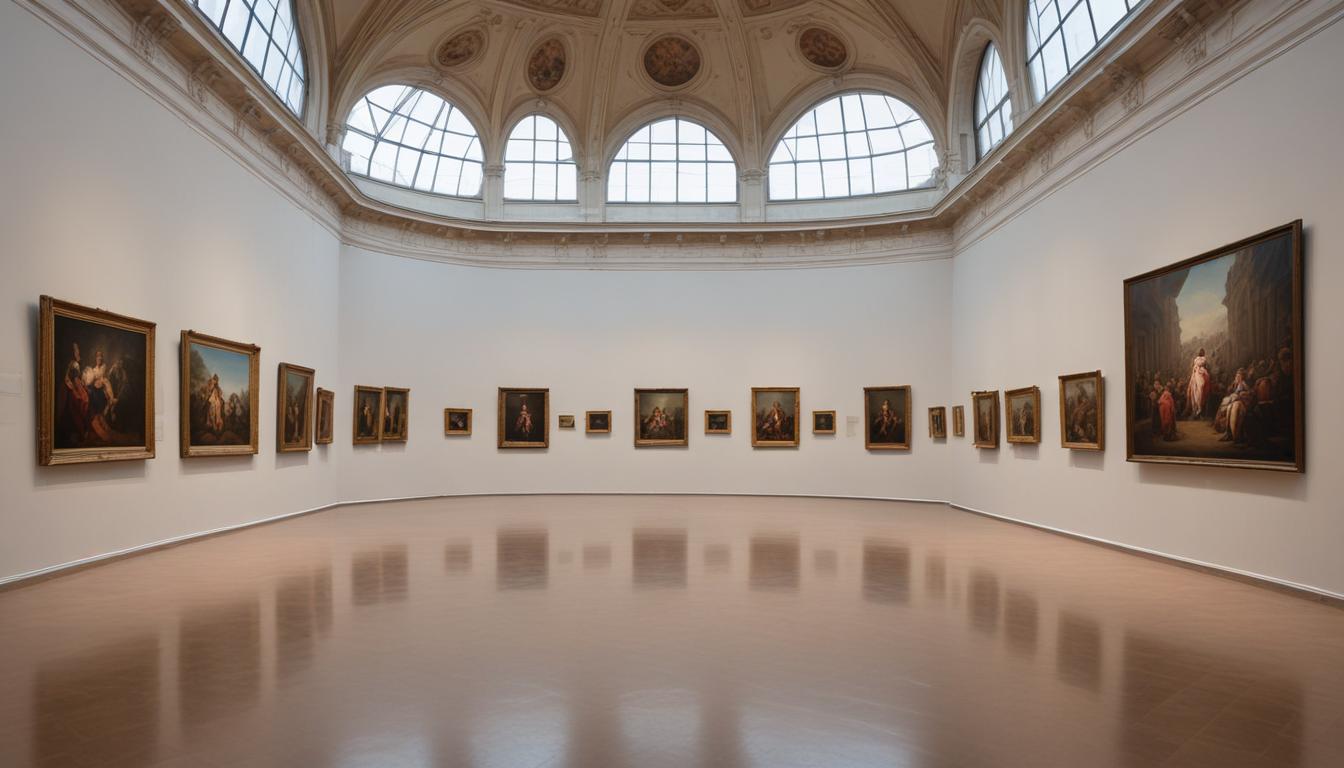
The momentum centres on the Brera district, where the Pinacoteca di Brera recently completed a €12 million renovation of its northern wing, reopening galleries dedicated to 15th-century Venetian works. But it's the ripple effect that's captured local attention. The Castello Sforzesco has launched a summer-long series titled "Beyond Walls," bringing portions of its Renaissance collections into outdoor piazzas across Porta Venezia and Cadorna. The Fondazione Prada, meanwhile, announced an exhibition exploring the relationship between fashion and contemporary painting—a distinctly Milan conversation—running through September.
What's driving the chatter, though, isn't just the exhibitions themselves. It's the tension they're creating. Museum attendance across Milan's major institutions jumped approximately 23% in the first half of 2026 compared to 2025, according to preliminary data from the Assessorato della Cultura. Yet entry fees have risen proportionally. A combined ticket to the Brera and Castello now costs €28—a price point that locals on Reddit's r/Milano have been debating intensely, with regular discussions about whether the city is pricing out its own residents in favour of wealthy tourists.
The Galleria d'Arte Moderna on Via Palestro has attempted to counter this narrative by introducing free evening hours every Thursday, drawing crowds of young professionals and students to their contemporary wings. Whether this initiative will become permanent remains unclear, but it's become symptomatic of a larger debate: can Milan's galleries serve both international prestige and local accessibility?
Cultural institutions are also grappling with representation. Several smaller galleries in the Isola neighbourhood—traditionally overlooked in favour of flagship institutions—have begun hosting collaborative shows featuring migrant artists and diaspora communities. These spaces, often operating on shoestring budgets, are generating the kind of organic enthusiasm that the bigger players are noticing.
For now, Milan's gallery scene is undeniably vital. Whether it remains vital for all Milanesi is the question keeping residents talking.
This article was compiled by AI from the sources linked above and screened before publishing. See our editorial standards.