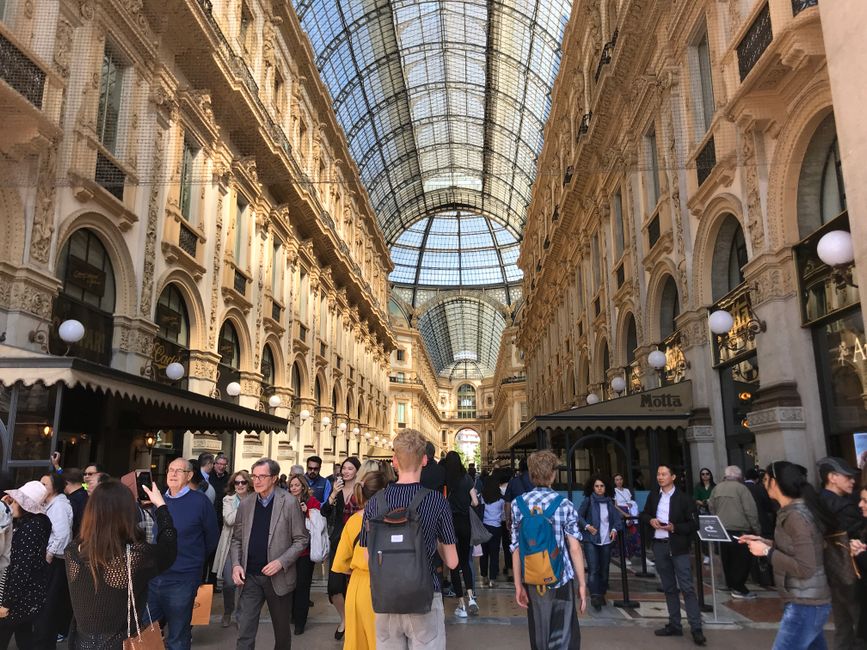
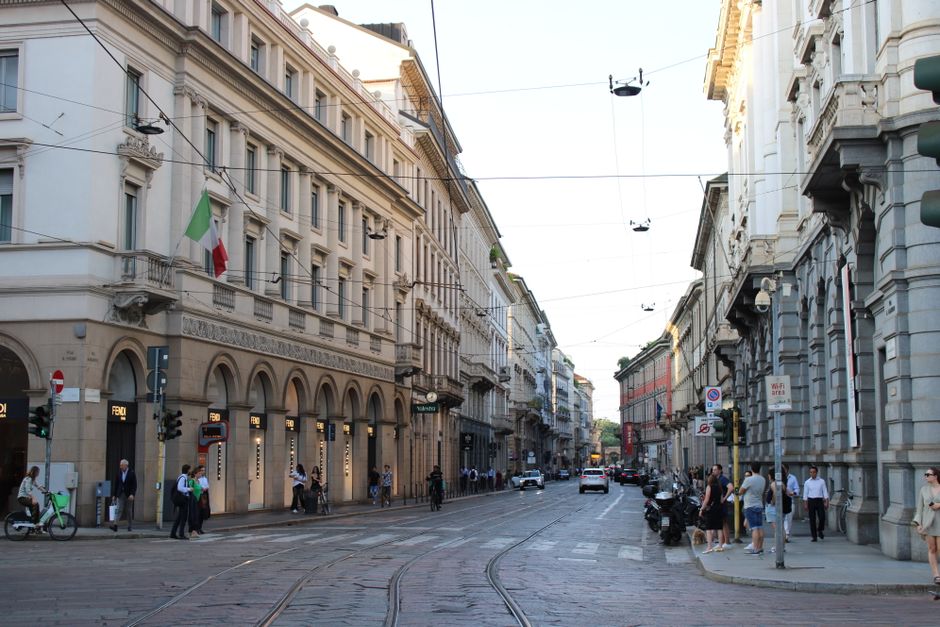
Walk through the Navigli district on any given evening and you'll witness something quietly profound: Milan's creative class congregating not in galleries or concert halls, but around tables laden with hand-rolled pasta and natural wines. This shift isn't coincidental. Over the past three years, the city's restaurant and bar culture has evolved into the primary vehicle through which Milan defines itself—a departure from its historical identity as a fashion and design capital.
The transformation is quantifiable. According to recent data from Milano Food Week organisers, the city now hosts over 2,800 restaurants, with independent and chef-driven establishments growing at nearly 12% annually—double the national average. What's driving this growth isn't tourism infrastructure, but a genuine creative movement rooted in neighbourhood identity.
In Porta Romana, venues like the collaborative kitchen spaces along Via Torino have become incubators for experimental dining. These aren't fine-dining temples; they're working studios where chefs collaborate with visual artists, musicians, and architects on immersive experiences that blur culinary and artistic boundaries. Similarly, the Zona Tortona—once purely industrial—now thrives as a neighbourhood where supper clubs operate alongside design studios, with price points ranging from €25 to €120 per person depending on the collective curating the evening.
The Brera district tells another story. Historic wine bars that once served as neighbourhood fixtures have evolved into intellectual gathering spaces. Places like those clustered around Via Brera itself now function as informal salons where designers, writers, and entrepreneurs debate Milan's cultural direction over aperitivi and charcuterie. The Italian aperitivo tradition—typically €8-15 with complimentary food—has become democratised yet elevated: curated by restaurateurs who treat it as seriously as any plated course.
What distinguishes Milan's food culture renaissance from similar movements in Rome or Bologna is its explicitly interdisciplinary character. The city's design heritage means restaurants increasingly treat space, lighting, and serviceware as collaborative artworks. Navigli's collective dining spaces, where strangers share long tables, represent a deliberate rejection of the individualistic consumption that defined the fashion industry's dominance.
Even the language has shifted. Milanese media now speaks of 'food culture' (cultura culinaria) as fundamental to civic identity—comparable to how Berlin's club scene or Copenhagen's design ecosystem define those cities. This reflects a broader realisation: in 2026, how a city eats reveals more about its creative confidence than what it produces.
Milan's restaurants and bars have become where the city thinks, argues, and imagines itself. That's not gastronomy; that's cultural identity in formation.
This article was compiled by AI from the sources linked above and screened before publishing. See our editorial standards.