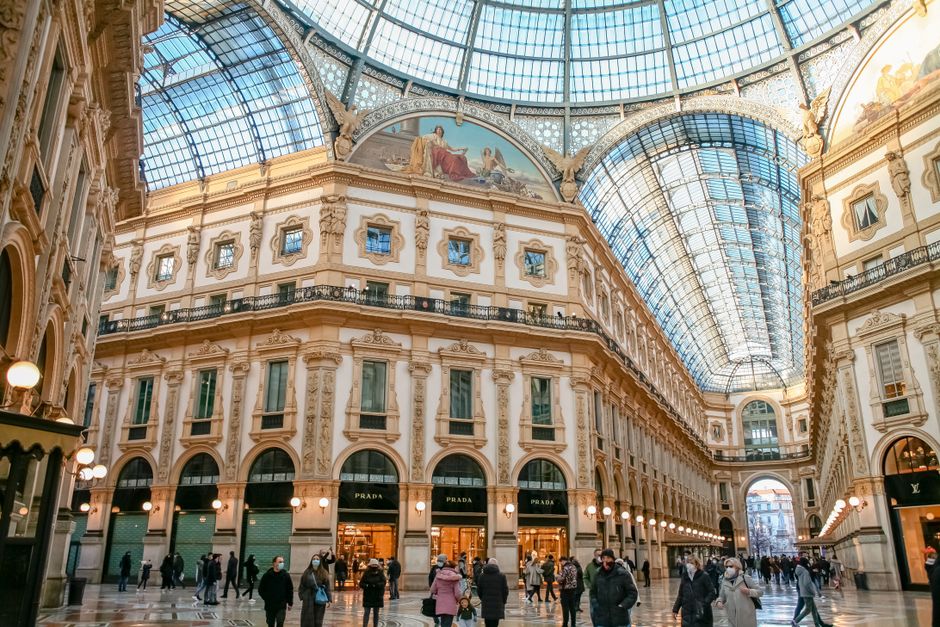
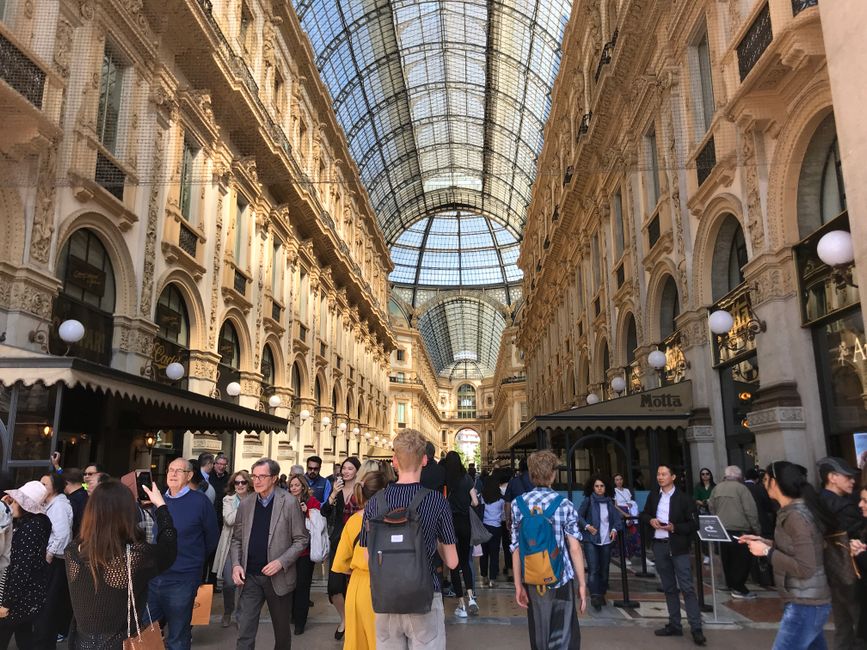
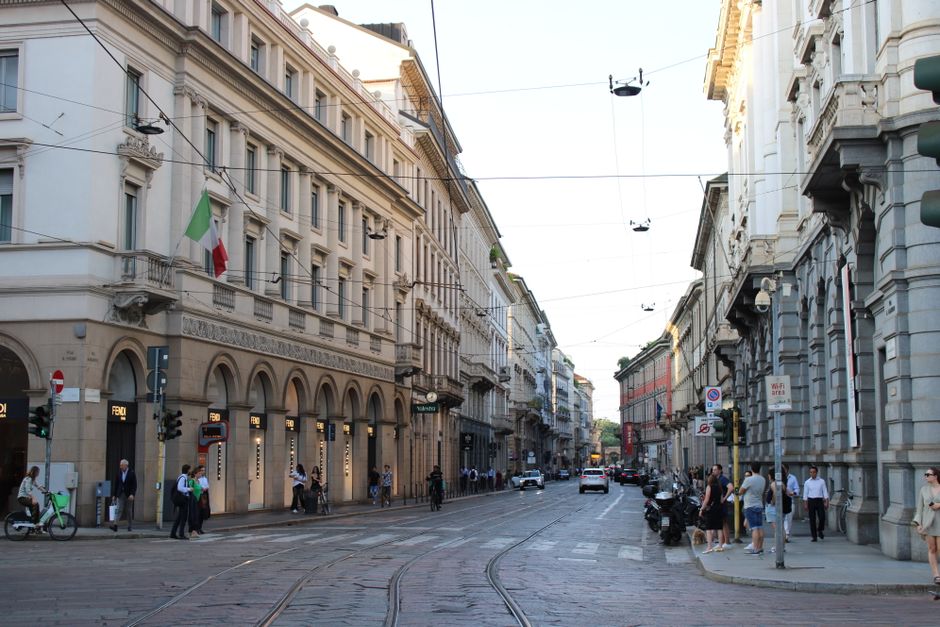
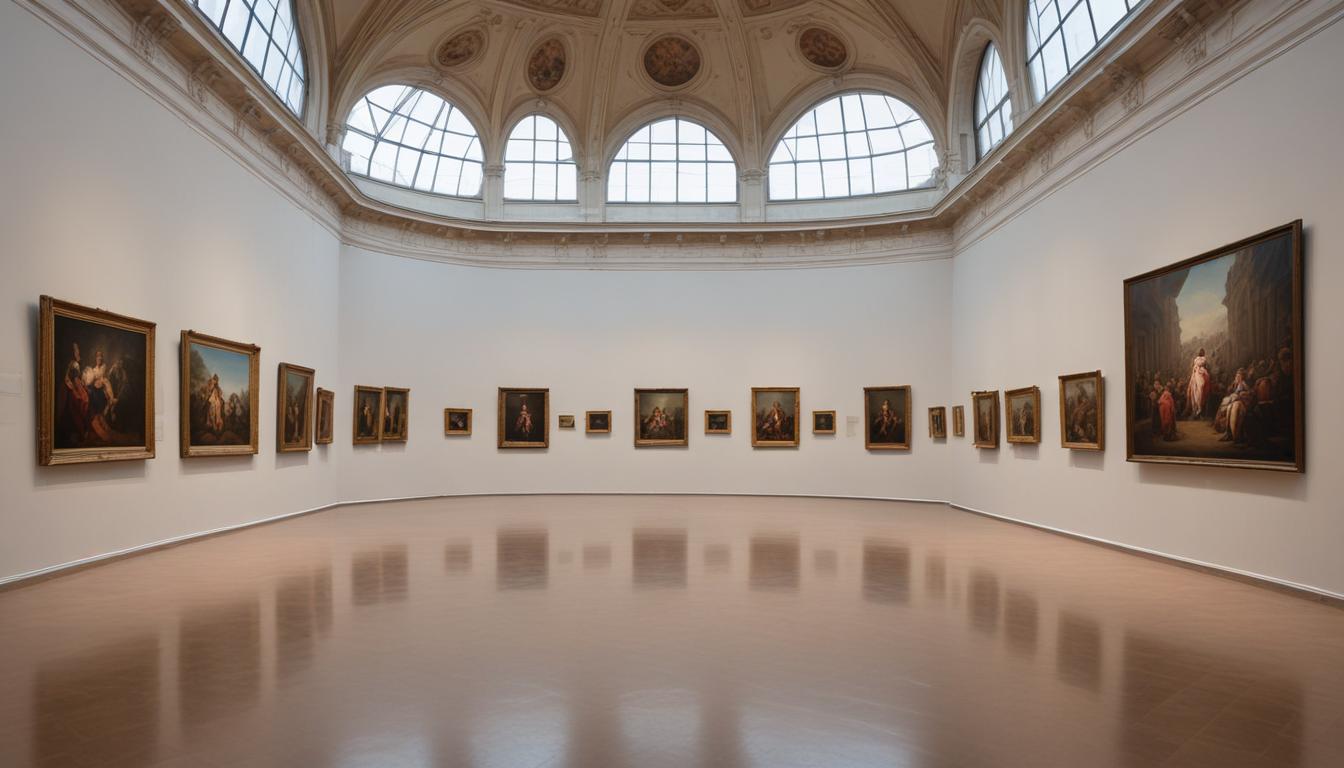
Milan's gallery and museum landscape tells a story of radical democratization. Where once the Pinacoteca di Brera stood as a repository of Old Masters accessible primarily to the educated elite, today's art scene sprawls across multiple neighborhoods, price points, and aesthetic philosophies—a transformation that accelerated dramatically after the 1980s.
The historical core remains potent. The Brera district, centered on Via Brera itself, housed Milan's first true public gallery when the Pinacoteca opened in 1809. For nearly two centuries, it remained the arbiter of taste. But by the 1990s, as contemporary art gained cultural legitimacy, Milan's gallery ecosystem expanded radically. The Zona Tortona emerged as an alternative hub—former industrial spaces converted into experimental galleries, design showrooms, and artist collectives. Today, the transformation is nearly complete: during the city's famous Fuori Salone design week each April, the district hosts over 400 events across galleries, studios, and pop-up spaces.
The economics tell their own story. In 2000, Milan housed approximately 80 commercial galleries. Current estimates place that figure above 250, with annual art fair revenues exceeding €180 million. Yet democratization matters more than proliferation. The Fondazione Prada opened in Largo Isarco in 2015—a privatized space, yes, but one that charged no admission. Similarly, the Pirelli HangarBicocca, housed in a converted railway workshop in the industrial north, presents ambitious exhibitions free to the public.
Neighborhood gentrification has reshaped the landscape visibly. The Navigli district, long associated with bohemian culture and working-class residents, now hosts gallery clusters like those around Via Magolfa. Prices have climbed accordingly. What cost €400,000 per square meter in 2005 now reaches €8,000-€10,000—partly driven by cultural institutions that serve as neighborhood anchors and investment signals.
Yet the democratization impulse persists. Milan's municipal galleries—the Gallerie d'Italia and GAM (Galleria d'Arte Moderna)—maintain modest admission fees (€10-€15). Online ticketing and digital collections have expanded access further. The city's art schools and artist-run collectives continue multiplying, particularly in peripheral zones like Bovisa and Isola.
What emerges is neither pure democratization nor pure commodification, but productive tension. Milan's gallery scene evolved from Enlightenment aspirations toward encyclopedic knowledge into something messier and more vital: a contested space where prestige and access, commerce and experimentation, coexist. That friction—between the Brera's hushed reverence and Tortona's industrial rawness—now defines the city's cultural identity.
This article was compiled by AI from the sources linked above and screened before publishing. See our editorial standards.