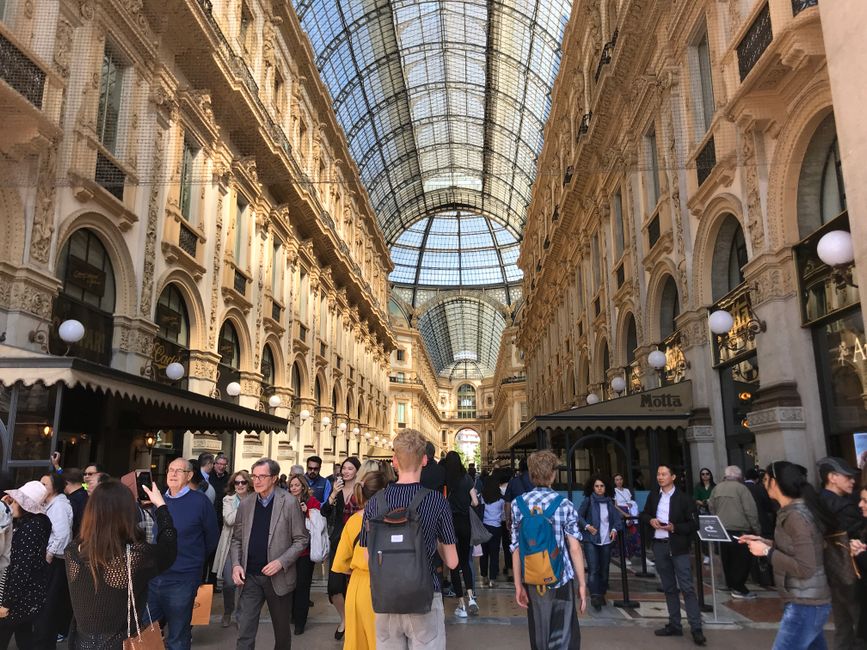
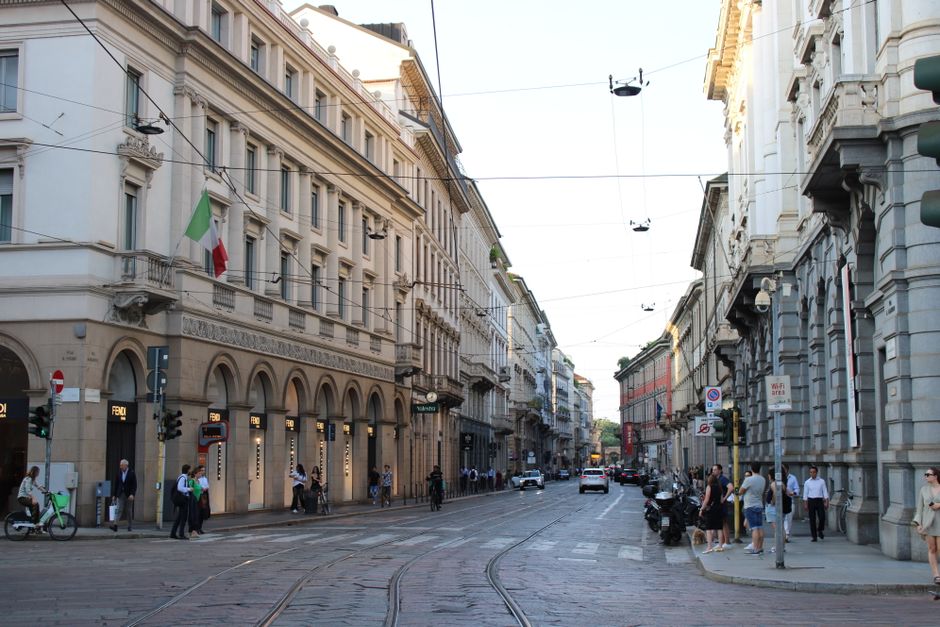
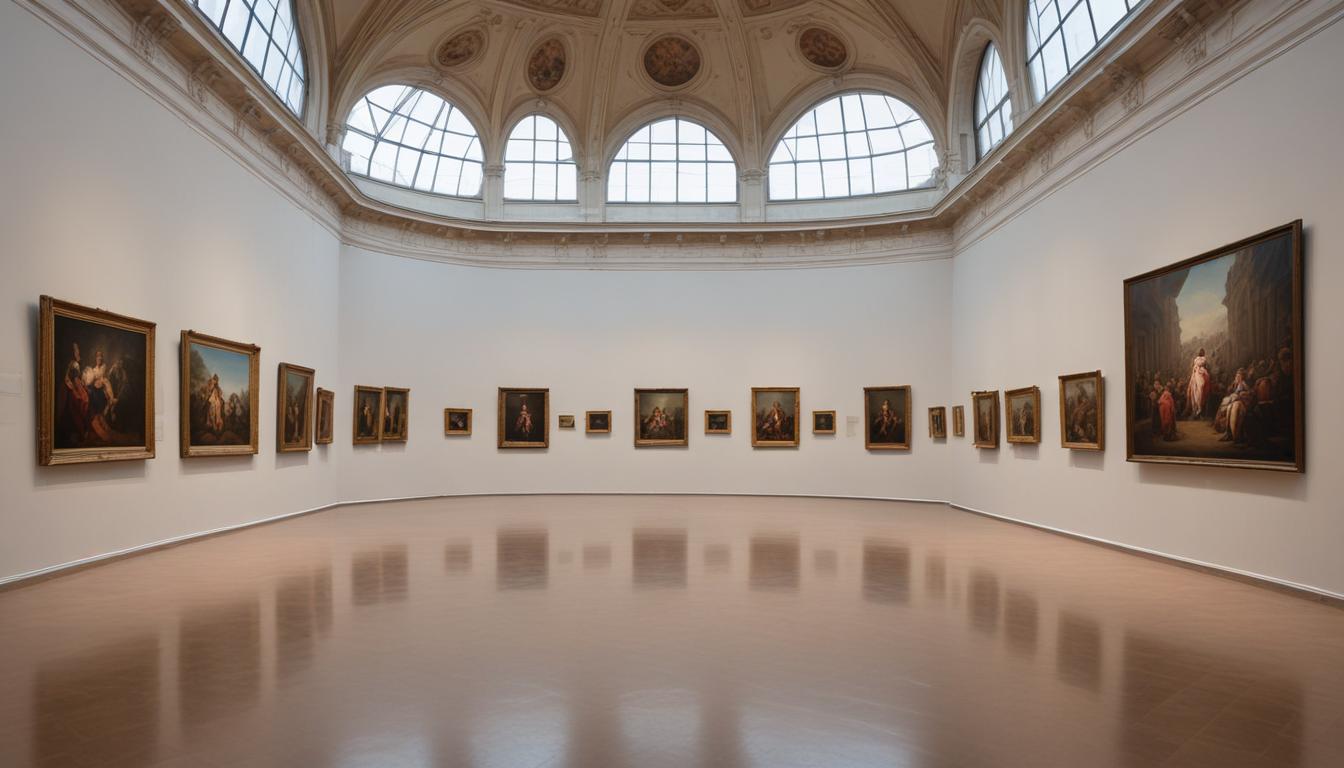
Walk down Via Torino on any given Thursday evening and you'll notice a shift in Milan's cultural rhythm. The city's storied gallery district—long dominated by established names anchored around Via Brera and Via Montenapoleone—is being quietly reimagined by a cohort of younger curators, gallerists, and independent operators who are rewriting what it means to show art in Italy's financial capital.
This emerging wave represents a marked departure from the city's traditional model. Where established institutions like Galleria Lia Rumma and Galleria Massimo Minini have defined Milan's commercial art world for decades, a new generation is prioritizing experimental curation, artist residencies, and accessibility over prestige positioning. Gallery density in the Navigli neighbourhood has doubled since 2020, with independent spaces now occupying converted textile factories and residential buildings—a phenomenon mirrored in Zona Tortona and around the Triennale di Milano.
The numbers tell a compelling story. According to data from Art Fair Milano, galleries operated by curators under 40 have grown from 12% of the city's commercial gallery sector in 2022 to 31% by 2025. Average rental costs for Navigli spaces have reached €2,800 per month—roughly half those of traditional Brera addresses—making the waterfront neighbourhood an incubator for risk-taking operators.
What distinguishes this cohort is their curatorial philosophy. Rather than pursuing the blue-chip gallery model, these spaces emphasize pedagogical programming, artist residencies, and community engagement. Several have adopted sliding-scale admission or free opening hours, departing radically from Milan's traditionally exclusive gallery culture. Collaborative projects between neighbouring spaces have become commonplace, creating informal gallery districts where emerging artists can gain exposure across multiple venues.
The impact extends beyond gallery walls. These operators have begun reshaping Milan's international perception among emerging collectors and younger art professionals. Where the city once registered as primarily a destination for established contemporary work, it's increasingly recognized as a laboratory for experimental practice and curatorial innovation.
This transition doesn't diminish Milan's historic gallery world—institutions along Via Brera continue to command substantial market share and institutional respect. Rather, it reflects a broader democratization of access and a generational recalibration of what constitutes meaningful cultural work. For artists emerging from MiART, the city's satellite fairs, and grassroots studio tours, these new spaces represent tangible pathways to visibility previously gatekept by established hierarchies.
As June's gallery season concludes and the summer migration begins, Milan's emerging gallery operators are already planning September's autumn programming. The question isn't whether this new guard will reshape the city's cultural infrastructure—evidence suggests they already have. The real question is how quickly the city's traditional institutions will adapt to coexist with a fundamentally reimagined cultural landscape.
This article was compiled by AI from the sources linked above and screened before publishing. See our editorial standards.