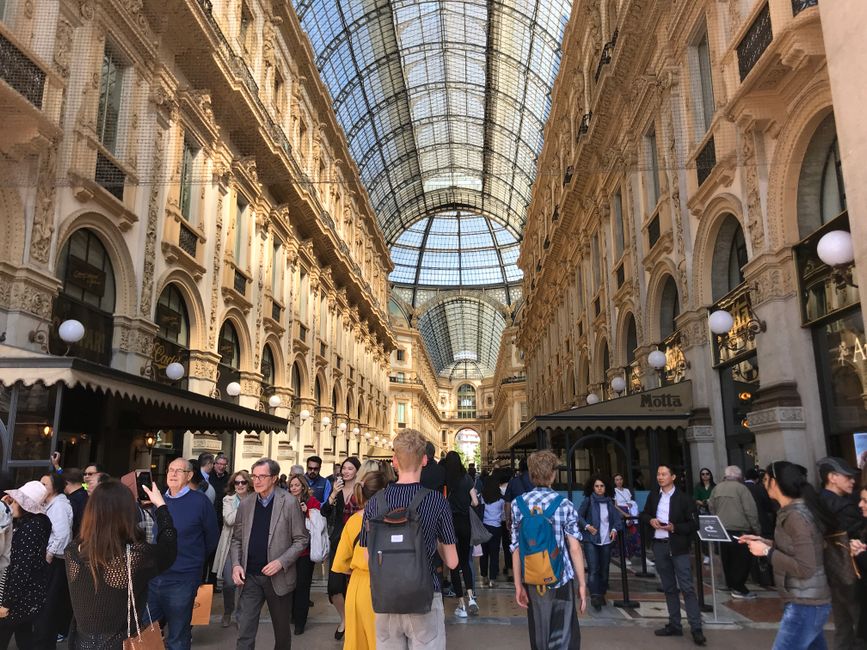
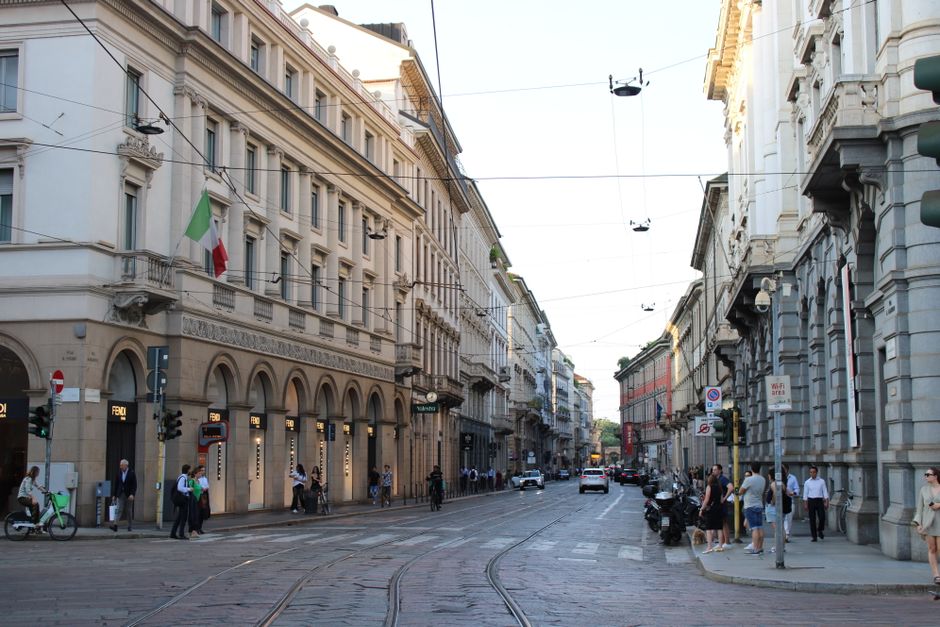
Walk down Via Dante on any given evening, and you'll encounter queues outside La Scala that rival those at the Duomo. But Milan's theatre renaissance extends far beyond opera's marble temples. Across neighbourhoods like Isola, Porta Venezia, and the up-and-coming Gallaratese district, a constellation of smaller venues and independent companies are fundamentally rewriting what it means to be a cultural Milanese.
The numbers tell part of the story. Annual attendance at Milan's theatres and performing arts venues has climbed to approximately 1.2 million visits, according to recent cultural economy reports. Yet beyond the aggregate, there's a qualitative shift happening. Where Milan was once globally perceived primarily as a fashion and design capital—Montenapoleone's boutiques and the Fuori Salone during Milan Design Week—the city is increasingly recognized as a laboratory for innovative performance and theatrical expression.
Teatro Franco Parenti in Porta Venezia exemplifies this shift. Once a regional player, it now attracts international touring productions and commissions original work that addresses contemporary European anxieties. Similarly, the Elfo Puccini in the northern reaches has become a production powerhouse, developing relationships with creators across the continent. These aren't passive repositories of classical repertoire; they're generative spaces actively shaping discourse.
Smaller collectives matter equally. Venues like Cascina Gardens in the Navigli district and experimental studios sprinkled through Isola—where rents remain negotiable compared to central locations—have become incubators for performance artists, choreographers, and interdisciplinary creators. The average ticket price of €18-25 for independent productions keeps performances accessible to younger audiences, cultivating what could become Milan's next cohort of cultural decision-makers.
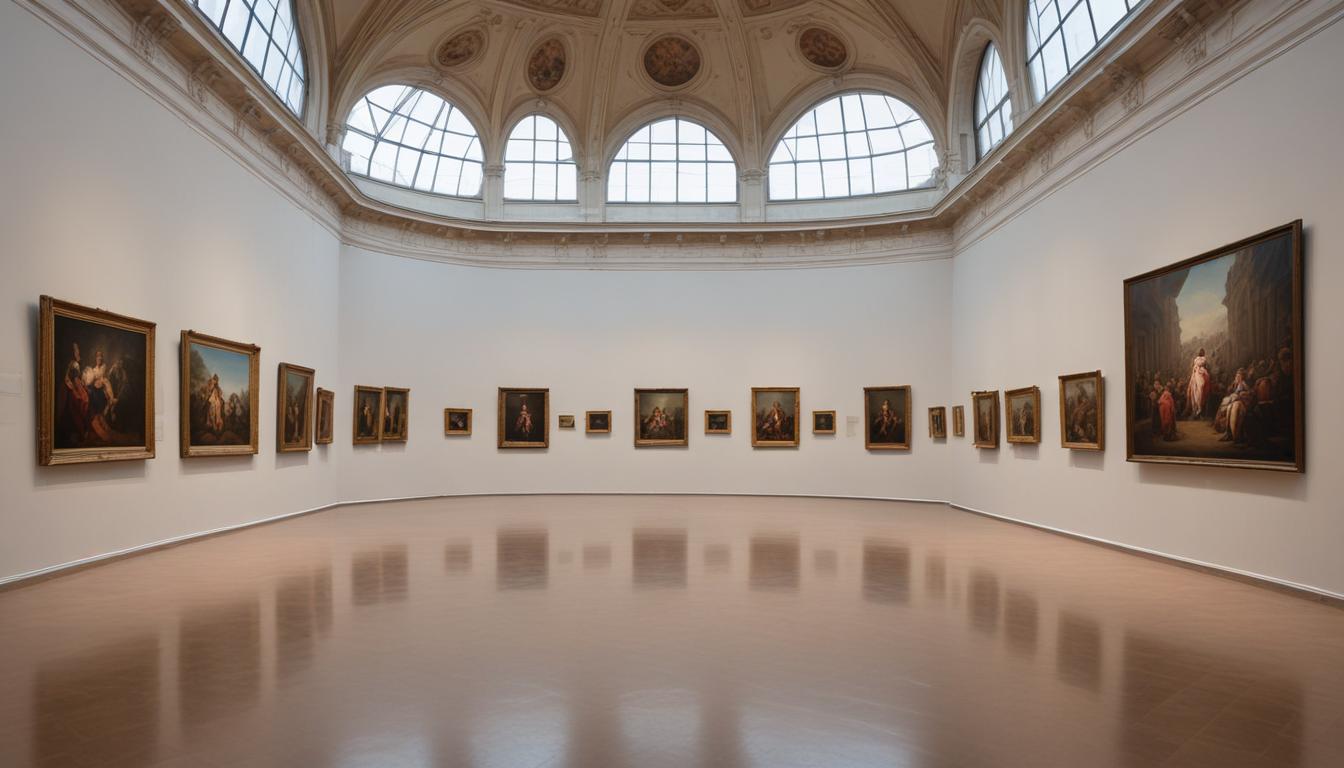
This performing arts boom reflects a deliberate municipal strategy. The Milan Culture Department has increased arts funding by roughly 8 percent annually over the past five years, while private foundations like Fondazione Cariplo have prioritized theatre and dance initiatives. The city's reputation now extends beyond static objects—the Pinacoteca, the Castello—into dynamic human expression.
Perhaps most tellingly, international companies now view Milan as essential to European touring circuits, not merely as a wealthy pit stop. This positions the city within a different conversation: one about creative production rather than consumption, about ideas rather than commodities. For a metropolis that built its twentieth-century identity on what could be made and sold, the twenty-first-century shift toward what can be performed, experienced, and discussed marks a profound identity recalibration.
Milan's theatres aren't defining the city's creative identity by accident. They're doing so because the city has finally recognized that culture means presence—the presence of living artists, breathing audiences, and the conversations that happen in the dark.
This article was compiled by AI from the sources linked above and screened before publishing. See our editorial standards.