The Visionaries Who Built Brera: How a Handful of Artists Transformed Milan's Bohemian Quarter
From 18th-century academicians to post-war rebels, the people behind Brera's cultural identity reveal how neighbourhoods become landmarks.
From 18th-century academicians to post-war rebels, the people behind Brera's cultural identity reveal how neighbourhoods become landmarks.
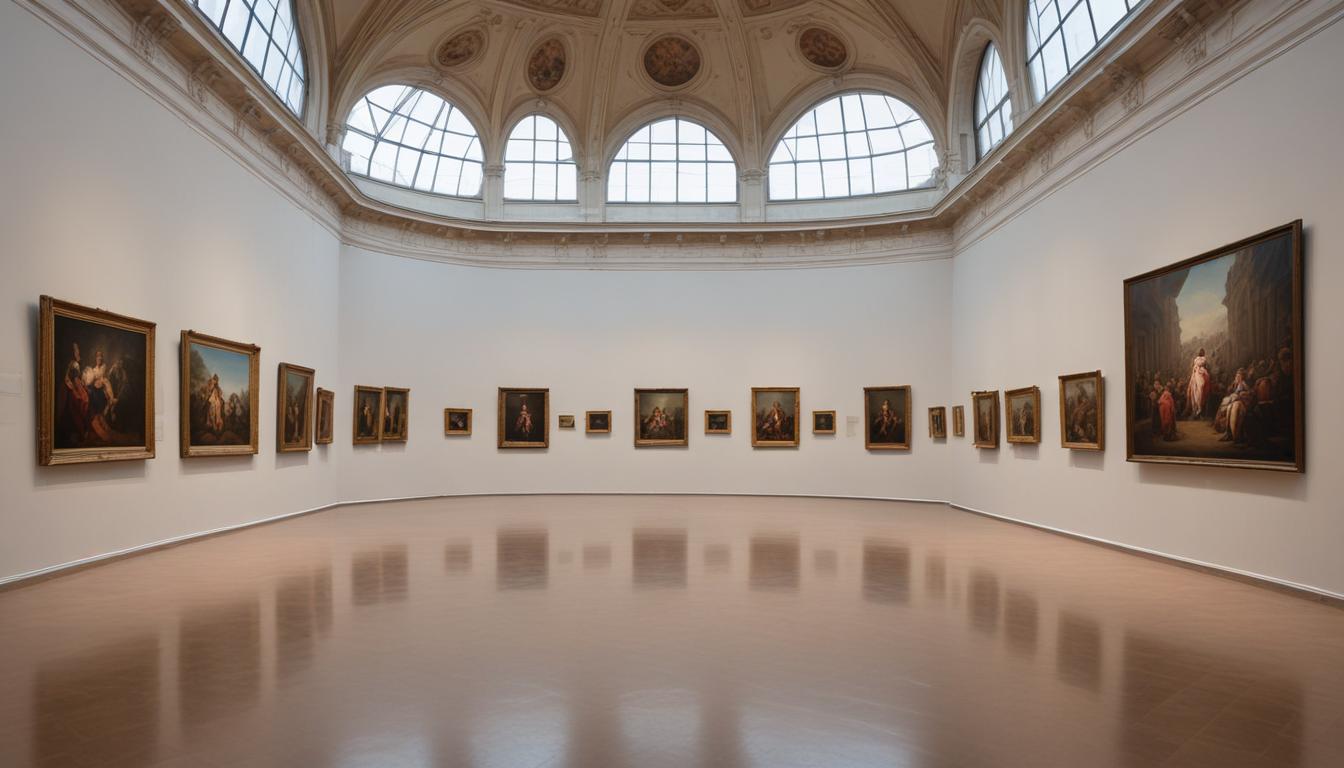
Walk through Brera today and you encounter a carefully curated narrative: the prestigious Pinacoteca, the narrow cobblestone streets lined with galleries, the aperitivo crowds spilling onto Via Brera itself. Yet this identity didn't emerge organically. It was built by specific people, with specific visions, often against considerable resistance.
The story begins in 1776, when Maria Theresa of Austria established the Accademia di Belle Arti in what had been a Jesuit college. This wasn't a benevolent cultural gift—it was infrastructure, a statement of enlightened governance. But it was the academy's early directors, particularly painter Giuseppe Bossi, who understood something crucial: an institution needs a neighbourhood to breathe. They cultivated relationships with local artisans, set loose their students to sketch in the squares, and gradually established Brera as a destination for those serious about art.
The real transformation, however, came after 1945. Milan lay in rubble. The city needed rebirth, and a generation of artists—many of them associated with the Movimento Arte Concreta (MAC)—saw Brera as salvageable, intimate, European in scale. Figures like Lucio Fontana and Enrico Castellani didn't just paint; they opened studios, invited critics, created a scene. By the 1950s, small galleries began clustering along Via Brera and the surrounding streets. What had been working-class housing became studio space, then gallery space.
The economics matter. A 2024 study by the Milan Chamber of Commerce noted that Brera now hosts over 40 galleries and attracts approximately 2 million annual visitors. Yet this success almost destroyed what made it special. By the 1990s, gentrification threatened to sterilise the neighbourhood entirely—luxury boutiques replacing artist studios, Instagram aesthetics replacing authentic creative work.
The people who fought back were often overlooked figures: gallery owners like those at Galleria Michela Rizzo who championed emerging artists when rents soared; residents' associations that successfully campaigned to preserve studio spaces; younger artists who chose to stay despite pressure to relocate east to Porta Romana or south to the Navigli.
Today, Brera exists in tension. It remains a cultural heavyweight—the Pinacoteca attracts 600,000 visitors annually—but its identity is increasingly curated for external consumption. The real story isn't the present-day scene. It's the people, across centuries, who chose to stake their creative futures on these particular streets, transforming a neighbourhood through conviction rather than capital.
This article was compiled by AI from the sources linked above and screened before publishing. See our editorial standards.
How does this story make you feel?
Spread the word
About this article
Published by The Daily Milan
Daily brief
Free, in your inbox before 7am. Weekdays.
More in culture