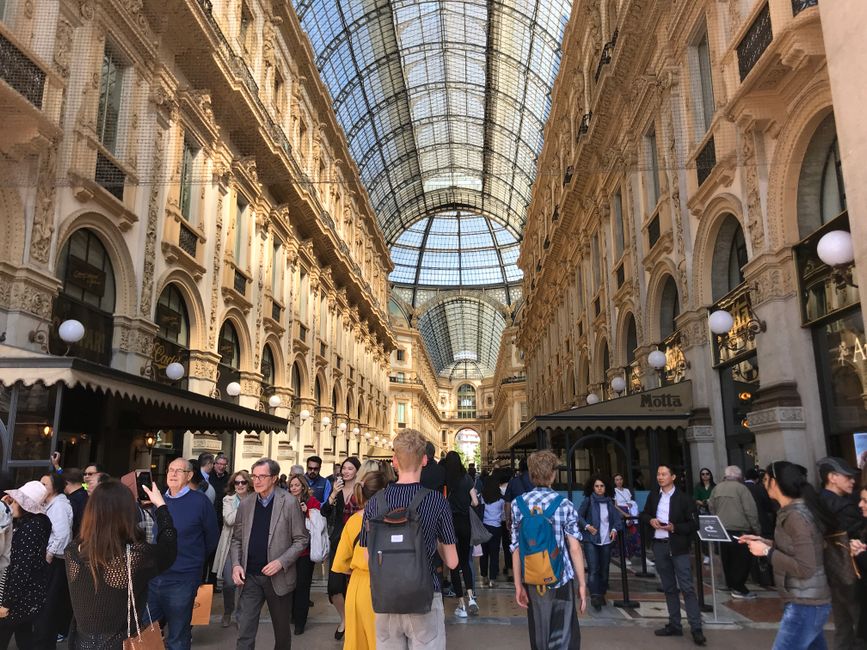
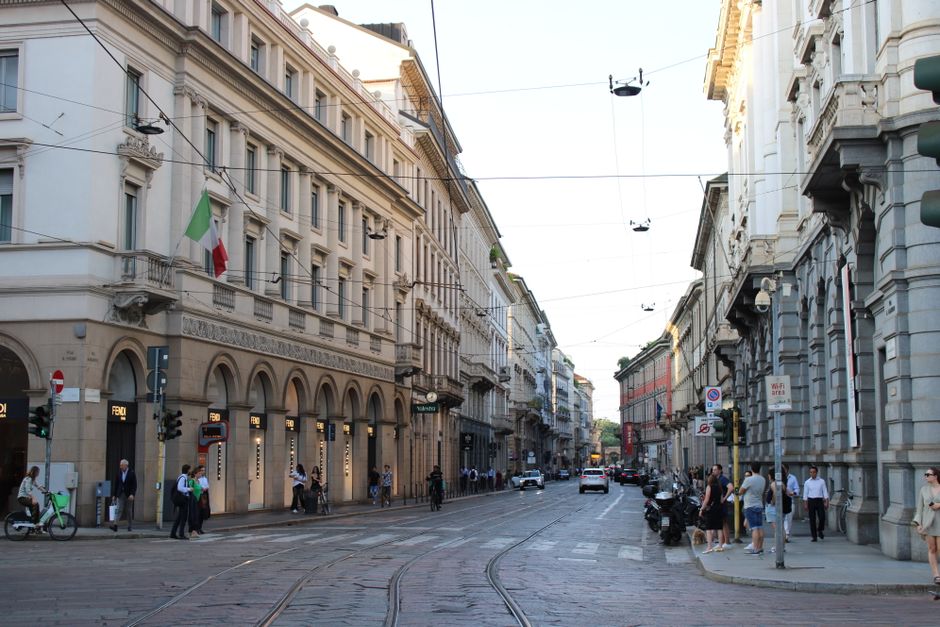
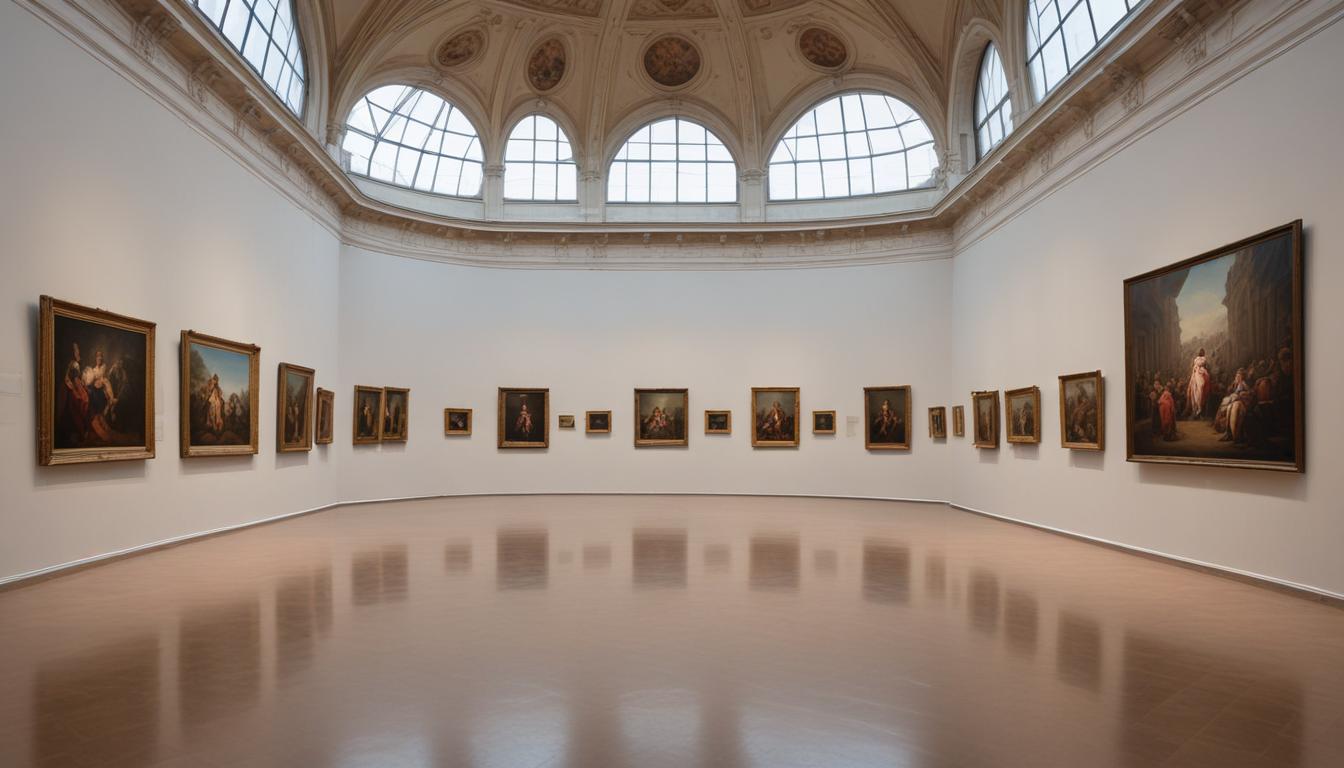
Walk through the narrow streets of Brera on any given evening, and you'll find Milan's cultural establishment in a state of productive chaos. Galleries that have anchored the neighbourhood for decades are closing, younger spaces are experimenting with radical new models, and the Pinacoteca di Brera—one of Italy's most prestigious institutions—has just announced an €18 million renovation that will fundamentally alter how visitors experience centuries of masterworks.
The tension simmering beneath the surface is real. Property values in Brera have surged roughly 40% over the past five years, pricing out mid-sized galleries that once defined the district's creative character. At the same time, emerging artists and curators are increasingly moving to cheaper neighbourhoods like Lambrate and Porta Romana, where warehouse spaces and lower overheads are fuelling experimental shows and unconventional collaborations that older institutions struggle to match.
"This isn't gentrification followed by cultural preservation," says the gallery community quietly. "It's gentrification that's actually fragmenting where culture happens." The Pinacoteca's expansion—set to reopen sections by early 2027—promises state-of-the-art climate control and accessibility, but locals worry about what gets lost when a 200-year-old institution prioritises institutional grandeur over neighbourhood intimacy.
Meanwhile, smaller galleries on Via Brera and Via Fiori Chiari are adapting in visible ways. Some are collaborating on group shows to share costs. Others are pivoting toward digital-first programming and pop-up events, testing whether ephemeral experiences can survive where permanent gallery leases cannot. The Fondazione Stelline, a few blocks south, has quietly become a gathering point for artists seeking affordable wall space and curatorial flexibility.
Lambrate tells a different story. What was industrial wasteland five years ago now hosts the city's most talked-about emerging galleries: spaces like Galleria Anna Marra and smaller collectives operating from converted factories. Foot traffic here has exploded, especially among under-35s priced out of Brera entirely. June's opening season saw over forty new or relocated galleries activate the neighbourhood's wider streets and courtyards.
The Museum of the Twentieth Century, tucked into the Castello Sforzesco, remains the quiet anchor—free entry on certain evenings, drawing crowds that rival commercial galleries. Its permanent collection still commands reverence, even as the institutional conversation shifts elsewhere.
What Milanesi are actually discussing isn't whether culture is thriving—it clearly is—but where the energy is flowing, who gets to participate, and whether a city can preserve artistic identity while reimagining its geography. The next eighteen months will define the answer.
This article was compiled by AI from the sources linked above and screened before publishing. See our editorial standards.