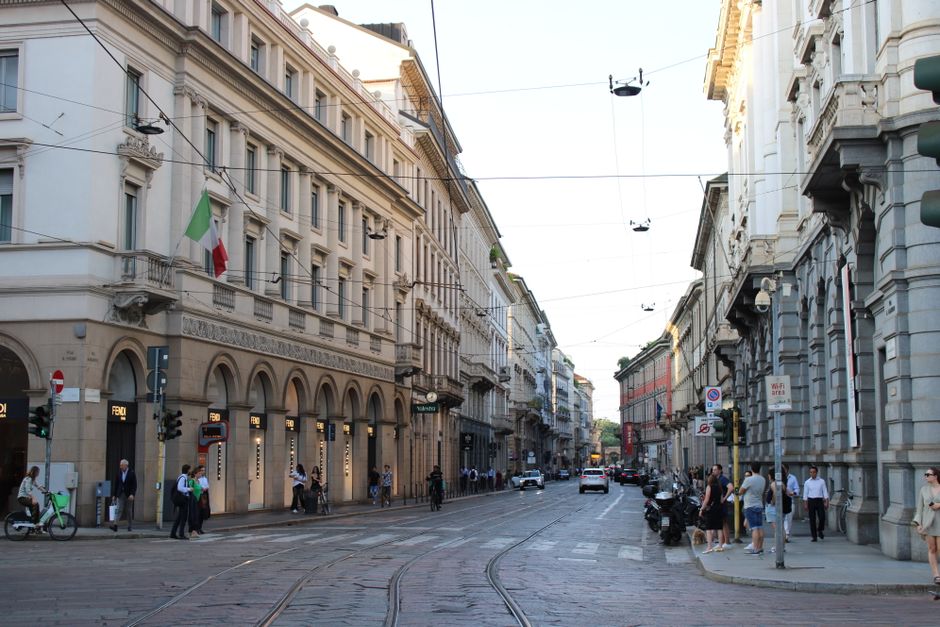
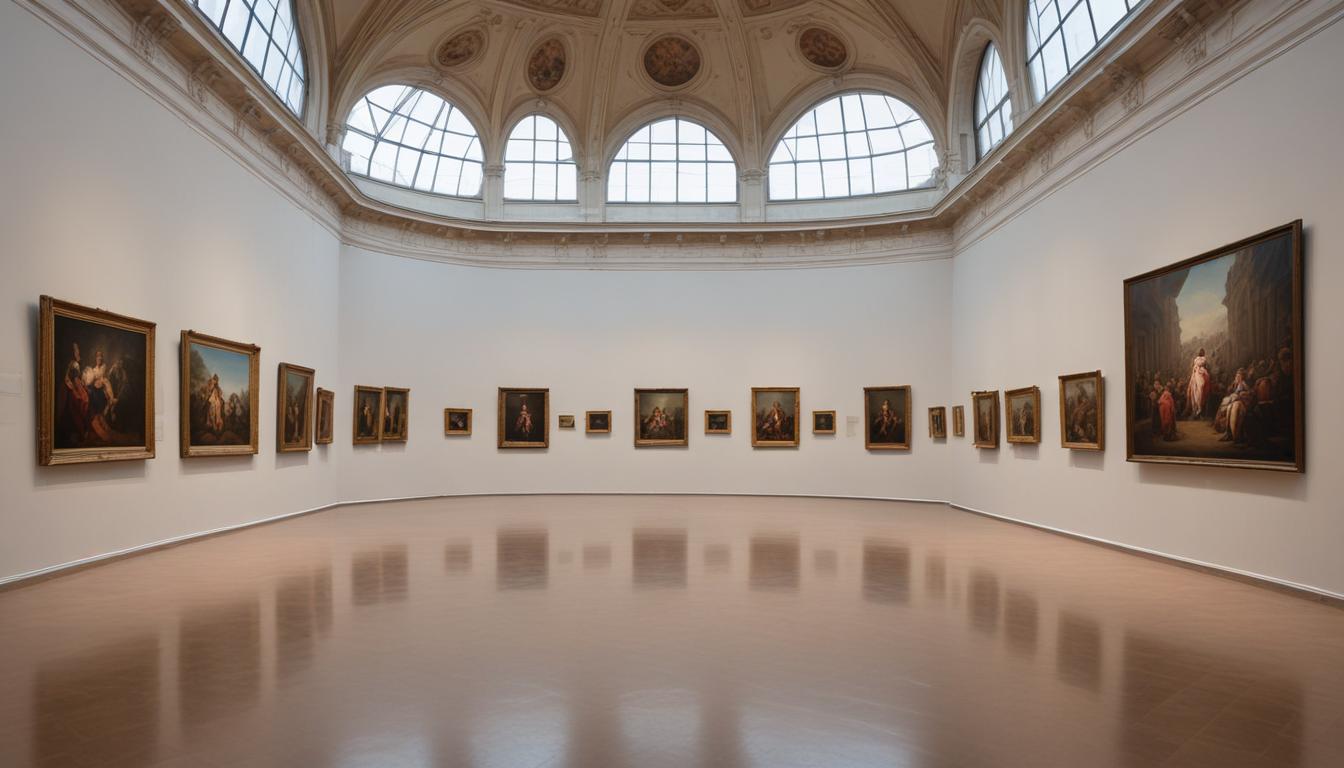
Walk through the Navigli district on any given weekend this July, and you'll encounter something Milan's fashion establishment never quite advertised: a city reimagining itself as a laboratory for contemporary culture. The proliferation of festivals and events dotting the calendar—more than 280 registered cultural events across the city between June and September alone—signals a fundamental shift in how Milan understands its own creative DNA.
For decades, Milan's identity was singular and monolithic: fashion capital. Yet the past three years have seen a deliberate, grassroots effort to fracture that narrative. The Orgatec Milano design week, traditionally corporate-focused, now devotes entire wings to independent creators and sustainability collectives. Zona Tortona, the former industrial neighbourhood northwest of the Duomo, has become a hotbed for digital art and immersive installations, hosting over forty exhibition spaces that draw 300,000 visitors annually during the summer season.
What makes this cultural reorientation particularly striking is its geographic democracy. Rather than concentrating prestige events in the golden Quadrilatero d'Oro shopping district, Milan's festivals are deliberately distributed. The Fuorisalone (off-schedule design shows) now sprawl across Brera, Navigli, and Lambrate—neighbourhoods that twenty years ago would never have competed for cultural cachet. A single ticket to the Milano Design Week satellite events costs €15, far more accessible than VIP fashion show access.
The Isola neighbourhood exemplifies this transformation. Once a neglected inner-city zone, it now hosts the Isola Design District festival each June, featuring 80+ galleries and independent design studios. Local data shows foot traffic in the area increased 160% year-on-year since 2023, with creative businesses opening at nearly triple the city average.
Music and performance festivals reinforce this identity. The Frecciarossa Summer Festival at the Centrale Monumental space (capacity 2,500) programming everything from ambient electronica to experimental theatre, contrasts sharply with the stadium-scale concerts that once defined Milan's live music scene. Smaller venues like Franco Parenti theatre in Brera are experiencing unprecedented demand, hosting experimental performance collective residencies that blur theatre, dance, and visual art.
Local cultural administrators frame this explicitly: Milan is positioning itself not just as a place where creative work is consumed or presented, but where it is rigorously tested and reimagined. The city's festival ecology—now estimated to generate €240 million in annual cultural spending—reflects this new ambition.
The message is clear. Milan still makes beautiful things. Now, it insists on making things that matter.
This article was compiled by AI from the sources linked above and screened before publishing. See our editorial standards.