Milan's Next Wave: Where Emerging Artists Are Rewriting the City's Live Music Script
From intimate Navigli venues to sprawling Lambrate warehouses, a new generation of performers is reshaping how Milan experiences live entertainment.
From intimate Navigli venues to sprawling Lambrate warehouses, a new generation of performers is reshaping how Milan experiences live entertainment.
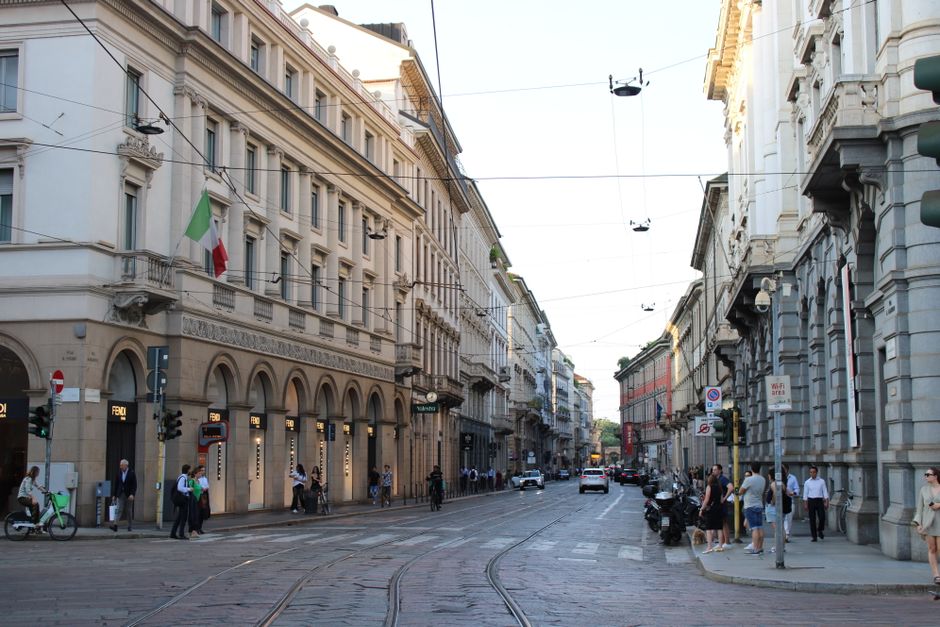
Walk down Via Torino on a Friday night and you'll hear it—the unmistakable hum of Milan's underground music scene shifting beneath the city's gleaming surface. While the Duomo's shadow still looms over the mainstream concert circuit, a constellation of emerging artists is quietly claiming territory in the smaller clubs and alternative spaces that have become the real heartbeat of the city's live entertainment culture.
The numbers tell part of the story. According to recent data from the Milan Chamber of Commerce, smaller venues under 500 capacity have increased their programming by 34% over the past eighteen months, with emerging and independent artists accounting for nearly 60% of shows. That's a significant shift from five years ago, when established acts dominated the calendar.
The Navigli district remains crucial to this ecosystem. Venues like Scena Verticale and Arci Bellezza continue to function as laboratories for experimental electronic producers and indie-folk acts testing new material before moving to larger stages. But the real energy now radiates eastward. Lambrate's warehouse spaces—particularly around the Via Gian Giacomo Mora corridor—have become incubators for post-punk and art-rock collectives that would struggle to find slots in traditional venues. Entry prices hover between €10-15, a deliberate strategy to build loyal audiences rather than chase tourist revenue.
What distinguishes this current wave is its deliberate internationalism. Unlike previous generations of Milanese musicians who looked primarily toward Rome or Bologna for validation, today's emerging voices are simultaneously building followings across Berlin, London, and Brussels through streaming and social networks. A 26-year-old synth-pop artist from the Monforte neighbourhood might premiere a track in Stockholm before playing her hometown, creating an unusual dynamic where local venues compete for artists already gaining traction elsewhere.
The organisational infrastructure has matured too. Collectives like Electropark and independent promoters working from Ortica are developing artist development programs—not quite record labels in the traditional sense, but networks offering rehearsal space, production mentorship, and curated show opportunities. This professionalisation has raised performance quality while maintaining the scrappy, experimental ethos that made these spaces necessary in the first place.
The challenge, naturally, is sustainability. Rising rents in traditionally bohemian neighbourhoods continue to squeeze smaller venues. Yet the emergence of pop-up concert series in unexpected spaces—galleries, bookshops, converted industrial sites—suggests Milan's creative class has become nimble enough to adapt. The next wave isn't waiting for permission. It's building its own stages, one intimate show at a time.
This article was compiled by AI from the sources linked above and screened before publishing. See our editorial standards.
How does this story make you feel?
Spread the word
About this article
Published by The Daily Milan
Daily brief
Free, in your inbox before 7am. Weekdays.
More in culture