Milan's Food Scene in 2026: Your Complete Guide to the Best Local Experiences Right Now
From hidden aperitivo spots in Navigli to Michelin-starred kitchens reimagining tradition, here's where Milan's culinary culture is truly thriving this summer.
From hidden aperitivo spots in Navigli to Michelin-starred kitchens reimagining tradition, here's where Milan's culinary culture is truly thriving this summer.
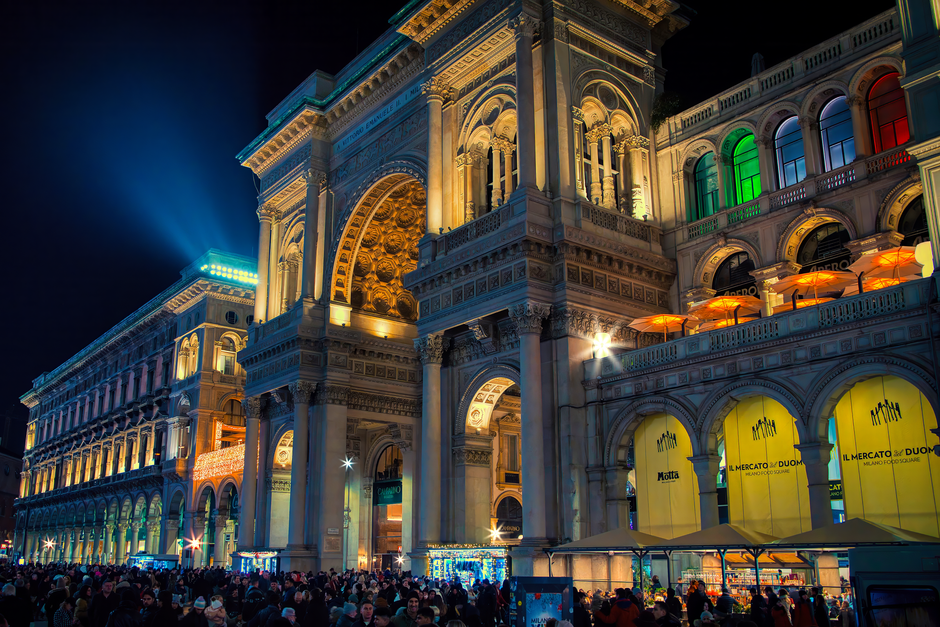
Milan's restaurant and bar landscape has undergone a subtle but significant transformation over the past eighteen months. While the city remains synonymous with fine dining—boasting fourteen Michelin-starred establishments as of this year—the real energy is increasingly concentrated in neighbourhood-driven venues where locals actually spend their evenings.
Start in Navigli, where the canal-side promenades now host a deliberately curated mix of wine bars and osterie. The district has shed its student-bar reputation; establishments here now focus on natural wines and seasonal small plates, with price points hovering around €18-28 per person for a proper aperitivo experience. Via Casale emerges as particularly worth exploring, hosting three excellent spots within a five-minute walk of each other.
The Isola neighbourhood continues its rise as Milan's most dynamically creative quarter. Here, independent restaurateurs—many trained in Copenhagen or Barcelona before returning to Milan—are experimenting with ingredient-forward cooking that respects Lombard traditions without genuflecting to them. Expect to spend €35-55 per head at dinner, substantially less than the Duomo-adjacent establishments, with equal or superior quality.
For those chasing Michelin stars, the current moment favours restaurants pushing beyond the classical French-Italian framework. The city's three-star establishments remain exceptional but increasingly competitive; booking windows have compressed to three weeks in advance. Mid-range Michelin-starred venues (one or two stars) now represent genuinely accessible luxury, with tasting menus between €65-120.
Cocktail culture has matured considerably. Brera and Porta Venezia host bars where bartenders work with Italian spirits and local producers rather than pursuing international trends. Many have shifted toward lower-alcohol aperitivo formats, reflecting broader Mediterranean drinking patterns.
A critical development: the aperitivo hour (typically 18:00-20:00) has become Milan's most culturally significant dining moment. Unlike tourist-facing versions elsewhere, the genuine Milanese aperitivo involves standing at the bar with an €8-12 drink and a curated selection of accompaniments—not unlimited buffets. This ritual concentration makes early evening the optimal time to experience how Milanese people actually eat and socialise.
Neighbourhood recommendations: beyond Navigli and Isola, explore Porta Romana for established fine dining, Greco for emerging talent, and the Garibaldi district's evolving roster of casual neighbourhood spots. Eastern Milan—previously overlooked—now hosts several venues worth the journey.
The unifying thread across Milan's current food culture: authenticity without nostalgia, ambition without pretension, and a city confidently cooking for itself rather than performing for visitors.
This article was compiled by AI from the sources linked above and screened before publishing. See our editorial standards.
How does this story make you feel?
Spread the word
About this article
Published by The Daily Milan
Daily brief
Free, in your inbox before 7am. Weekdays.
More in culture