From Jazz Cellars to Festival Powerhouses: How Milan's Live Music Scene Evolved Into Europe's Cultural Engine
A century of transformation has turned the Navigli district into a global blueprint for urban entertainment venues.
A century of transformation has turned the Navigli district into a global blueprint for urban entertainment venues.
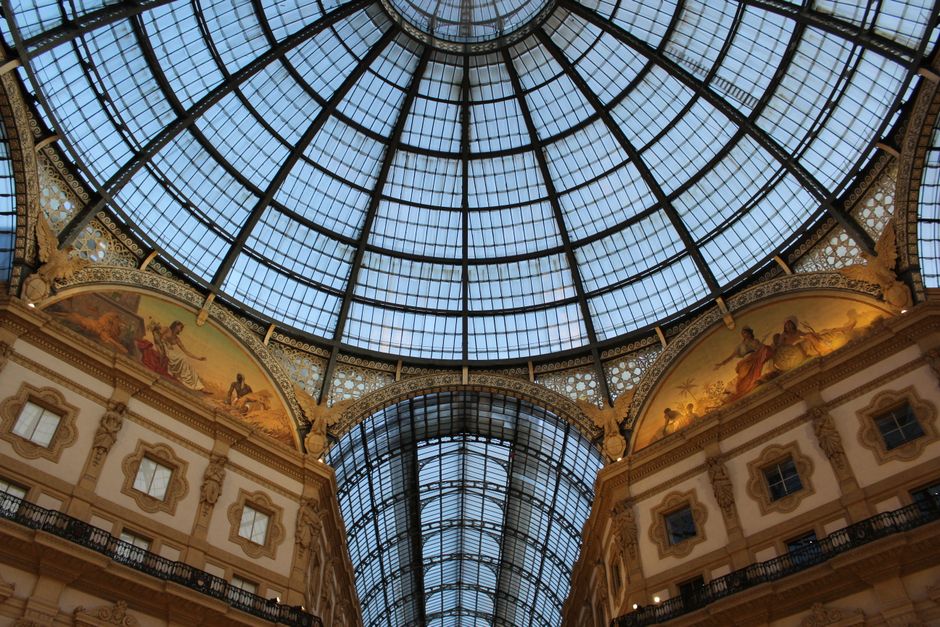
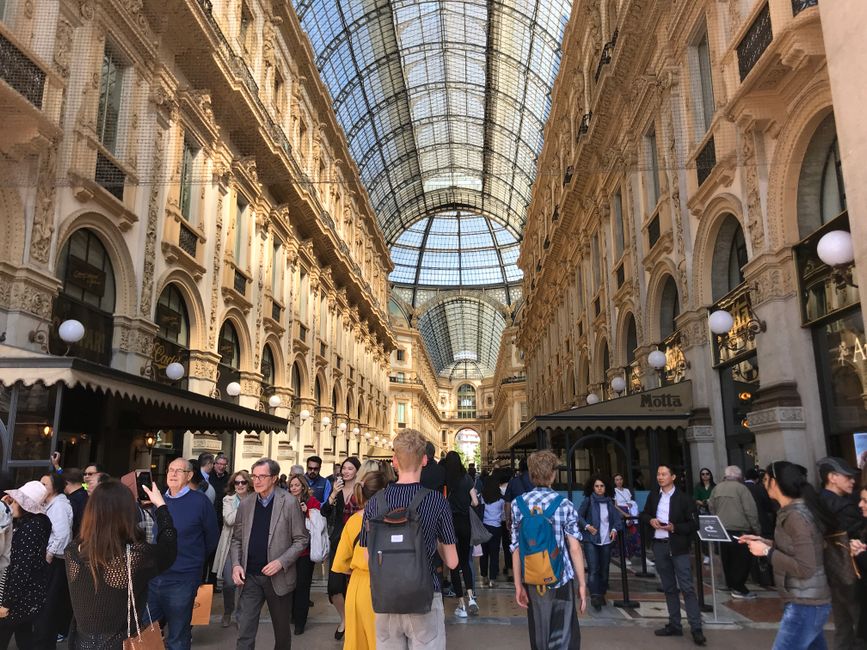
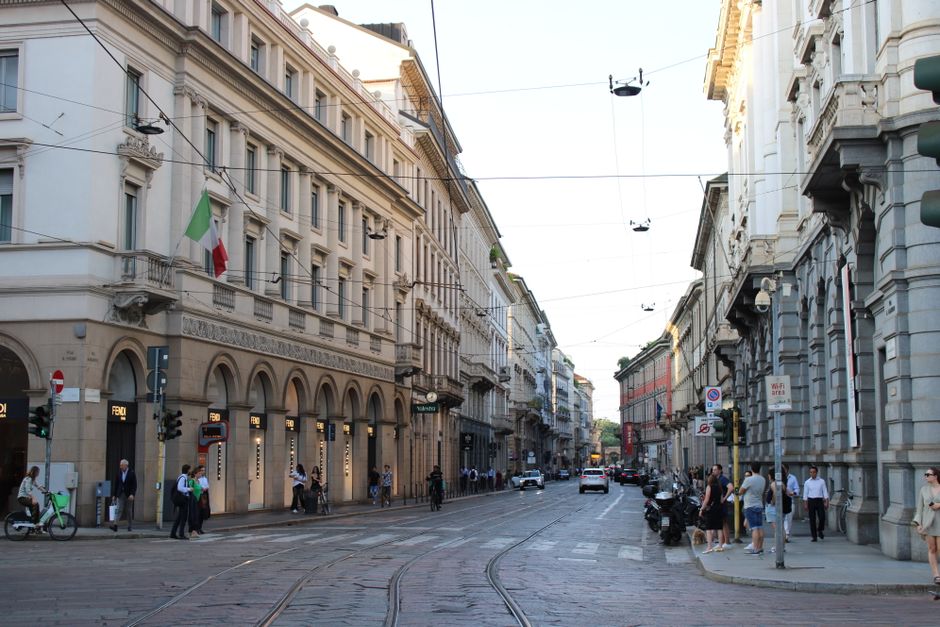
Milan's relationship with live music mirrors the city's own reinvention. Walk through the Navigli quarter today—where vintage concert halls now sit alongside minimalist clubs housed in converted warehouses—and you're tracing a century of cultural ambition that began in dimly lit speakeasies during the 1920s.
The earliest documented music venues clustered around Corso Como and the Brera district, where jazz ensembles performed in underground rooms beneath art galleries. By the 1960s, as Milan established itself as Italy's economic powerhouse, venues like the legendary La Scala's neighbouring concert halls began attracting international acts. The city's live music ecosystem expanded exponentially during the 1980s indie explosion, when smaller clubs in the Lambrate neighbourhood became incubators for punk and new wave movements that rippled across Europe.
Today's landscape reflects that layered history. The Navigli—once Milan's industrial heart—now hosts approximately 45 dedicated music venues within a 2-kilometre radius, from intimate 300-capacity clubs to spaces like Fabrique and Magazzini Generali, which regularly draw 2,000-plus crowds. Average ticket prices range from €15 for emerging artists to €60 for established international acts, democratising access compared to stadium-scale venues.
The Porta Romana and Sant'Ambrogio neighbourhoods have experienced similar transformations. Former textile factories house state-of-the-art studios and performance spaces. Arci Milano, the city's largest entertainment network, now operates 23 affiliated venues, generating an estimated €85 million annually in ticket sales and ancillary revenue.
What distinguishes Milan's scene from other European capitals is its institutional scaffolding. The Milan Music Commission, established in 2019, coordinates between independent venue operators, municipal authorities, and the Comune to standardise safety protocols while protecting venue economics. This prevented the closure waves seen in Berlin and Barcelona post-pandemic, where 40% of independent venues shuttered between 2020-2023. Milan lost fewer than 8%.
The trajectory accelerated further with the 2015 Expo infrastructure investments, which upgraded transportation links to peripheral venues. Attendance figures show 6.2 million people attended live music events across Milan's venues in 2024—a 22% increase since 2018.
Yet this success contains tensions. Rising property values in the Navigli have pushed rent costs up 35% in five years, threatening smaller venues. The Comune recently introduced protected venue status for spaces operating continuously for over a decade, acknowledging that infrastructure preservation requires active protection.
Milan's live music scene remains fundamentally a story of adaptive reuse—of spaces, audiences, and artistic traditions. Its venues don't simply host concerts; they document the city's endless negotiation between preservation and transformation.
This article was compiled by AI from the sources linked above and screened before publishing. See our editorial standards.
How does this story make you feel?
Spread the word
About this article
Published by The Daily Milan
Daily brief
Free, in your inbox before 7am. Weekdays.
More in culture