Milan Cultural Heritage Guide: Beyond the Duomo
Explore Milan's layered history from Roman ruins to Renaissance art. Discover hidden medieval canals, industrial cultural hubs, and what locals actually visit.
Explore Milan's layered history from Roman ruins to Renaissance art. Discover hidden medieval canals, industrial cultural hubs, and what locals actually visit.
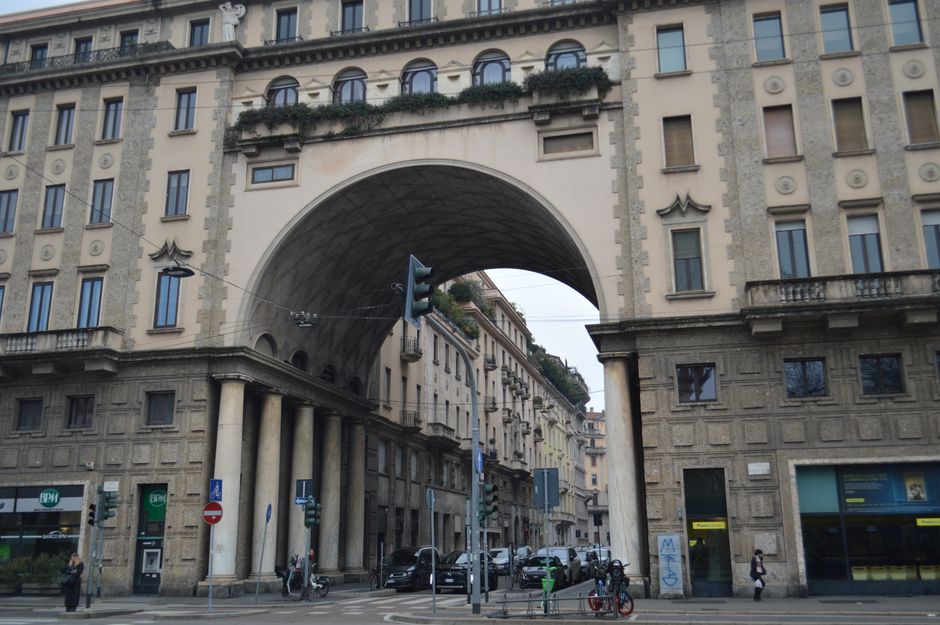
Milan's identity cannot be grasped in a single cathedral visit or fashion district stroll. To understand this city of 1.3 million—and the 10 million annual visitors who pass through it—you need to read the centuries embedded in its streets, from the Roman grid still visible beneath Piazza del Duomo to the industrial regeneration reshaping former factories into cultural hubs.
Start with what locals call the "historical centre," a roughly 2-kilometre radius anchored by the Duomo itself. But skip the crowds: instead, wander the narrow Contrada dei Navigli, where medieval canals once powered the city's economy. Built by Leonardo and his contemporaries, these waterways connected Milan to Ticino and beyond. Today, the Navigli district—particularly around Via Ascanio Sforza and Ripa di Porta Ticinese—pulses with galleries, vintage shops, and aperitivo bars frequented by Milanese who understand that heritage isn't static.
The Castello Sforzesco, perched northwest of the centre, anchors Milan's power structure from the 15th-century duchy onward. Most visitors photograph the exterior; fewer venture into the Pinacoteca, housing works by Bellini and Mantegna that reveal how Milan rivalled Florence as a Renaissance epicentre. Admission runs €10; allow three hours minimum.
But Milan's identity in 2026 is shaped equally by what came after the Risorgimento. The Brera neighbourhood, home to the celebrated Accademia di Belle Arti, represents the city's 19th-century intellectual awakening. Its gallery—the Pinacoteca di Brera on Via Brera itself—sits among bookshops, print studios, and cafés where artists and students still congregate as they have for generations.
The truly essential experience, however, lies in understanding Milan as a working city, not a museum. The Zona Tortona and Zona Navigli industrial quarters have undergone radical transformation since the 1990s, converting factories into design studios, tech incubators, and contemporary art spaces like BASE Milano. This duality—respecting centuries of craft tradition while embracing innovation—is what defines modern Milanese culture.
Visit the Monumental Cemetery (Cimitero Monumentale) on Viale Camoens. Opened in 1866, it's one of Europe's most extraordinary museums of sculpture and aspiration, where Milanese families carved their legacies into marble for over 150 years.
Finally: forget the idea that Milan exists to serve fashion week or the Duomo. Its real character emerges in neighbourhoods like Navigli, Brera, and Isola—places where heritage breathes within everyday life, where a centuries-old workshop sits beside a contemporary art gallery, where locals debate their city's future with the intensity they defend its past.
This article was compiled by AI and screened before publishing. See our editorial standards.
How does this story make you feel?
Spread the word
About this article
Published by The Daily Milan
Daily brief
Free, in your inbox before 7am. Weekdays.
More in culture