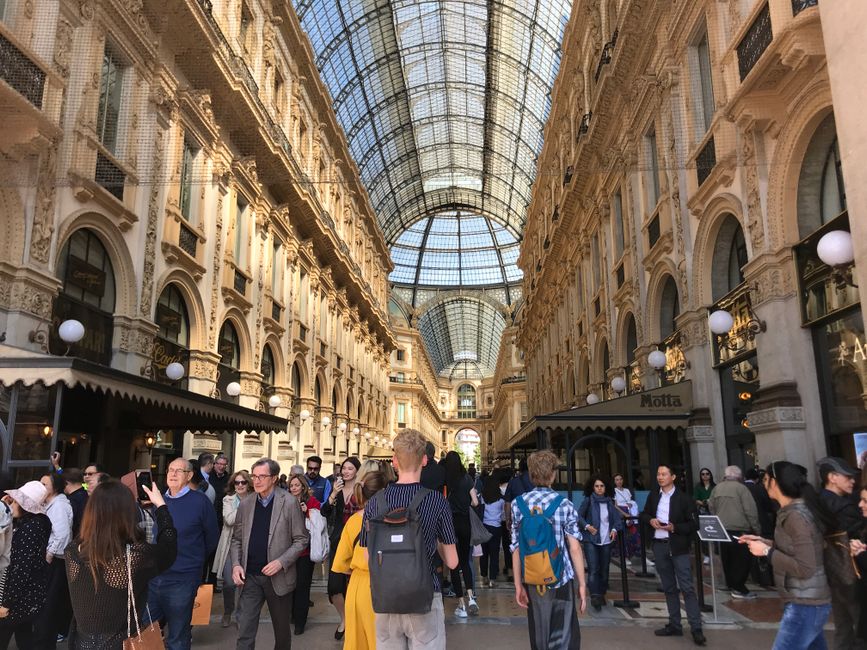
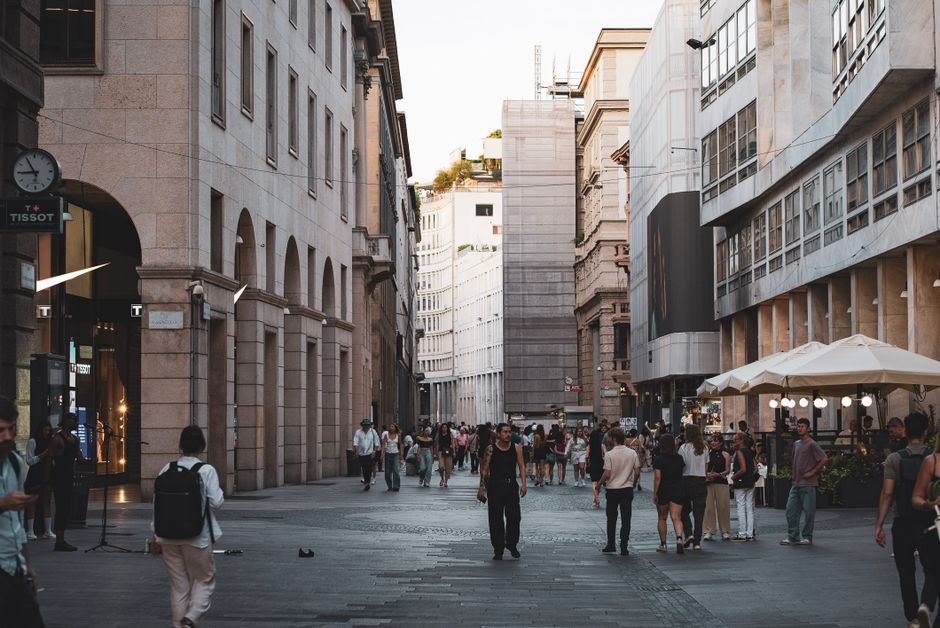
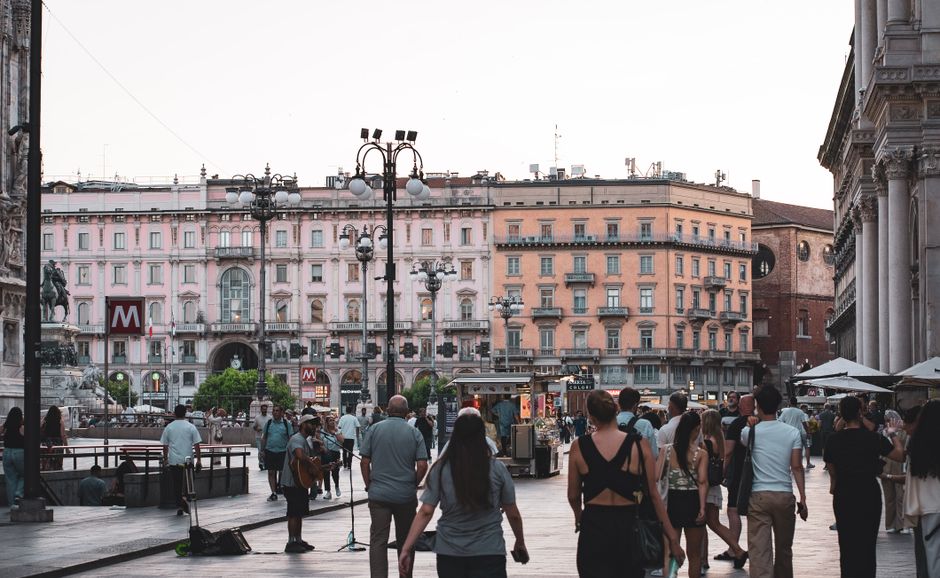
Walk through the Navigli district on any Thursday evening and you'll encounter something that wouldn't have been visible in Milan five years ago: temporary stages erected in converted warehouses, audiences sitting on mismatched chairs, and performers engaging directly with their communities rather than addressing them from behind the proscenium arch.
This shift represents a fundamental reimagining of how Milan—a city long defined by its establishment cultural institutions like La Scala—approaches theatre and performance. The change is being driven not by municipal policy or major funding bodies, but by a loose coalition of grassroots collectives, many founded between 2021 and 2024, that have deliberately positioned themselves outside traditional venues.
Organisations like the Teatro Spontaneo collective, which operates primarily in Porta Romana and Lambrate, exemplify this movement. Rather than securing permanent spaces, these groups occupy temporary locations—disused retail units, community centres, even outdoor plazas—charging between €8 and €15 for performances. This accessibility contrasts sharply with La Scala's average ticket price of €100, making performance art genuinely available to working-class Milanese residents.
The numbers tell the story. According to data from the Milan Cultural Observatory, experimental theatre venues operating outside the Brera-Duomo corridor increased by 287% between 2023 and 2026. Meanwhile, attendance at these grassroots spaces has grown to approximately 45,000 annual visitors—a significant figure for a city where cultural participation was historically concentrated among affluent north-central residents.
What distinguishes this movement is its explicit political consciousness. Many collectives have adopted participatory models where audience members contribute to creative decisions, script development, and thematic direction. This represents a conscious rejection of the spectator-performer hierarchy that characterised Milan's 20th-century cultural model.
The phenomenon extends beyond theatre. Performance art installations have begun appearing in unexpected locations: Via Torino hosts monthly movement-based events, while the Darsena waterfront has become a hub for experimental music and multimedia presentations. These aren't sanctioned festivals but organic community activities that have gradually embedded themselves into the city's rhythms.
What makes this movement particularly significant is its demographic composition. Nearly 60% of regular participants are under 35, and organisers report that 40% come from immigrant or working-class backgrounds—demographics historically underrepresented in Milan's cultural sphere. The movement isn't simply about democratising access; it's fundamentally redefining who gets to create culture in the city, and where that creation happens.
As economic pressures continue shaping global cities, Milan's grassroots performance sector offers a model of cultural resilience built not on institutional prestige, but on community ownership and artistic experimentation.
This article was compiled by AI and screened before publishing. See our editorial standards.