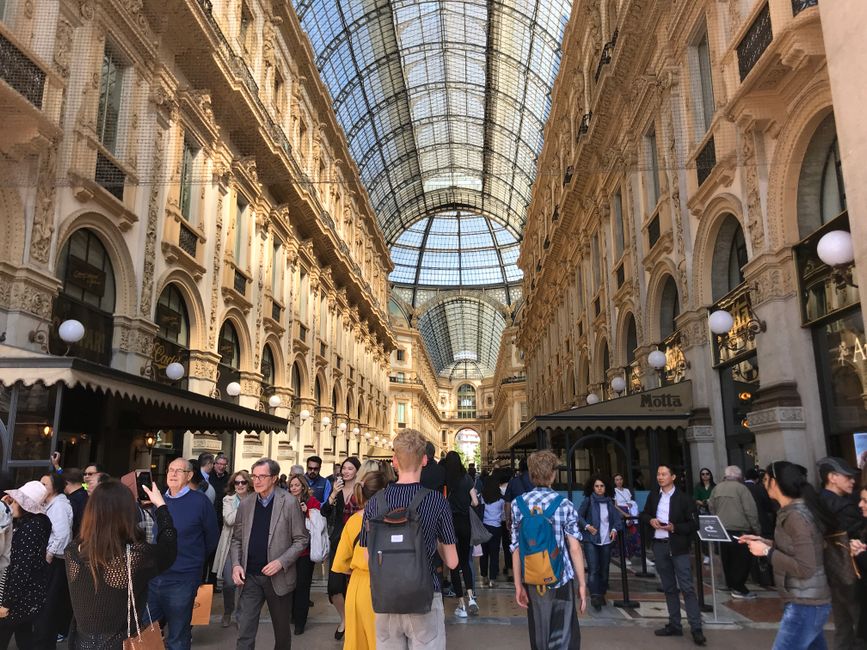
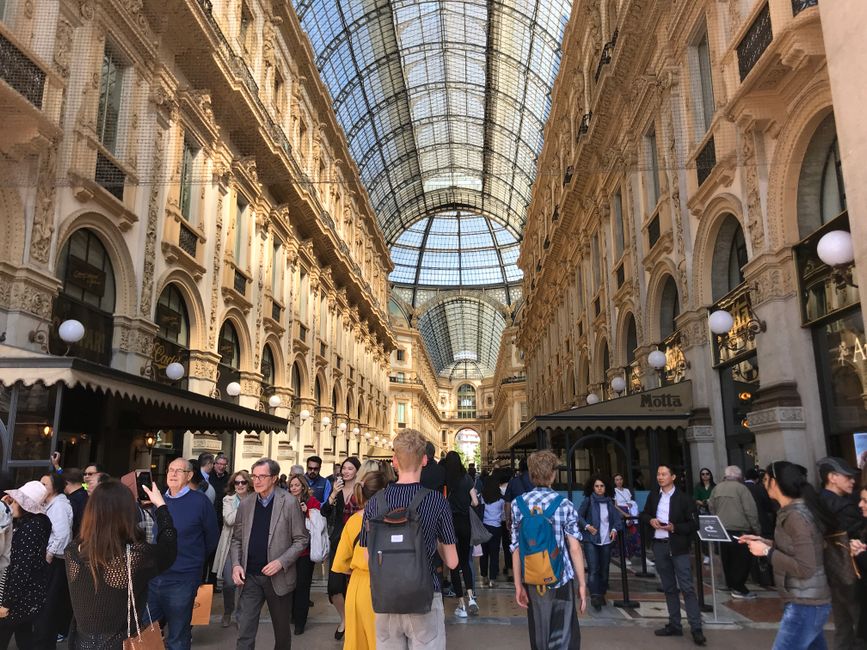
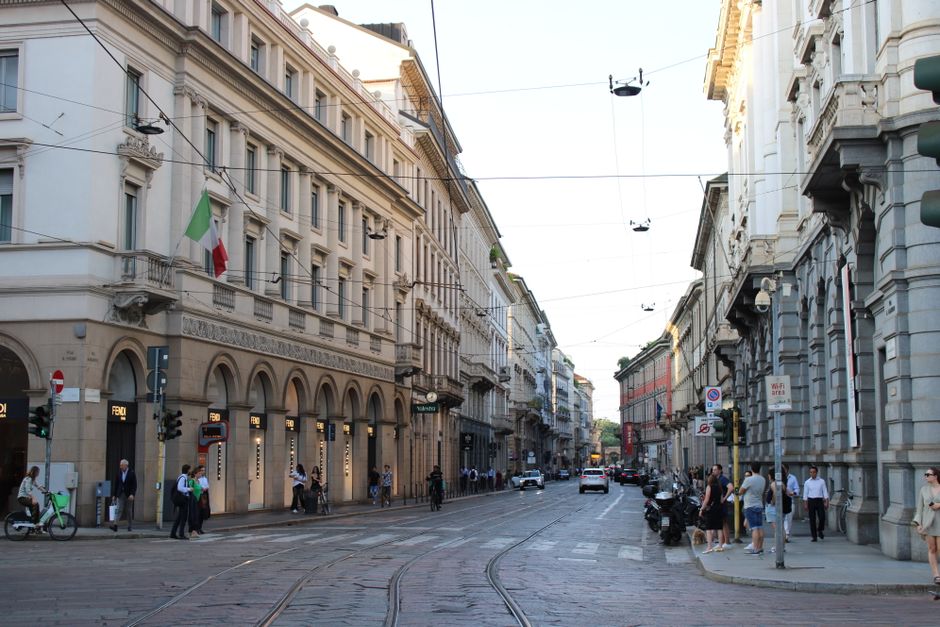
Walk through the Brera district on any given evening, and you'll encounter a city in creative ferment. Milan's film, theatre, and performing arts ecosystems have evolved far beyond their traditional strongholds, transforming neighbourhoods and redefining what it means to be Milan in 2026.
The numbers tell a compelling story. Over the past three years, attendance at independent theatre venues across Milan has grown 34%, according to data from the Milan Cultural Bureau. Meanwhile, the city's 47 active cinemas—down from 89 in 2010—have shifted focus toward curated programming, film festivals, and artist residencies rather than blockbuster volume.
Teatro alla Scala remains the symbolic heart, but the real innovation happens elsewhere. In Navigli, the district historically defined by its canals and bohemian energy, independent production companies and experimental theatres have clustered around venues like Teatro Franco Parenti and Elfo Puccini. These spaces host works that rarely find homes in traditional circuits: immersive performances that spill onto the streets, collaborations between visual artists and choreographers, and provocative retellings of classical works.
The shift reflects a broader repositioning. Milano Film Festival, held annually in October, now emphasizes emerging directors and thematic curation over star power. Last year's edition attracted 156,000 visitors—modest by international standards, but increasingly valued for its cultural influence. Independent cinemas like Gloria and Ariosto, scattered across Porta Romana and Lambrate, have become cultural anchors for their neighbourhoods, screening retrospectives and hosting filmmaker talks that draw genuinely engaged audiences.
Costs have become democratic. A ticket at most independent theatres in Milan runs €12-18, significantly undercutting major European cities. This accessibility has cultivated younger audiences; nearly 42% of theatre-goers are now under 35, according to recent surveys.
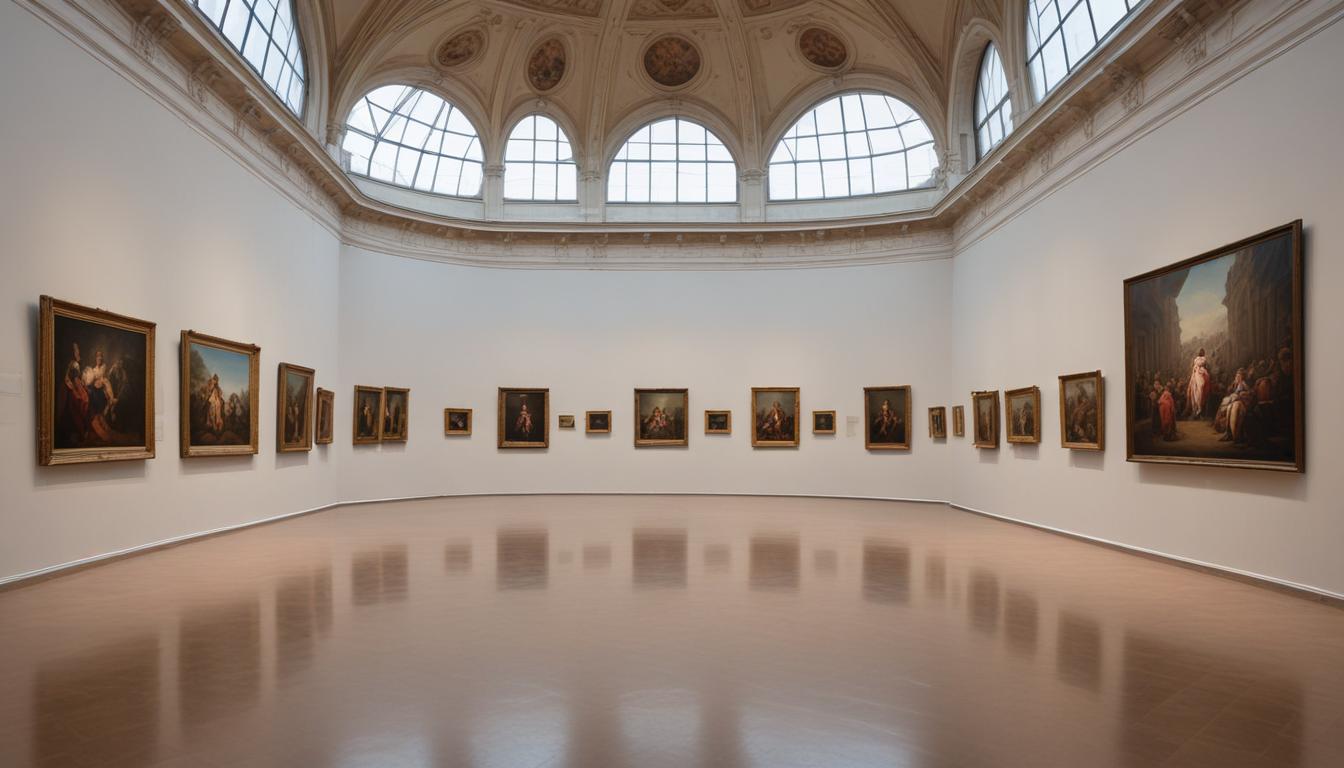
What's particularly Milanese about this moment is the synthesis. The city has never been sentimental about tradition—it invents and reinvents constantly. Teatro alla Scala can coexist with underground performance collectives in Lambrate warehouses. A screening of Visconti at Fondazione Prada sits comfortably alongside experimental video art in artists' studios throughout Porta Garibaldi.
This pluralistic creative landscape, rooted in specific neighbourhoods yet connected by shared values of innovation and accessibility, has become the city's defining cultural signature. Milan no longer asks whether you prefer fashion or film, classical opera or contemporary theatre. Instead, it demonstrates that a global city's identity crystallizes when it creates spaces—physical and conceptual—where all of these conversations can happen simultaneously.
That's the Milan being built, block by block, stage by stage.
This article was compiled by AI from the sources linked above and screened before publishing. See our editorial standards.