Gold's 4% Surge Masks the Deeper Shift Rewiring Commodity Markets
As bullion hits $4,187 an ounce and crude slips toward $68, the real story for Italian investors is what the critical-minerals squeeze means for their portfolios.
As bullion hits $4,187 an ounce and crude slips toward $68, the real story for Italian investors is what the critical-minerals squeeze means for their portfolios.
Gold is up 4.10 percent today, touching $4,187 per troy ounce, and that number is commanding attention across the trading floors of Milan's Borsa Italiana. But fixating on bullion alone misses the more structural story unfolding beneath the surface of commodity markets: a tightening global contest for the materials that make batteries, electric motors and defence electronics, a contest that European industrial and banking names are only beginning to price in properly.
WTI crude fell to $68.78 per barrel, down 2.78 percent, pulling energy stocks lower and handing central bankers in Frankfurt a small piece of good news on inflation. For Milan readers holding positions in Eni or Saipem, the crude slide is a headwind on earnings, but the offsetting dynamic is worth watching: as oil retreats, capital that would otherwise follow the old commodity supercycle, the petrodollar trade, is rotating toward metals with clean-energy credentials. Lithium, cobalt, manganese and rare-earth oxides are absorbing that flow, quietly and without the daily fanfare that gold receives.
The DAX rose 4.49 percent to 25,779 today, a move partly driven by German industrial names with significant exposure to electric-vehicle supply chains. Italian investors should take note. The FTSE MIB has its own leverage to this theme through Stellantis, which sources battery materials across multiple continents, and through specialty chemical and engineering firms whose order books increasingly depend on whether Europe can secure non-Chinese lithium processing capacity before the end of the decade.
Lithium carbonate prices have corrected sharply from their 2022 peaks, a fact that has shaken retail investors who bought into the narrative too late. But the structural demand case remains intact. The International Energy Agency has repeatedly projected that lithium demand could increase tenfold by 2040 relative to 2020 levels, driven by passenger EV adoption and grid-scale storage. The price correction has done one useful thing: it has culled the weaker junior miners and left a smaller field of better-capitalised producers, which is exactly the environment in which quality assets begin to look attractive again to patient capital.
European institutions have been circling this space carefully. The EU Critical Raw Materials Act, which entered force in 2024, sets a binding target that Europe should produce at least 10 percent of its annual consumption of strategic minerals domestically by 2030. That policy creates a direct investment tailwind for any company with European lithium or rare-earth assets. The Iberian Peninsula holds lithium deposits; so does the Czech Republic. Italian engineering and processing firms capable of building the refining infrastructure to sit between mine and battery cell are, in theory, well placed. The market has been slow to reward them for it.
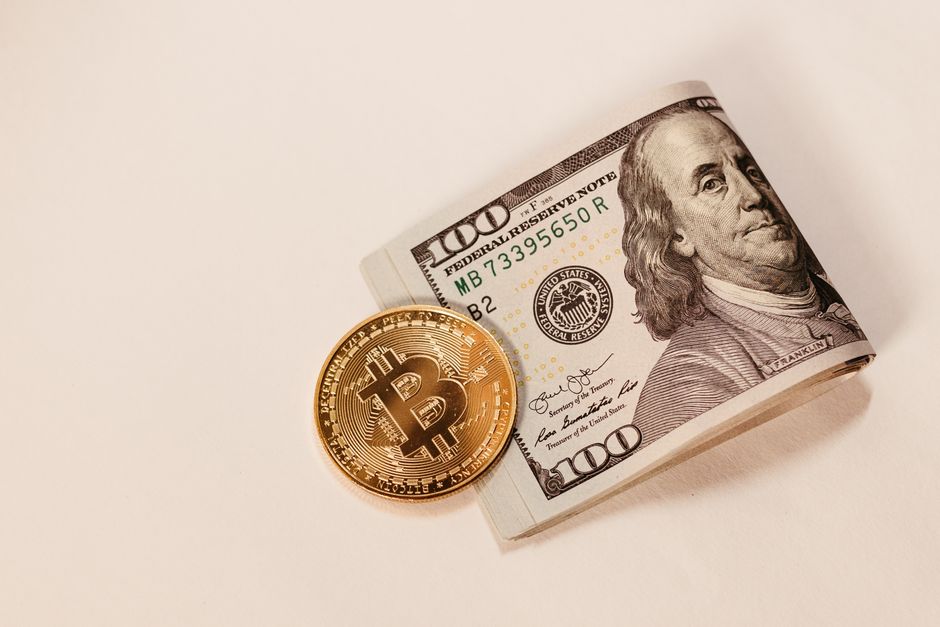
Bitcoin's 6.66 percent rally to $62,456 today is a peripheral but relevant signal. When digital assets and gold both surge on the same session, it typically reflects a common underlying bid: investors moving away from sovereign credit and fiat cash toward assets perceived as scarce and portable. That same sentiment supports hard commodities, including battery metals, even when their spot prices are not making headlines. The EUR/USD rate edged up 0.47 percent to 1.1440, which makes dollar-denominated commodity imports marginally cheaper for European buyers and compresses the hedging costs for Italian firms paying for lithium shipments priced in dollars.
For Milan-based pension funds and private investors, the practical question is how to access this theme without taking on the binary risk of a single junior miner. The cleaner routes include diversified mining majors listed in London and Zurich with meaningful critical-minerals exposure, European battery-technology companies, and the growing cohort of infrastructure funds focused on processing and logistics rather than extraction. Italian banks, particularly those with active project-finance arms such as Mediobanca and Intesa Sanpaolo, are also worth watching: large-scale mine development in Europe requires substantial debt structuring, and the fees attached to critical-minerals project finance are becoming material.
None of this means the lithium trade is a simple or imminent winner. Permitting timelines in Europe remain slow. Chinese producers still dominate refining and cell manufacturing, giving Beijing significant leverage over the supply chain even if raw material deposits shift westward. And the gap between a policy target written in Brussels and an operational mine in Extremadura or Saxony is measured in years, not quarters. What has changed is the seriousness with which institutional capital is studying the gap, and the willingness of governments to backstop it with guarantees and offtake commitments. That combination, patient capital plus policy support, is the precondition for a commodity cycle, and it is assembling, slowly, in plain sight.
How does this story make you feel?
Spread the word
About this article
Published by The Daily Milan
Daily brief
Free, in your inbox before 7am. Weekdays.
More in Finance