The numbers arriving on Italian trading desks this Fourth of July morning are not subtle. Frankfurt's DAX has surged 4.49 percent to 25,779, its sharpest single-session gain in months, dragging broader European sentiment with it. The euro is buying 1.1440 dollars, up nearly half a percent on the day. Gold has cleared $4,187 an ounce, a 4.10 percent advance that signals investors are running two trades simultaneously: risk-on in equities, risk-off in hard assets. For Milan's financial community, sitting at the intersection of European banking, luxury goods and mid-cap industrial manufacturing, that combination is creating a genuine and measurable funding opportunity.
Corporate treasurers at companies listed on the FTSE MIB have been working the phones since early this week. The stronger euro matters directly to any Italian firm raising capital in dollar-denominated bond markets or refinancing existing dollar debt. At 1.1440, the currency is offering the most favourable hedging terms in over a year, compressing the cost of cross-currency swaps and reducing the real repayment burden on legacy dollar liabilities. Banks including Intesa Sanpaolo and UniCredit, which together represent a substantial slice of the FTSE MIB's total market capitalisation, are positioned to intermediate that flow. Both institutions have been expanding their debt capital markets desks in 2026, anticipating precisely this kind of window.
Who Is Already Moving
The luxury sector is the most obvious beneficiary. Names such as Moncler and Brunello Cucinelli sell heavily into dollar and yuan markets but report in euros. A rising euro compresses their reported revenues when foreign sales are translated back, which creates a short-term headline drag. But the same dynamic improves the real cost of their European manufacturing base relative to non-European competitors, and it strengthens the purchasing power of their core European customer. More immediately, several luxury conglomerates have been preparing equity follow-on offerings that had been held back pending currency and valuation clarity. With Frankfurt up sharply and the euro firm, the internal rate-of-return calculations for launching those transactions have shifted materially in favour of proceeding before the summer break.
Gold's move to $4,187 an ounce carries a specific implication for Milan. Italy holds the world's third-largest official gold reserve, nearly 2,452 tonnes sitting on the Banca d'Italia's balance sheet. That reserve is not deployable in the conventional sense, but its mark-to-market appreciation reinforces the sovereign's perceived financial credibility, which feeds directly into Italian government bond spreads and therefore into the borrowing costs of every Italian corporate that prices debt off the BTP curve. Tighter spreads mean cheaper funding. Cheaper funding means more deals.
Private equity and venture capital activity in the Milan corridor, concentrated around firms operating out of the Porta Nuova financial district, has been accelerating since the second quarter. Mid-cap industrials, particularly those supplying components to the European defence and clean-energy supply chains, have attracted term sheets from both domestic and northern European funds. The euro's strength makes Italian assets relatively more expensive for dollar-based acquirers, but it makes Italian firms more credible counterparties for euro-denominated leveraged buyouts, and it increases the realistic exit valuations for sponsors already holding Italian portfolio companies.
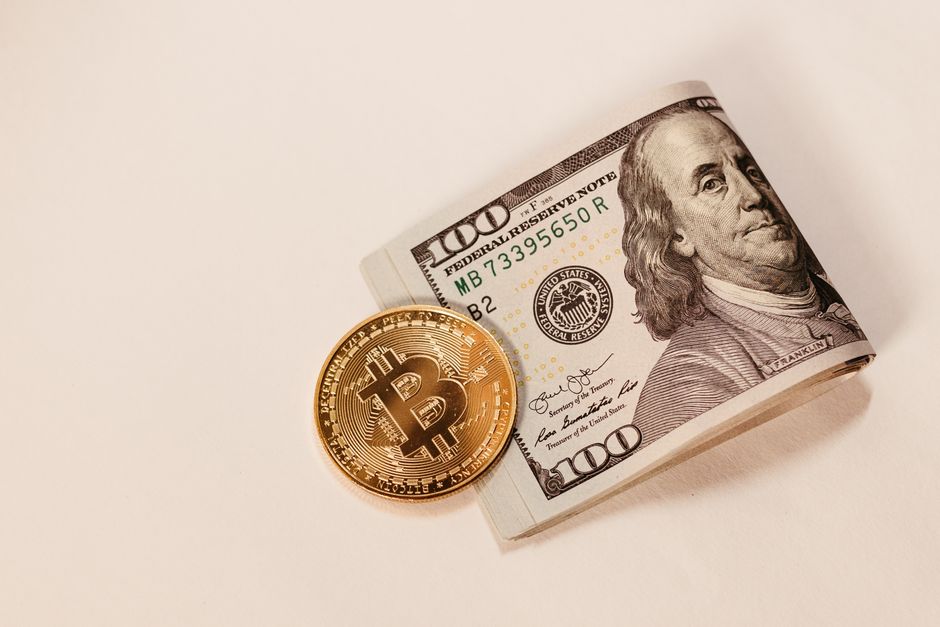
Bitcoin's 6.66 percent advance to $62,456 is a separate data point worth flagging for the minority of Milan-based treasury functions that took positions in digital assets during 2024 and 2025. Those gains are real and, for the handful of mid-cap technology and fintech firms listed on Euronext Milan's Growth Market segment, they have improved balance sheet optics ahead of half-year reporting in late July. The broader significance is sentiment: when crypto rallies hard on a day when gold is also up sharply and European equities are surging, it usually reflects a decisive unwinding of defensive dollar positioning by global allocators. Money is coming out of cash and into assets. Milan is an asset.
The crude oil picture cuts the other way. WTI at $68.78 a barrel, down 2.78 percent, reduces the input cost burden for energy-intensive manufacturers in Lombardy and the Veneto. That is unambiguously positive for operating margins heading into the second half. It also reduces the inflation impulse that the European Central Bank has been monitoring most carefully, which opens the door, at least slightly, for a more accommodative posture at the ECB's September meeting. Rate expectations will be repriced accordingly through July.
The window will not stay open indefinitely. Summer liquidity thins out from mid-July, and the political calendar, including Italian budget discussions scheduled for autumn, will introduce fresh volatility. Corporate finance advisers in Milan are telling clients the same thing privately: the conditions that exist today, a strong euro, surging equity benchmarks, compressed credit spreads implied by gold's safe-haven premium and softening energy costs, are a combination that favours action in the next four to six weeks rather than waiting for September clarity that may never arrive cleanly.