Gold hit $4,187 a troy ounce on Friday, a gain of more than 4% in a single session, while Frankfurt's DAX surged 4.49% to 25,779. Those two numbers, pulling in opposite directions philosophically, tell the whole story of where global capital stands on the fourth of July 2026: investors are buying everything at once, chasing equities for momentum and gold for protection. For Milan's financial community, straddling both impulses is no longer a theoretical exercise.
The euro's advance to 1.1440 against the dollar, up 0.47% on the day, is the most immediate pressure point for companies listed on the FTSE MIB. Luxury names such as Moncler and Brunello Cucinelli generate a substantial share of revenues in dollars and yen, then translate those earnings back into euros at reporting time. A stronger single currency compresses those figures mechanically. Analysts covering the sector have flagged the exchange rate as the single largest variable for second-half earnings guidance, and at current levels the headwind is real rather than theoretical. Exporters in the industrial belt around Brescia and Bergamo face the same arithmetic on capital goods invoiced in dollars to American buyers.
Banks Caught Between Rallying Assets and Falling Oil
Italy's large listed banks, including Intesa Sanpaolo and UniCredit, hold substantial trading books and asset management operations that benefit directly when European equities climb. A 4.49% day on the DAX lifts the value of equity portfolios, boosts fee income on funds benchmarked to continental indices, and generally improves the mood inside treasury operations on Via Monte di Pietà and Via Alessandro Specchi. Yet the 2.78% drop in WTI crude to $68.78 a barrel complicates that picture. Cheaper oil reduces inflationary pressure, which in turn affects market expectations for European Central Bank policy, and it also hits the revenues of energy-linked credits sitting on Italian bank balance sheets. The ECB's next move is not telegraphed clearly by Friday's data; the signals are contradictory enough that rate-sensitive assets remain volatile.
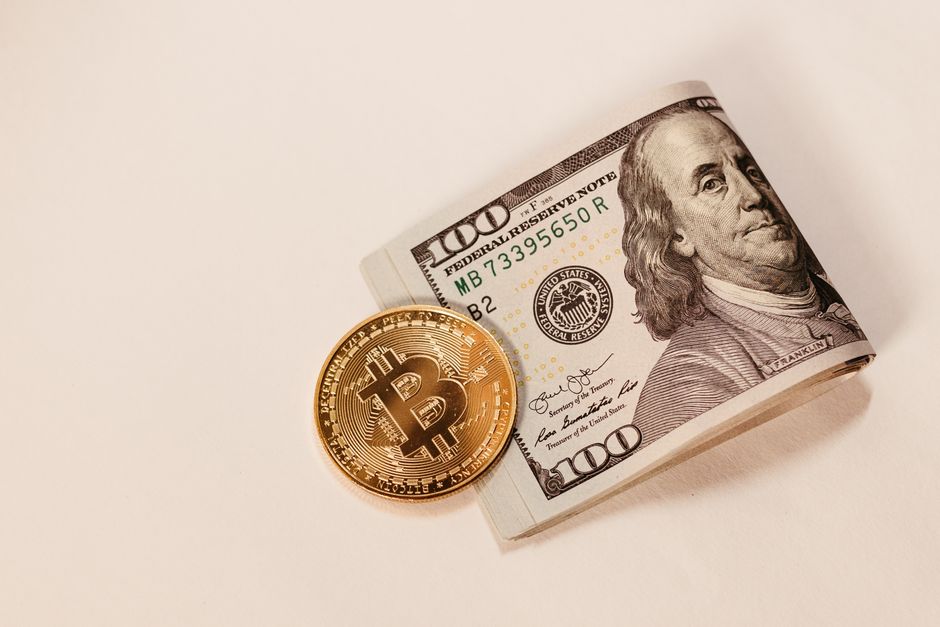
Bitcoin's 6.66% jump to $62,456 has begun attracting serious attention from Milan's private banking desks, not as a speculative instrument for retail clients but as a signal of broader liquidity conditions. When Bitcoin rallies sharply alongside gold and equities simultaneously, it historically reflects a surge of dollar liquidity looking for a home outside conventional fixed income. Several family offices operating out of Milan's financial district, the cluster of firms around Piazza Cordusio and Corso Venezia, have been fielding client calls this week about digital asset allocations. The conversations remain exploratory, but the volume of inquiries has risen noticeably since Bitcoin crossed $60,000.
The S&P 500's 1.71% gain to 7,483 and the Nasdaq's 1.87% rise to 25,833 confirm that American technology and growth stocks are continuing to lead global benchmarks. For Italian retail investors holding UCITS funds with significant US equity exposure, this is straightforward good news for quarterly statements. For Milan's asset management industry, however, the sustained American outperformance creates a structural marketing problem: domestic equity funds benchmarked to the FTSE MIB have struggled to match the returns available through passive exposure to Wall Street, and client retention pressure is building at several mid-sized Italian asset managers.
The gold price deserves separate attention from Milan readers with pension exposure. Italy's second-pillar pension funds, the fondi pensione complementare governed by COVIP, hold diversified portfolios that typically include commodity exposure. At $4,187 an ounce, gold has now appreciated so sharply that it represents a meaningful contributor to returns in any fund that maintained even a modest allocation at the start of the year. The question facing investment committees meeting this month is whether to take profit or let the position run in an environment where geopolitical uncertainty and dollar weakness continue to support the metal.
The practical read for Milan at the close of the first week of July is this: the global macro backdrop is unusually supportive for risk assets in the short term, but the euro's strength, oil's softness and the divergence between American and European equity momentum create genuine complications for locally exposed businesses and the institutions that finance them. The DAX's extraordinary single-day performance may partly reflect catch-up trading following a shortened week, but even discounting that, European equities are attracting capital that was sitting on the sidelines. Whether any of it lands on the FTSE MIB in size will become clearer once earnings season opens in earnest later this month.