The S&P 500 closed at 7,483 on Friday, a gain of 1.71% on a session that also saw the Nasdaq Composite climb 1.87% to 25,833. Those are not modest intraday wiggles. Taken together with a DAX up 4.49% at 25,779 and the euro strengthening to 1.1440 against the dollar, the day's price action reads as an unambiguous global vote for risk. The question for investors in Milan, Frankfurt and Paris is whether that vote holds.
The euro's move matters as much as the equity gains for Italian portfolios. A stronger euro at 1.1440 compresses the translated earnings of FTSE MIB names with heavy dollar revenues, from luxury conglomerates to industrial exporters. Investors in Milanese listed companies that price goods in dollars but report in euros will be running that calculation this weekend. The currency gain also reflects a broad retreat from dollar-denominated safety, which reinforces the risk-on reading of Friday's session.
Gold's Warning Sign Inside the Bull Case
Here is the complication. Gold rose 4.10% to $4,187 per troy ounce on the same day equities surged. That is a large simultaneous move in both directions of the risk spectrum, and it deserves scrutiny. In orthodox market logic, gold and equities do not both surge on the same session without a reason. The most plausible explanation is that investors are not choosing between risk and safety but are hedging both sides. They want equity exposure in case the recovery continues, and they want gold in case it does not. That kind of positioning reflects lingering unease about the durability of whatever catalyst drove Friday's rally, rather than outright conviction.
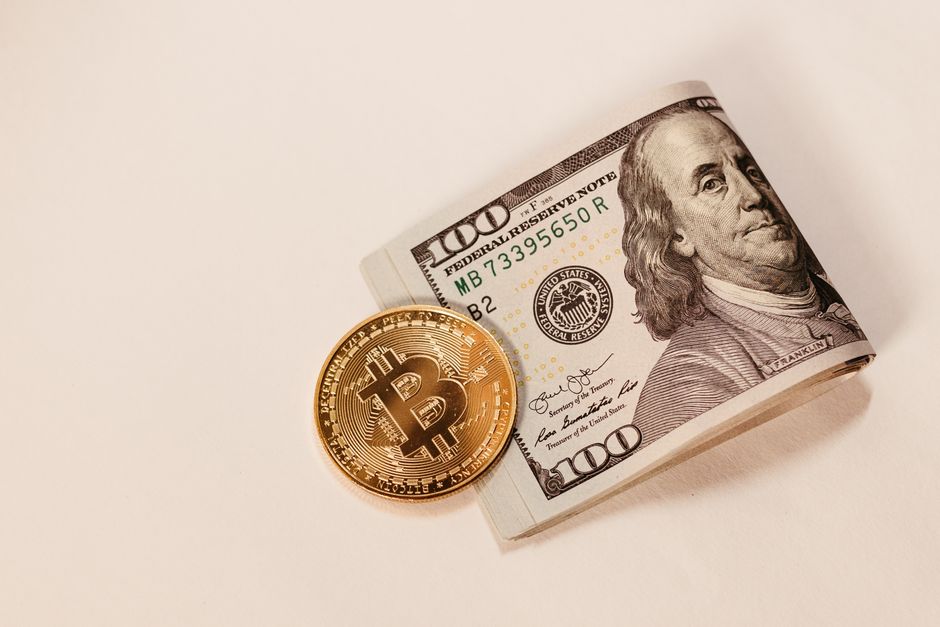
Bitcoin's 6.66% jump to $62,456 fits the same narrative from a different angle. Cryptocurrency tends to attract flows when investors are willing to reach for asymmetric payoffs, which is consistent with a risk-on tilt. But it also trades as a hedge against currency and institutional instability, mirroring gold's dual role. The breadth of Friday's gains across equities, gold and Bitcoin simultaneously suggests the market is less certain about direction than the headline index moves imply.
WTI crude fell 2.78% to $68.78 per barrel, a meaningful divergence from the rest of the rally. Crude is the one major asset class on Friday that pointed downward, and for Milan readers that distinction is important. Lower oil prices ease input cost pressure for Italian manufacturers and reduce the energy import bill that has weighed on eurozone corporate margins since 2022. The ENI share price will reflect that arithmetic when Milan trading resumes. More broadly, softer crude suggests the market does not anticipate a near-term surge in global industrial demand, which tempers the most optimistic interpretation of the equity rally.
For Italian savers with exposure to European equities through pension funds or retail investment plans, the DAX's 4.49% single-session gain is the most immediately relevant number. German industrial and financial stocks carry significant weight in pan-European funds, and a move of that magnitude lifts virtually all eurozone equity allocations. Italian banking stocks, which have been strong performers in the FTSE MIB over the past eighteen months on the back of elevated net interest margins, will face a more nuanced session when Milan opens. Rate expectations in the eurozone are shifting again, and a stronger euro combined with risk appetite returning to equities historically presages market pricing of looser monetary policy ahead. That would eventually squeeze the margins Italian lenders have been enjoying.
Luxury is the other sector Milan investors watch most closely. The large French and Italian luxury houses trade on global demand signals, particularly from the United States and China. A recovering S&P 500 at 7,483 is broadly supportive of American consumer confidence, which flows through to discretionary spending on high-end goods. The euro's strength at 1.1440 creates a currency headwind for European luxury names that sell in dollars but report earnings in euros, so the net read is mixed rather than straightforwardly bullish.
What Friday's session ultimately signals is a market that has decided, at least for now, to lean into growth. The scale of the moves, across Frankfurt, New York and the cryptocurrency markets simultaneously, indicates institutional capital was positioned conservatively and is being redeployed quickly. That kind of repositioning can sustain momentum into the following week. It can also reverse sharply if the catalyst, whatever it was, proves less durable than Friday's price action assumed. Italian investors sitting on gains in bank stocks and industrial names should weigh both possibilities before Monday.