Moving beyond tourist landmarks, Milan's real magic unfolds in its neighbourhoods—each with distinct character, pace and community rhythms. Whether you've just arrived or are rediscovering your adopted city, understanding these pockets transforms how you live here.
Navigli: Canal-side Living with Edge The Navigli district remains Milan's most magnetic residential zone. Lined with 15th-century canals and independent boutiques, the area hums with energy on weekends when locals gather at waterfront bars and restaurants. Rent here averages €1,200-1,800 monthly for a one-bedroom apartment. The weekly vintage markets along Via Magolfa and the independent galleries tucked into converted warehouses make this neighbourhood feel perpetually alive. Sunday aperitivo culture—Italians gathering from 6pm onwards with Spritz and olives—defines the social rhythm here.
Brera: Intellectual Heritage, Contemporary Living North of the city centre, Brera attracts professionals and creatives. The Pinacoteca di Brera sits at its cultural core, but the real draw is the labyrinth of galleries, design shops and intimate trattorias along Via Brera itself. This neighbourhood demands slower exploration. Expect €1,400-2,100 for rental accommodation. The Thursday evening passeggiata—the traditional Italian evening stroll—still thrives here authentically.
Porta Venezia: Emerging and Accessible Once overlooked, this eastern neighbourhood now attracts younger residents seeking reasonable rents (€900-1,400) without sacrificing quality of life. The tree-lined Giardini Pubblici Indro Montanelli offers green space, while Via Torino connects you to shopping and transport. Independent coffee roasters and neighbourhood run clubs have sprouted organically here.
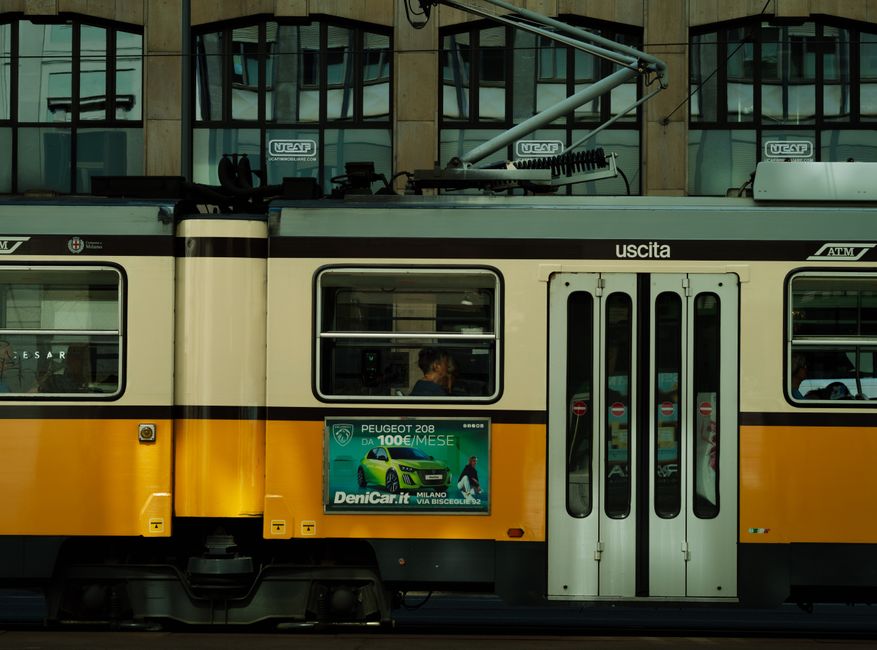
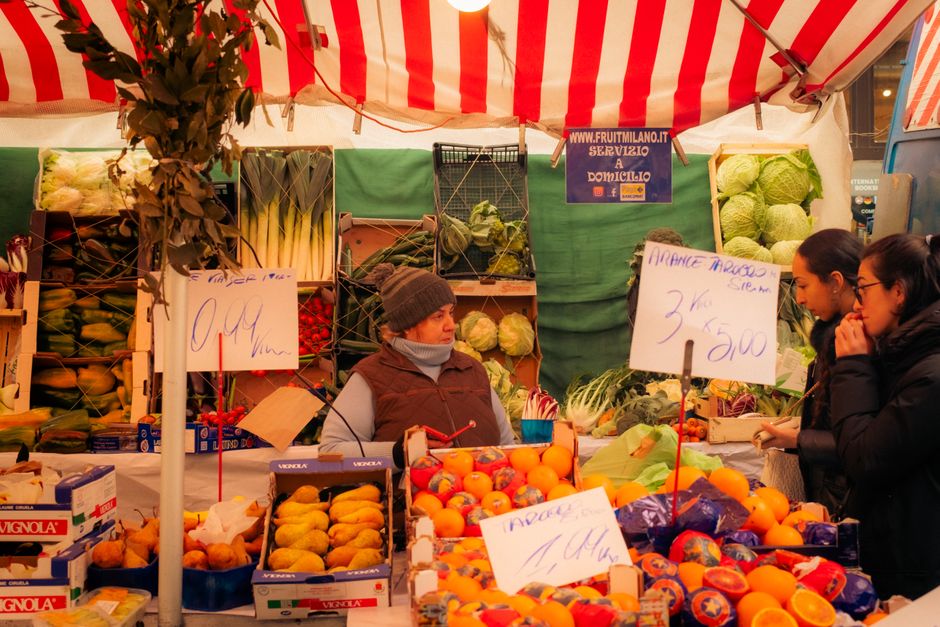
Practical Essentials for New Residents Milan's neighbourhood life depends on understanding logistics. Public transport—trams, buses and the Metropolitana—operates until around 1am on weekdays, with limited night service. The ATM app is essential; monthly passes cost €39. Most neighbourhoods maintain farmers' markets; check comune.milano.it for schedules. Community bulletin boards in local bars often advertise events, language exchanges and neighbourhood initiatives.
Building Your Rhythm Seasonal shifts shape Milan living. Summer brings outdoor cinema and rooftop aperitivos; winter focuses on indoor galleries, theatre and shopping. Shopping typically closes Sundays and Mondays in smaller neighbourhoods, with exceptions in commercial areas.
The key to neighbourhood integration isn't rushing discovery—it's frequenting the same bar, becoming familiar to shopkeepers, joining local cycling groups or book clubs. These repetitions create belonging faster than any tourist guide ever could.
This article was compiled by AI and screened before publishing. See our editorial standards.