Milan Metro M4 Extension: New Routes Transforming City Commutes
Milan's M4 metro expansion and new cycling network are reshaping daily commutes. Discover how the latest infrastructure changes are making it easier to navigate the city.
Milan's M4 metro expansion and new cycling network are reshaping daily commutes. Discover how the latest infrastructure changes are making it easier to navigate the city.
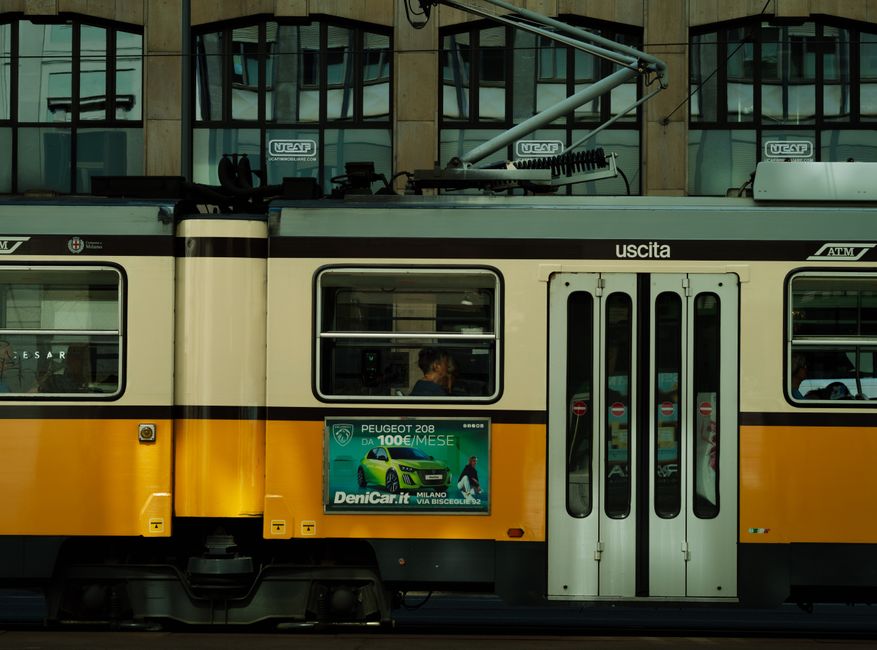
For decades, getting from Centrale Station to the Duomo, or navigating the tangle of Viale Monza during rush hour, required either the patience of a saint or a strategic knowledge of Milan's Byzantine public transport system. But something has shifted in the past eighteen months, and locals have noticed.
The completion of the new M4 metro extension, which now reaches into previously underserved neighbourhoods like Linate and Forlanini, has fundamentally redrawn the city's mobility map. What used to be a 45-minute odyssey via interconnected trams and buses now takes just twenty minutes direct. Commuters from the outer rings report reclaiming almost an hour of their day—time that's migrating back to morning coffee at their favourite bar in Navigli or a proper evening passeggiata rather than standing cramped on the Rho-Monza line.
But the real revolution has been quieter, painted in white stripes across the city's streets. Milan's new cycling network—nearly 150 kilometres of dedicated lanes woven through Porta Romana, Isola, and the entire eastern corridor toward Monza—has fundamentally changed commuting behaviour. ATM data shows bike journeys have increased by 67% since the infrastructure overhaul began. Young professionals cycling along the protected lanes on Corso Buenos Aires, once considered a chaotic nightmare, now describe it as almost meditative.
The economics matter too. A monthly travelcard costs €39, while annual bike-sharing passes run just €99. For a city where housing prices in Brera or Porta Nuova can consume half a salary, shaving €50 monthly from transport costs feels genuinely liberating. Parents particularly appreciate the safer cycling conditions for accompanying children to schools in San Siro or Porta Romana.
Perhaps most tellingly, the conversation in aperitivo circles has shifted. Where residents once bonded over complaints about overcrowded trams or the unpredictability of the ATM app, they're now comparing cycling times to work or debating which newly accessible neighbourhood makes the best weekend lunch destination. A colleague who once spent ninety minutes commuting from Lambrate now talks about using that time to explore Arco della Pace, something unimaginable two years ago.
Milan's transformation isn't just infrastructure—it's about reclaiming the texture of urban life. When movement through the city becomes fluid rather than fraught, everything else somehow becomes more possible.
This article was compiled by AI and screened before publishing. See our editorial standards.
How does this story make you feel?
Spread the word
About this article
Published by The Daily Milan
Daily brief
Free, in your inbox before 7am. Weekdays.
More in lifestyle