Five years ago, Navigli was synonymous with nightlife—crowded bars, late-night aperitivos, and a reputation as Milan's playground for the young and unburdened. Today, pushchairs outnumber cocktail glasses along the canal-side paths, and the neighbourhood's identity is shifting in ways that reflect broader changes in how Milan's families approach childhood and education.
The transformation is most visible in the schools themselves. A cluster of independent, pedagogically progressive institutions has emerged along Via Ascanio Sforza and surrounding streets, including several Montessori-inspired academies and hybrid learning models blending traditional curricula with environmental education. Monthly fees typically range from €800 to €1,500—considerably less than the elite international schools concentrated in the Porta Venezia area—making premium education accessible to Milan's expanding middle-class professional families.
"Families are deliberately choosing Navigli," explains the director of the newly established Centro Studi Navigli, a learning hub opened last autumn. "They want neighbourhoods with character, where their children can actually play outside, where community matters."
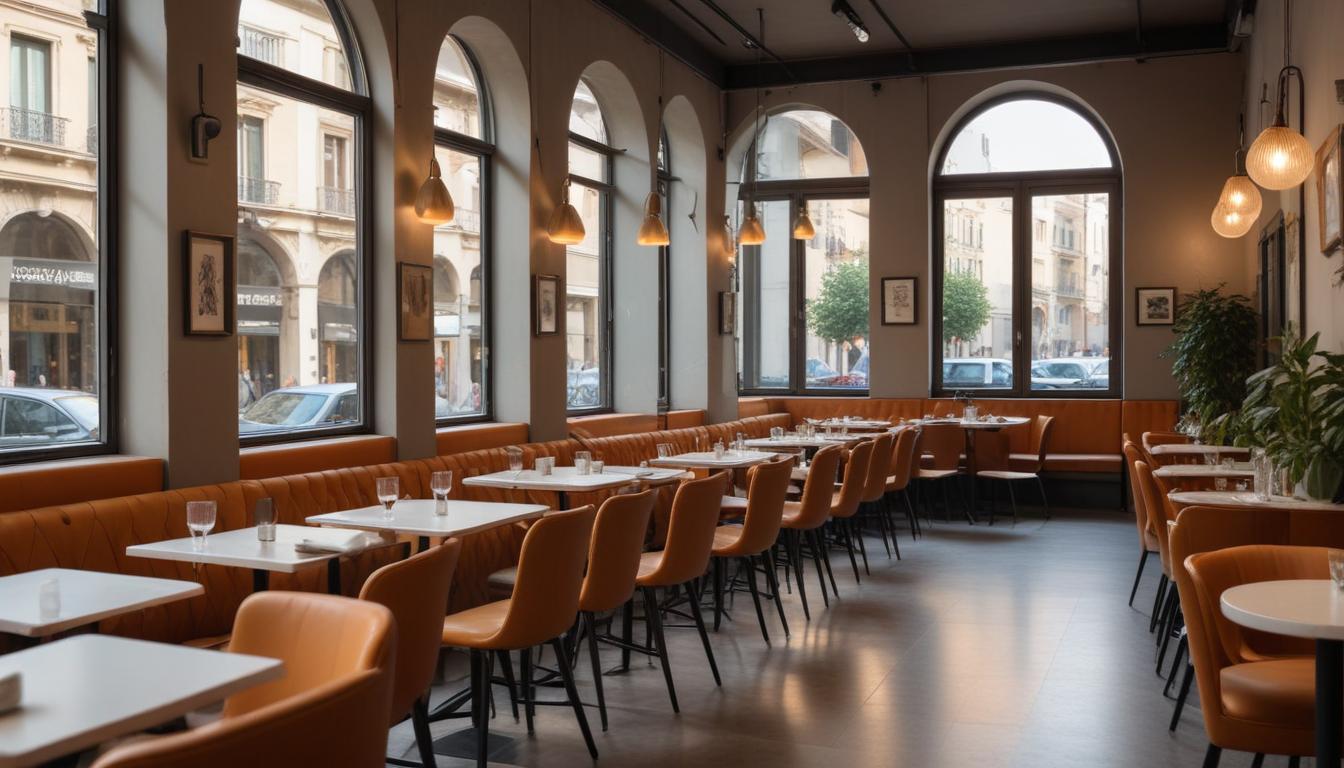
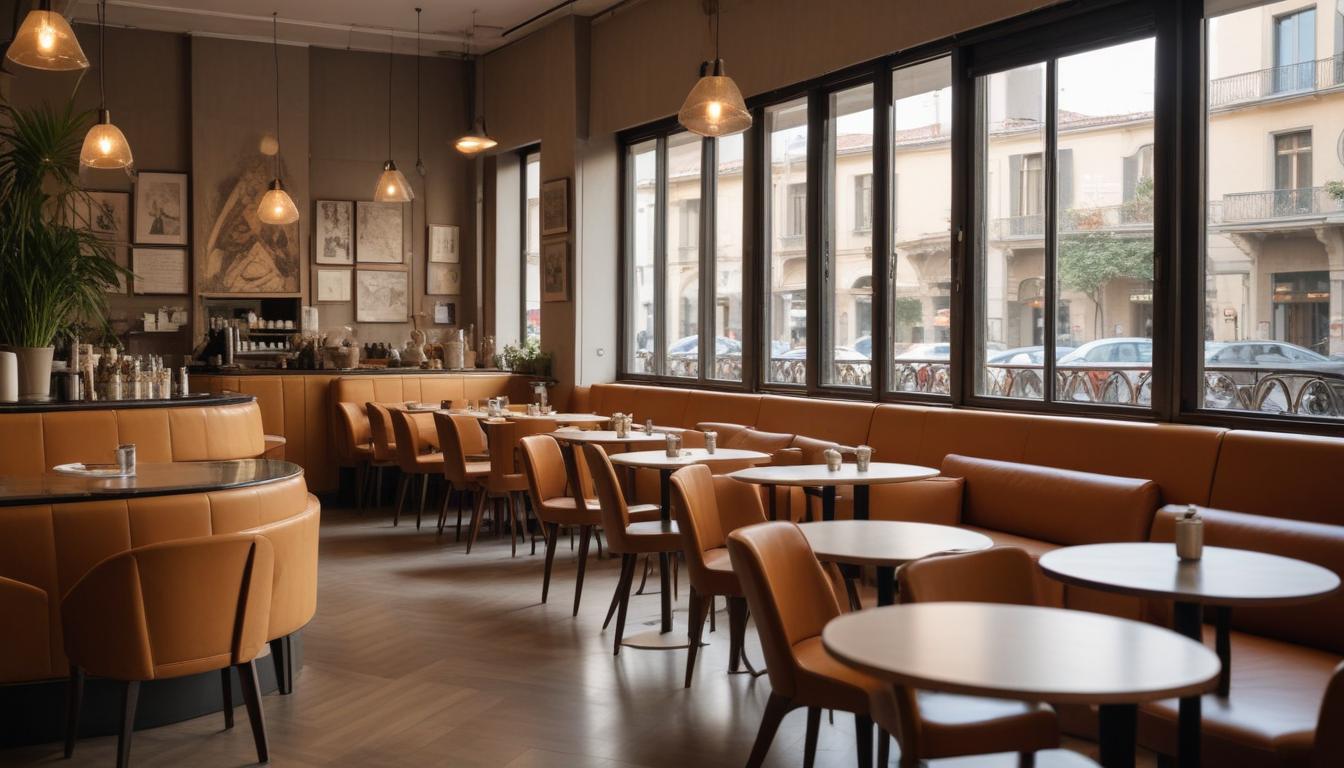
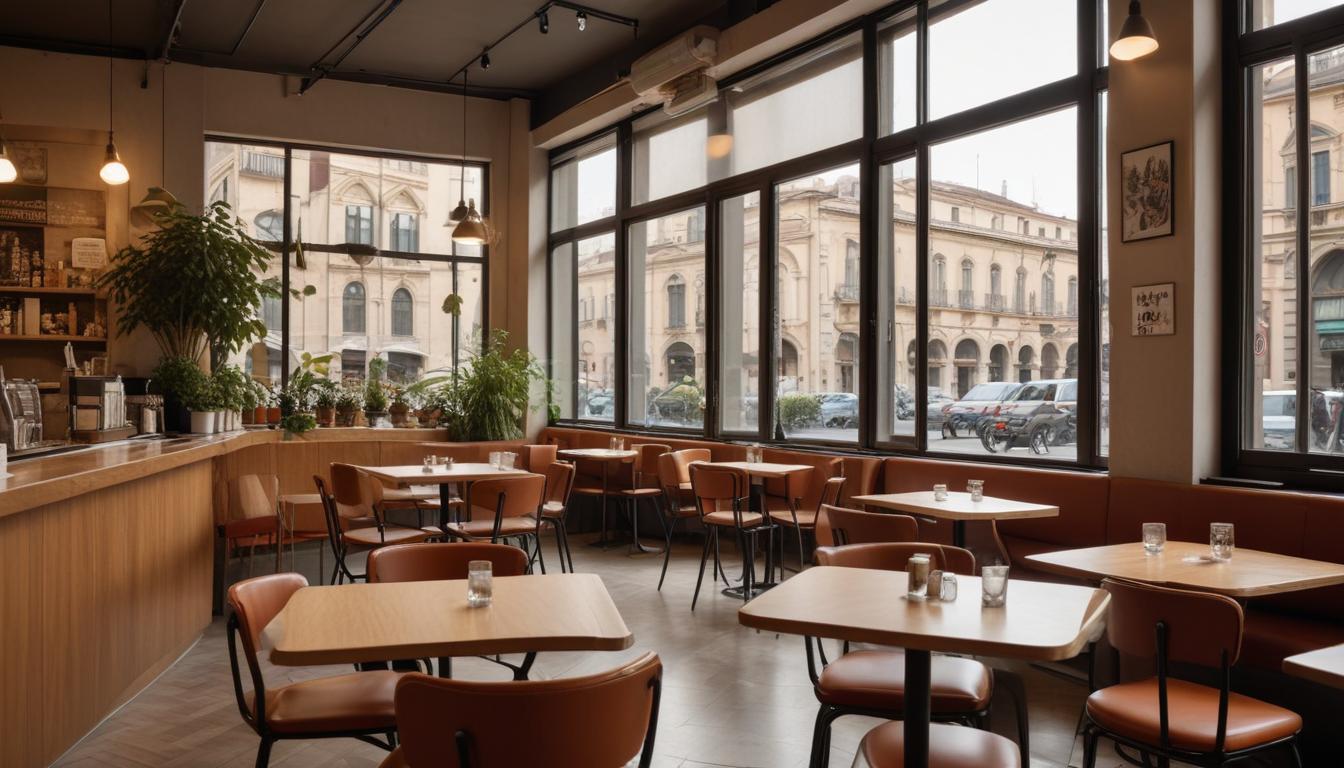
This shift extends beyond classrooms. Along the Navigli itself, cooperative spaces designed for parents have proliferated. Parklets—small public parks installed on former parking spaces—now dot the district. The Biblioteca dei Navigli expanded its children's section by 40% last year, while mother-and-baby groups meet regularly at independent cafés like Caffè Navigli, where oat milk lattes and second-hand children's book swaps have become weekend fixtures.
Property values tell part of the story: median rental prices for family apartments (two to three bedrooms) have risen approximately 18% since 2024, compared to 8% citywide. Young families previously priced out of Brera or Sant'Ambrogio are settling here, attracted by the neighbourhood's walkability, accessible green space along the Navigli itself, and a palpable sense of community investment.
Not everyone welcomes the changes. Long-time residents note the loss of grittier venues and affordable trattorias, replaced by wellness studios and organic grocers. The tension between Navigli's bohemian past and its increasingly family-focused present remains palpable.
Yet the data suggests the transformation reflects genuine demand. Milan's birth rate, while low nationally, has stabilised in central neighbourhoods like Navigli—bucking trends elsewhere. For a generation of Milanese parents seeking alternatives to the city's traditional family enclaves, Navigli's evolution from party destination to parenting hub feels less like gentrification and more like neighbourhood maturation.
This article was compiled by AI from the sources linked above and screened before publishing. See our editorial standards.