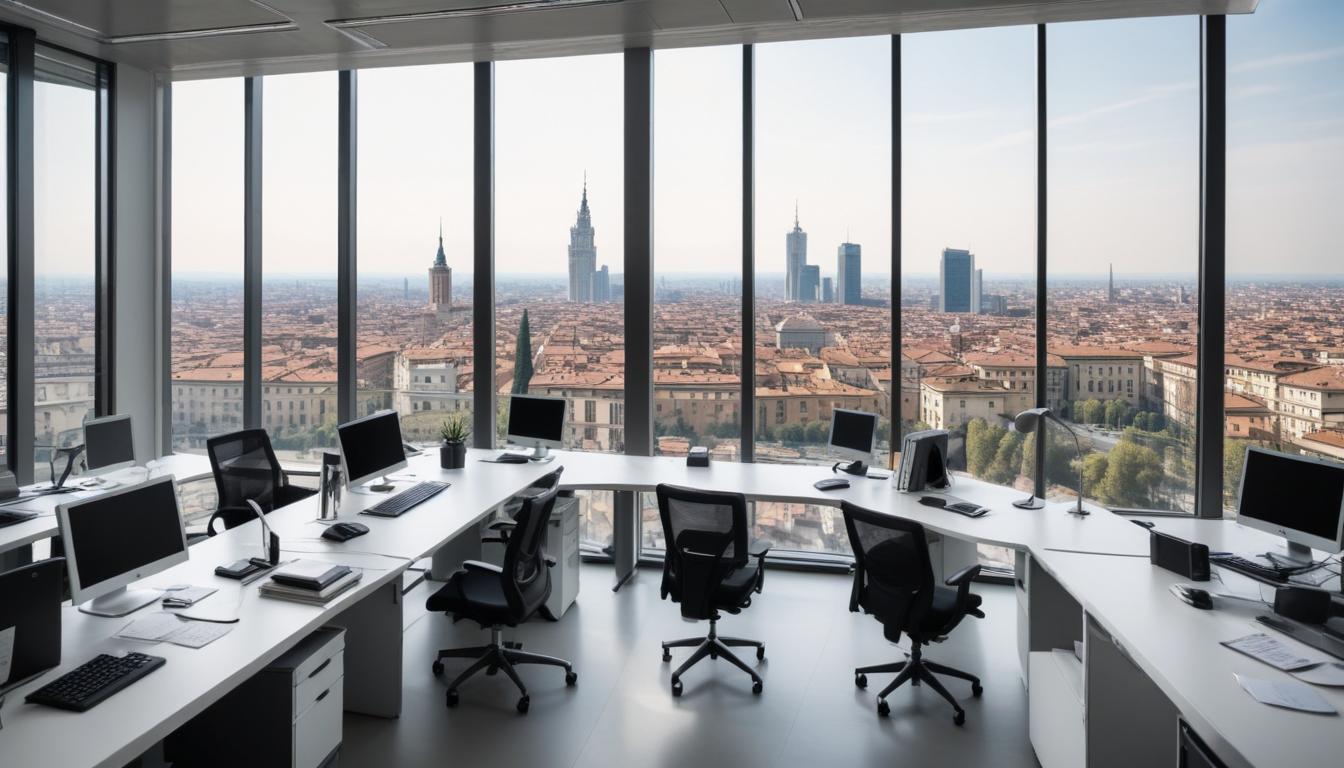
Milan Attracts Supply Chain Hubs as Companies Flee Trade Tensions
Multinational firms are shifting regional operations to Milan, boosting demand for finance, tech, and logistics talent amid global supply chain disruptions.
Multinational firms are shifting regional operations to Milan, boosting demand for finance, tech, and logistics talent amid global supply chain disruptions.
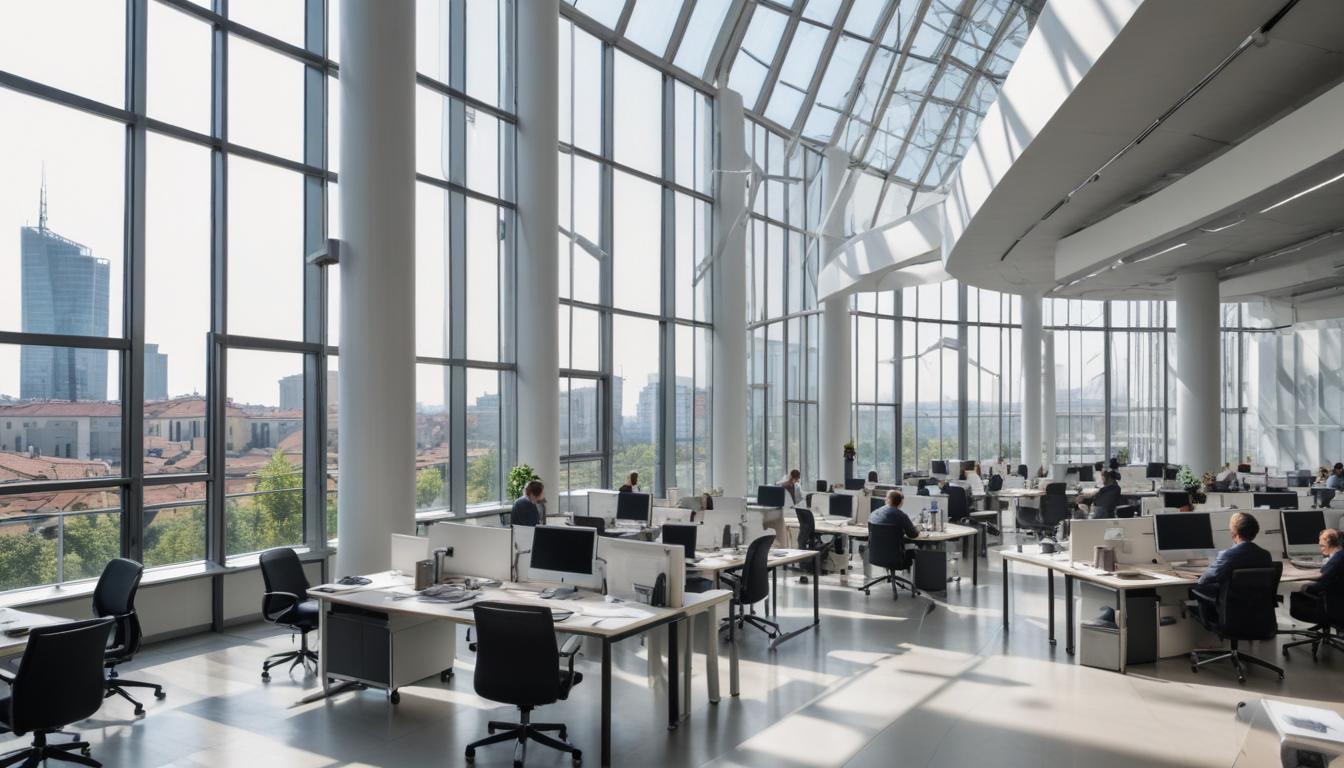
Milan's business landscape is undergoing a seismic shift. As geopolitical tensions roil global trade routes and companies reassess their European footprints, the city is emerging as an unexpected beneficiary—and facing acute talent challenges as a result.
The catalyst is straightforward: multinational corporations, spooked by supply chain vulnerabilities exposed over the past three years, are consolidating their European operations. Milan, with its established financial infrastructure, proximity to major ports, and existing manufacturing networks, has become unexpectedly attractive.
"We're seeing enquiries we simply didn't receive five years ago," says Marco Colombo, director of the Milan Chamber of Commerce, noting that applications for new business registrations in logistics and trade facilitation have surged 34 percent since early 2025. Major firms have announced plans to establish or expand regional headquarters in the Porta Nuova and Garibaldi districts, traditionally dominated by fashion and finance.
The uptick is creating immediate friction in the local labour market. Positions for supply chain analysts, customs compliance officers, and multilingual trade specialists remain persistently unfilled. Salaries for these roles have climbed 18-22 percent in twelve months, according to recruitment firm PageGroup's Milan office. Entry-level supply chain coordinators now command €28,000-€32,000 annually—a 40 percent jump from 2024.
Universities and vocational institutions are scrambling to respond. Bocconi and Politecnico di Milano have expanded intake for programmes in international business and logistics, yet graduates struggle to meet immediate demand. The mismatch is most acute for candidates fluent in Mandarin, Arabic, or Portuguese alongside Italian—languages critical for emerging trade corridors that bypass traditional Atlantic routes.
The phenomenon extends beyond white-collar roles. Manufacturing districts in the Brianza region north of Milan are hiring production supervisors and quality control technicians with international experience at premiums previously reserved for skilled artisans. Firms in Monza and Como report difficulty recruiting workers willing to relocate from southern Italy or abroad.
Not everyone benefits equally. Administrative and mid-level finance roles—Milan's traditional employment backbone—face contrasting pressures. Automation and consolidated regional operations mean fewer positions, even as supply chain roles proliferate. The city's unemployment rate, stable at 6.8 percent overall, masks significant sectoral churn.
Whether this reshuffling proves durable remains uncertain. Proposed EU trade agreements with several African nations could again reorient logistics priorities. Still, for now, Milan's renaissance as a global trade hub is remaking its labour market faster than institutions can adapt—a windfall for specialists, a challenge for generalists.
This article was compiled by AI from the sources linked above and screened before publishing. See our editorial standards.
How does this story make you feel?
Spread the word
About this article
Published by The Daily Milan
Daily brief
Free, in your inbox before 7am. Weekdays.
More in Business