Milan's 60+ Stay Mobile Without Gyms—Here's How
Local seniors build lasting fitness habits through daily walks in parks and neighborhoods. Simple routines beat expensive memberships.
Local seniors build lasting fitness habits through daily walks in parks and neighborhoods. Simple routines beat expensive memberships.

Walk through Sempione Park on any weekday morning, and you'll notice a pattern: seniors moving with purpose, often in pairs or small groups, covering the 386-hectare green space at a steady pace. This isn't coincidence. Over the past five years, Milan's active-ageing movement has shifted from occasional fitness classes to embedded daily habits—the kind that stick because they're woven into existing routines rather than imposed from outside.
The Lombardy Regional Health Authority reported in 2024 that Milanese residents aged 60+ who maintained consistent low-intensity movement showed 23% better joint mobility metrics than sporadic exercisers. The key word: consistent. Not intensive. Not occasional.
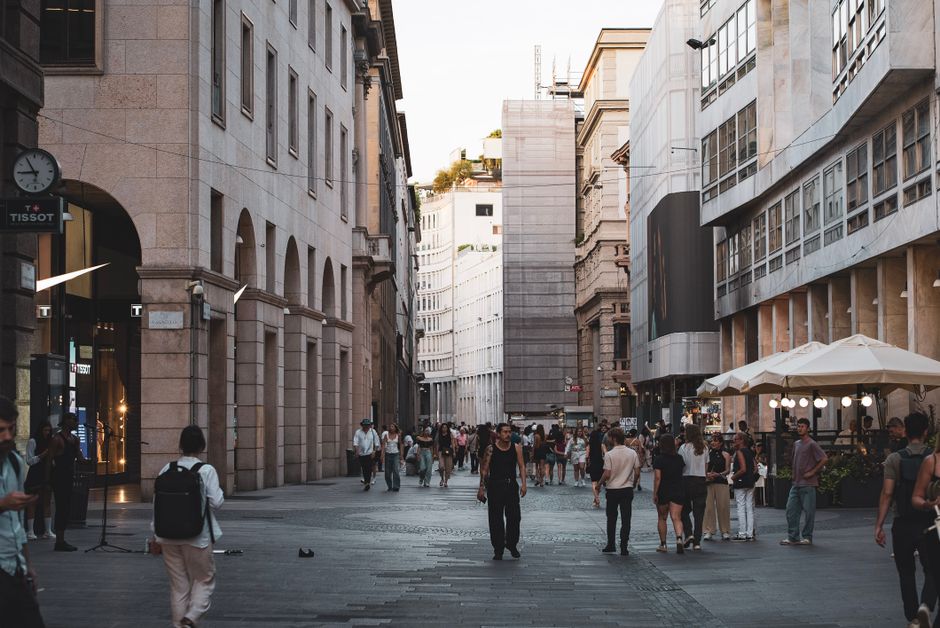
Local physiotherapy centres around Corso Como and the Brera district have noticed a clear trend. Rather than promoting gym memberships—which typically cost €40–65 monthly—successful seniors are anchoring movement to existing social anchors. The aperitivo culture, deeply embedded in Milanese life, becomes a venue for walking: residents meet at bars around Navigli or Porta Ticinese, then walk the canal paths beforehand, turning socialising into active time. The Navigli's 29-kilometre network becomes a natural mobility corridor.
The Associazione Italiana Anziani runs weekly group walks departing from piazzas across Milano—free, community-funded initiatives that cost participants nothing but create accountability. Meeting at the same spot (say, Piazza Gae Aulenti) at the same time establishes ritual. Repetition, not intensity, rebuilds lower-body stability and confidence in uneven urban terrain.
Neighbourhood grocers matter too. Rather than online shopping, seniors who walk to neighbourhood vendors—the alimentari on Via Torino, the market at Viale Papiniano—accumulate 6,000–8,000 steps daily without framing it as 'exercise.' It's errand completion that happens to be mobile.
Stair use is another quietly powerful habit. Milan's metro and tram system demands navigating stairs; residents who take them rather than lifts build leg strength passively. Local orthopaedic specialists note this correlates with fewer falls among over-65s in central districts versus peripheral areas with more car-dependent lifestyles.
The pattern repeats: anchor movement to something already valued (social connection, shopping, cultural engagement), make it free or low-cost, embed it in neighbourhood geography, and normalise it through visible community participation. These aren't innovations. They're reactivations of how Milanesi already lived before car culture reshaped daily patterns.
The wellness lesson isn't about heroic fitness. It's about designing daily life so that mobility happens by default.
This article was compiled by AI from the sources linked above and screened before publishing. See our editorial standards.
How does this story make you feel?
Spread the word
About this article
Published by The Daily Milan
Daily brief
Free, in your inbox before 7am. Weekdays.
More in Wellness