Milan's tourism sector is experiencing an unexpected slowdown this summer, despite historically strong June-August bookings. Hotel occupancy rates in the Duomo district have slipped to 74% compared to 82% last year, according to preliminary data from the Milan Chamber of Commerce, as geopolitical tensions reshape where affluent international travellers choose to spend their money.
The culprit? A perfect storm of global uncertainty. Escalating U.S.-Iran tensions, Pakistan's military operations near Afghanistan, and ongoing Venezuelan instability have spooked the high-net-worth individuals who typically fuel Milan's luxury tourism economy. These visitors—who account for roughly 35% of the city's international leisure spending—are postponing European trips or redirecting bookings toward perceived "safer" destinations like Switzerland and Portugal.
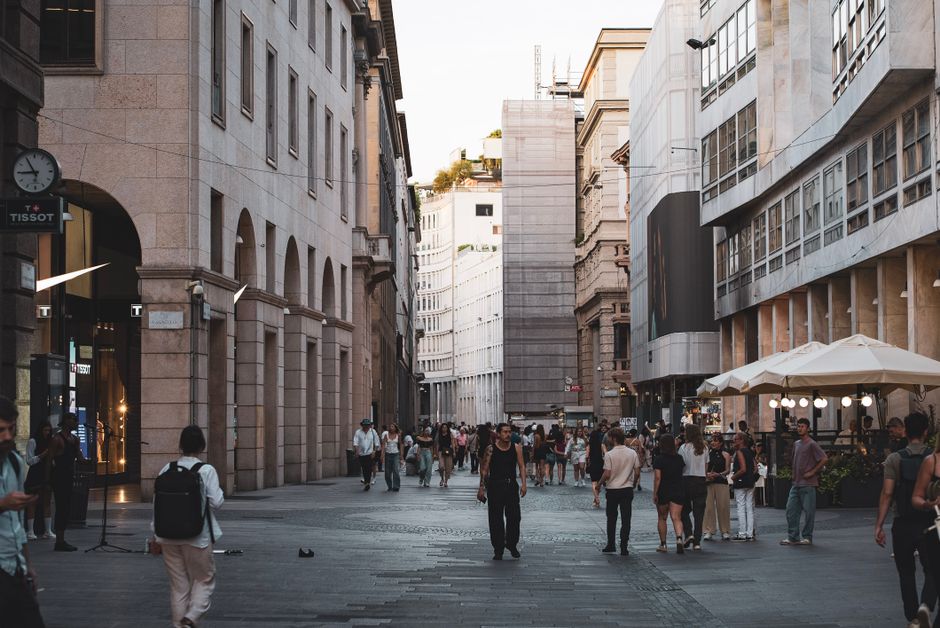
The impact ripples through Milan's core business districts. Boutique hotels along Via Montenapoleone report cancellations from Middle Eastern and Latin American clients, historically significant demographics. Restaurant reservations at Michelin-starred establishments in the Brera neighbourhood are down 12% year-on-year for July, according to hospitality management firms tracking the sector. Even the city's flagship Duomo shopping galleries—which welcomed 7.8 million visitors in 2025—are experiencing softer foot traffic from international shoppers.
"What we're seeing is a flight to certainty," explains the tourism framework: affluent Latin American families, many from Venezuela's diaspora communities, have traditionally spent summer months in Milan shopping and dining. That demographic has contracted sharply. Similarly, Middle Eastern business travellers who combine Milan Fashion Week attendance with extended stays have tightened their schedules.
The Linate and Malpensa airport data tells the story. International arrivals through June remained flat, while domestic Italian flights increased modestly—suggesting locals are compensating for lost foreign revenue.
Yet Milan's business leadership isn't panicking. The city's robust B2B economy—trade fairs, design conferences, and corporate events hosted at venues like FieraMilano—continues humming. Fashion brands using Milan as their global headquarters are maintaining operations and employment.
Still, luxury retailers and hospitality operators acknowledge an uncomfortable truth: their sector's health is directly tethered to global stability. Until Middle East tensions ease and Venezuela's crisis stabilizes, expect Milan's visitor economy to remain under pressure through autumn. Recovery likely depends not on local action, but on headlines improving thousands of miles away.
This article was compiled by AI from the sources linked above and screened before publishing. See our editorial standards.