Milan stands at a decisive moment. With rising anti-foreigner sentiment spreading across the continent and domestic political pressure intensifying, the city's leadership must choose between three competing visions for its multicultural future: deeper integration policies, managed segregation through housing restrictions, or selective immigration based on employment categories.
The stakes are substantial. Milan's foreign-born population has grown from 12% in 2010 to roughly 32% today, concentrated heavily in neighbourhoods like Giambellino, Sarpi, and parts of Città Studi. Rental prices in traditionally immigrant areas—averaging €650 per month in outer districts—have climbed 40% over five years, suggesting both economic revitalisation and displacement pressures that demand urgent attention.
Three critical decisions loom before the city council and regional government by year-end. First, whether to fund an expansion of Italian language and civic integration programmes currently offered through organisations like Fondazione Ismu, which reached just 8,000 residents last year despite an estimated 60,000 adults lacking adequate Italian proficiency. Second, how to address labour market access—currently, roughly 35% of Milan's migrant workforce remains underemployed relative to their qualifications, a figure that strains social services and fuels resentment. Third, planning for housing allocation, as demand for affordable units outpaces supply by a ratio of 4:1 in peripheral zones.
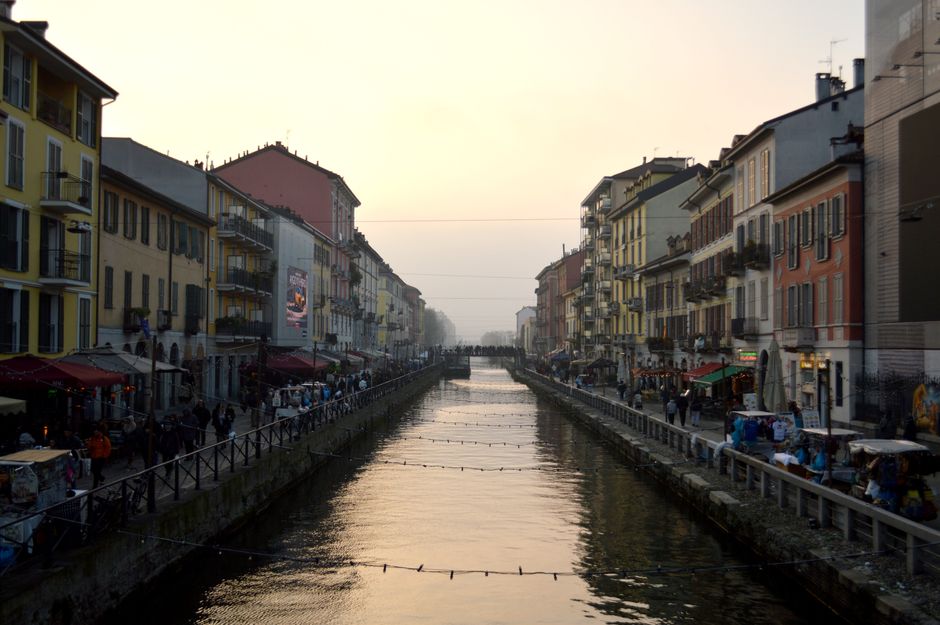
Neighbourhood associations in Navigli and beyond have begun organising, some advocating for tighter controls on newcomers, others pushing for genuine inclusion investment. Business chambers, meanwhile, highlight labour shortages in healthcare, construction, and hospitality—sectors where migrants fill genuine gaps. The Comune faces pressure from both directions.
Experts point to three decision points ahead. Investment in job training and credential recognition could unlock economic integration, reducing competition narratives. Targeted housing policies—incentivising mixed-neighbourhood development rather than concentrated enclaves—require immediate land-use planning. And political messaging matters enormously; leaders in Berlin, Barcelona, and Rome have shown that clear, values-based communication about immigration either defuses or inflames tensions.
The window for proactive policymaking is closing. Waiting passively while anti-immigration movements gain momentum elsewhere in Italy leaves Milan reactive rather than strategic. The city's identity as a global financial and cultural hub depends on these decisions. Within six months, expect clarity on which path prevails.
This article was compiled by AI and screened before publishing. See our editorial standards.