Milan's City Hall Charts New Course on Housing Amid Tight Budget: This Week's Key Decisions
Council votes to fast-track affordable housing projects in Navigli while grappling with a €47 million shortfall in the 2026-27 budget.
Council votes to fast-track affordable housing projects in Navigli while grappling with a €47 million shortfall in the 2026-27 budget.
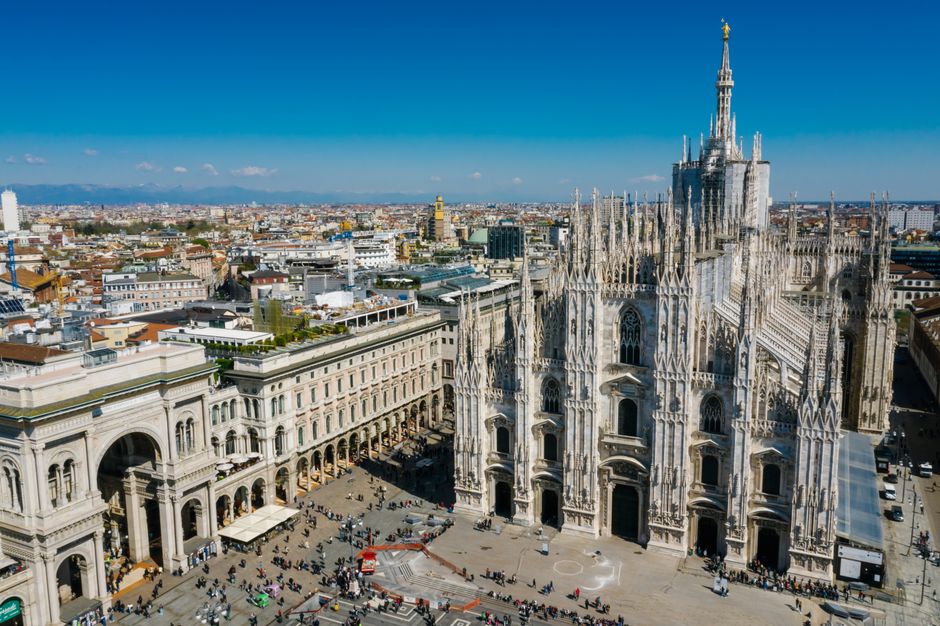
Milan's municipal government moved decisively this week on two fronts that will shape the city's trajectory through the rest of 2026: approving an accelerated timeline for social housing developments while confronting a significant fiscal challenge that threatens core services.
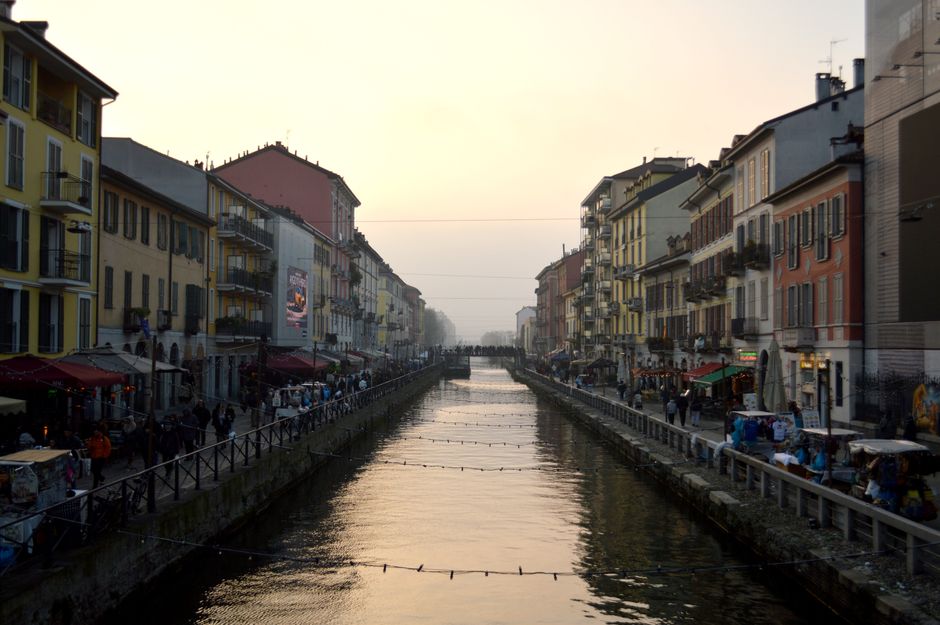
On Wednesday, the city council passed a motion to prioritise three affordable housing initiatives across the Navigli, Isola, and Porta Romana neighbourhoods. The move represents a response to escalating rental pressures—average monthly rents in central Milan have climbed to €1,850 for a two-bedroom apartment, according to municipal data released alongside the vote. The council aims to deliver 320 new mixed-income units within 24 months, a departure from the typical three-to-five-year development cycle that has characterised previous projects.
The decision comes as the city's social services department reported a 12 per cent increase in housing-related assistance requests over the past eighteen months, particularly among families earning between €35,000 and €55,000 annually. Councillors from across the political spectrum cited the figures as evidence that Milan's decades-long prosperity cannot be taken for granted without deliberate intervention.
Yet the optimism surrounding the housing initiative was tempered by grimmer budgetary news. City Hall disclosed a projected €47 million deficit in next year's operational budget, driven partly by inflation in energy costs and municipal wages, but also reflecting declining tax revenues from commercial properties in the Garibaldi and Porta Nuova districts. The deficit forces administrators to consider reductions in discretionary spending, with particular pressure falling on cultural programming and maintenance budgets for public spaces.
A preliminary proposal circulating among councillors suggests modest cuts to Giardini Pubblici upkeep and a 15 per cent reduction in funding for smaller civic centres across neighbourhoods like Lambrate and Affori. Such measures, observers note, represent a marked departure from Milan's recent posture of robust public investment.
The council will hold a public hearing on the budget proposals next week at the Palazzo Marino, Milan's seat of municipal government, inviting resident associations and business groups to submit feedback. The formal vote on final budget allocation is scheduled for mid-July.
Meanwhile, ongoing negotiations between city planners and the Comune's transport authority concerning the proposed Sempione Park pedestrianisation project remain stalled, with no resolution expected before August. The initiative, which would restrict vehicle access to the iconic avenue between Castello Sforzesco and the Arco della Pace, continues to divide business interests in the area.
This article was compiled by AI and screened before publishing. See our editorial standards.
How does this story make you feel?
Spread the word
About this article
Published by The Daily Milan
Daily brief
Free, in your inbox before 7am. Weekdays.
More in News