Milan's Green Week: City Accelerates Sustainability Push with Three Major Initiatives
From electric bus expansion to rooftop gardens in Porta Nuova, this week marked significant progress in the Lombard capital's environmental roadmap.
From electric bus expansion to rooftop gardens in Porta Nuova, this week marked significant progress in the Lombard capital's environmental roadmap.
Milan took decisive steps forward on its sustainability agenda this week, with three major environmental initiatives advancing simultaneously across the city. The developments underscore the municipality's commitment to reducing emissions and enhancing urban green space—goals that have become increasingly central to the city's identity as it positions itself as Europe's green business hub.
The most visible announcement came Monday when Atm, Milan's transport authority, unveiled plans to expand its electric bus fleet by 150 vehicles by September 2027, bringing the total to over 400. The fleet expansion, which will primarily service routes in outer zones including Lambrate and Quarto Oggiaro, represents an €85 million investment. Currently, electric buses comprise just under 12 percent of Milan's total transit network—a figure city officials aim to double within 18 months.
Simultaneously, the Comune di Milano confirmed accelerated timelines for its "vertical forests" initiative, with construction beginning this quarter on two residential towers near Porta Nuova. The mixed-use development will feature over 900 trees and 5,000 climbing plants integrated into building facades, expanding on the model established by the original Bosco Verticale towers completed in 2014. The new structures are expected to absorb approximately 24 tonnes of CO2 annually once fully mature.
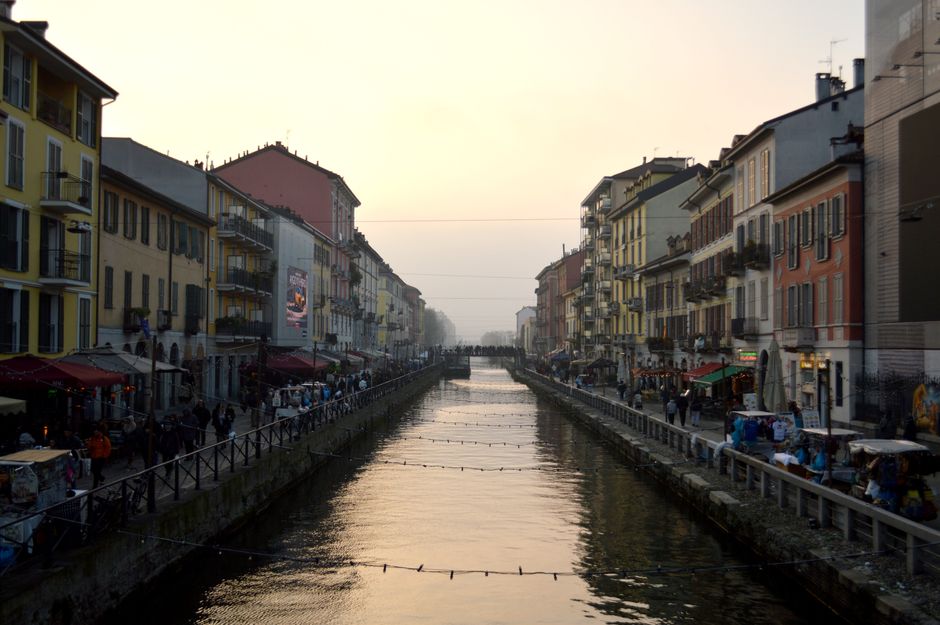
Perhaps most intriguingly, a pilot program launched Wednesday in the Navigli district will test "sponge pavement"—permeable road surfaces designed to reduce flooding while recharging groundwater reserves. The €2.3 million pilot covers 8,000 square meters along Vicolo dei Lavandai and surrounding passages, addressing flooding issues that have plagued the historic neighborhood during heavy rainfall events in recent years.
Environmental groups have broadly welcomed the announcements, though some observers note the initiatives remain modest relative to Milan's 2030 carbon neutrality target. The city currently emits approximately 17.5 million tonnes of CO2 annually, according to municipal data released in April.
These developments arrive as Milan prepares to host the Global Sustainability Summit in October, an event that has intensified pressure on city administrators to demonstrate tangible environmental progress. Whether this week's initiatives represent genuine acceleration or strategic timing ahead of the conference remains a question for observers of Milan's green transition story.
This article was compiled by AI and screened before publishing. See our editorial standards.
How does this story make you feel?
Spread the word
About this article
Published by The Daily Milan
Daily brief
Free, in your inbox before 7am. Weekdays.
More in News