Milan's police and emergency services stand at an inflection point. After a series of high-profile incidents across Centrale, Navigli, and the areas surrounding Stazione Centrale—combined with staffing shortages that have left precincts operating below capacity—city administrators must decide which of several competing reform proposals will actually move forward in the coming months.
The numbers tell a sobering story. The Lombardy regional police force reported a 12% increase in reported crimes across Milan's inner zones in the first half of 2026, with particular concern around mobile phone theft and overnight assaults. Simultaneously, the Polizia Locale's workforce has contracted by nearly 200 officers over three years due to retirements and budget constraints, leaving many neighbourhood stations understaffed during evening hours.
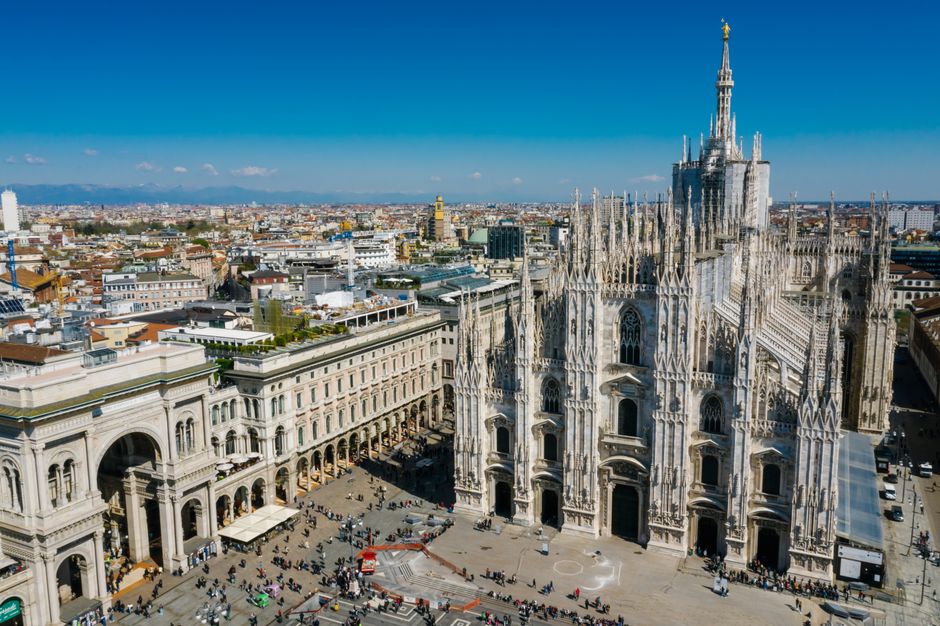
Three major decisions loom. First, whether to accelerate the citywide CCTV expansion programme—currently covering only 34% of the Zona 1 central area—at an estimated cost of €8.2 million over 18 months. Milan's transport authority already operates 3,000 cameras on the metro system; extending similar coverage to Piazza del Duomo, Via Torino, and the Parco Sempione would represent a significant step, though civil liberties groups have raised questions about data storage and access protocols.
Second, the question of how to restructure the coordination between Polizia di Stato, Carabinieri, and Polizia Locale. Currently, three separate command structures operate with limited real-time information sharing. A unified digital dispatch system, tested for six weeks in the Porta Venezia district, showed promise but requires €3.1 million in infrastructure investment and retraining commitments across all three forces.
Third—and most contentious—is whether Milan should hire additional community officers for foot patrols in high-incident neighbourhoods. Proponents argue this approach has worked in comparable European cities; critics note it diverts resources from rapid response capabilities and requires sustained funding that competing budget priorities may not allow.
The municipal administration is expected to present its formal recommendations by mid-September, with City Council votes likely in October. Each pathway carries different implications for how Milan residents experience public safety over the next two to three years. What remains unclear is whether political consensus exists to fund these changes adequately, or whether they will follow the pattern of previous initiatives that launched with fanfare but faced implementation delays and scope reductions.
The window for decision-making is tightening as tourist season approaches and winter brings predictable spikes in certain crime categories.
This article was compiled by AI and screened before publishing. See our editorial standards.