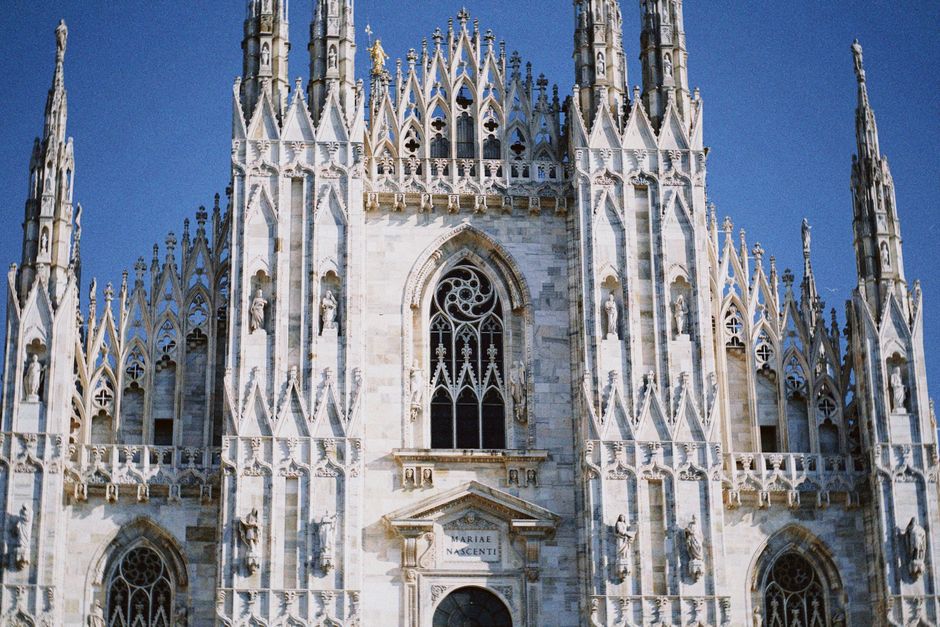
Hundreds of historic and neighbourhood-specific images attached to local business listings, civic websites and tourism platforms across Milan have been silently replaced by stock duplicates over the past eighteen months, according to complaints logged with the Comune di Milano's digital services desk and reported by multiple traders and cultural associations this week.
The timing matters. With the Milan-Cortina 2026 Winter Olympics less than six months from opening, the city's digital shop window is attracting unprecedented international scrutiny. Visitors planning trips to Brera, Navigli or the Porta Nuova district are increasingly relying on image-driven platforms to orient themselves before they arrive. When those images are generic duplicates drawn from centralised stock libraries rather than authentic local photography, the damage is not merely aesthetic — it erodes the commercial identity that Milan's fashion and design economy has spent decades building.
Navigli Traders and Brera Gallery Staff Describe the Problem
Owners of several aperitivo bars along the Naviglio Grande canal noticed the change earlier this year when customer reviews began referencing decor that bore no resemblance to the actual premises. In each case, the listings had been automatically updated by a third-party aggregator pulling images from a shared repository, replacing original photographs with near-identical stock shots sourced from other European cities. A similar pattern has affected at least a dozen artisan workshops in the Tortona design district, the same cluster of streets that hosts Fuorisalone events during Milan Design Week each April.
Staff at the Pinacoteca di Brera on Via Brera have also noted that secondary aggregator sites were displaying interior photographs of different Italian museums under the gallery's name until a formal correction request was submitted in April 2026. The gallery's communications office confirmed the correction was processed but declined to say how long the wrong images had been live. The Fondazione Prada on Largo Isarco — one of the city's most-photographed contemporary arts institutions — lodged a similar complaint with a major mapping platform in early 2026, according to information provided to The Daily Milan by a source familiar with the process, though the foundation itself has made no public statement on the matter.
What the Data Suggests and What Comes Next
Digital rights researchers at Politecnico di Milano published a working paper in March 2026 examining image authenticity on local business listings across five Italian cities. Their analysis found that Milan had a duplicate or misattributed image rate of approximately 23 percent across sampled listings in inner-city neighbourhoods — the highest rate among the cities studied, a finding the researchers attributed in part to the volume of international aggregator activity concentrated on a globally prominent destination. The paper did not name specific platforms.
For small operators, the consequences are measurable. A ceramics studio on Corso di Porta Ticinese reported a 15 percent drop in walk-in customers during February and March 2026, which the owner, in a post on a local traders' forum, linked directly to incorrect images driving foot traffic to the wrong address. The post did not constitute a formal complaint and the causal link remains anecdotal, but it has been widely circulated among Via Tortona and Zona Navigli business associations.
The Comune di Milano's assessorato for digital transformation confirmed in June 2026 that it is in discussion with two major international platforms about an image verification protocol tied to civic business registration data. No formal agreement has been announced. Traders wanting to act now can file a direct correction request through the Comune's Sportello Unico Attività Produttive portal, which processes image disputes alongside standard licensing paperwork. Cultural institutions registered with FAI — the Fondo per l'Ambiente Italiano — also have access to a dedicated media asset channel that can push verified imagery to partner platforms within 72 hours.
The broader resolution will depend on whether those platform negotiations produce a binding protocol before the Olympic influx peaks in late January 2027. Until then, Milan's most distinctive streets risk being illustrated by photographs taken somewhere else entirely.