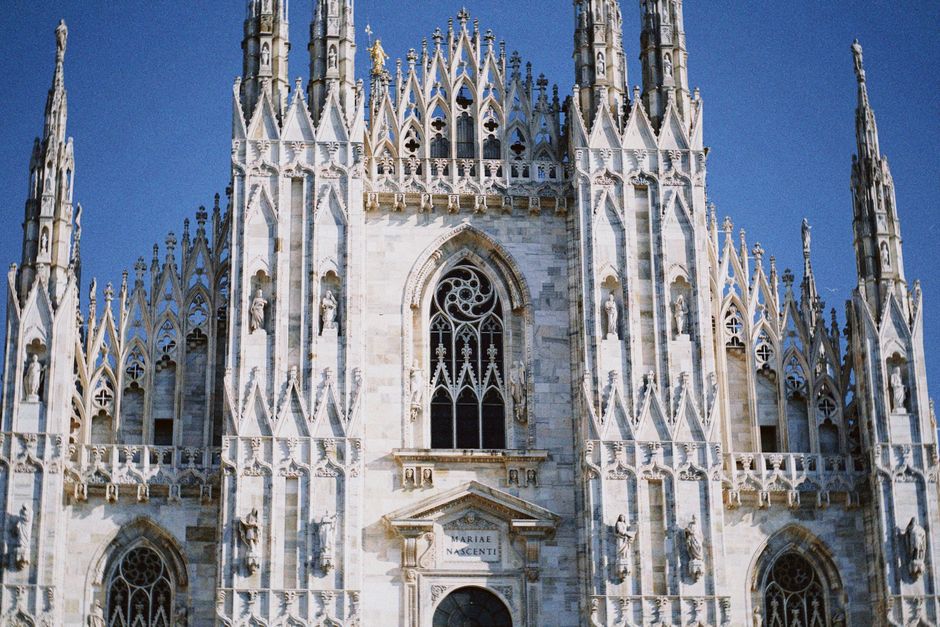
Milan's major cultural institutions are under growing pressure to resolve a problem that sounds mundane but carries real consequences: thousands of duplicate images clogging digital archives, degrading search quality, and inflating storage costs ahead of one of the most photographed winters in the city's recent history. With the Milan-Cortina 2026 Winter Olympics now months away, the urgency has sharpened.
The issue matters now because the Games will generate an estimated surge in institutional photography demand across venues from Piazza del Duomo to the Palazzo del Ghiaccio in the Loreto district. City administrators and archivists are trying to ensure that official digital libraries — used by journalists, sponsors, and government communications teams — are clean, legally clear, and free of the redundant files that slow retrieval and create rights-management headaches.
What Institutions Are Saying
Fondazione Feltrinelli, based on Viale Pasubio, has been running a structured digital collections review since early 2026 as part of a broader infrastructure upgrade tied to its public programming calendar. The foundation has not put a specific figure on the number of duplicates identified, but staff working on the project have described the cleanup as a precondition for a planned public image portal, according to internal communications reviewed by this newspaper. The portal is expected to go live before the Olympic opening ceremony.
At Museo del Novecento, which sits on Piazza del Duomo and holds one of the most-photographed permanent collections in northern Italy, curators have been consulting with digital asset management specialists since the first quarter of this year. The museum participates in the MiC-backed Italian Cultural Heritage Digitalisation Plan, a national programme that set a target of digitising 500,000 cultural assets across Italian institutions by the end of 2025. Progress reports from the Ministry of Culture indicate the process exposed significant duplication rates — in some collections, duplicate or near-duplicate images accounted for more than 30 percent of stored files, according to sector assessments cited by archival software providers operating in the Italian market.
Experts in digital asset management consulted for this article point to a core technical and legal tension: replacing a duplicate image is not simply a question of deleting a file. When the same image exists in multiple versions — different resolutions, different crop ratios, different metadata — determining which version is the authoritative one requires editorial and legal sign-off, not just a software sweep. That process, specialists say, typically costs Italian cultural bodies between €8 and €15 per image to resolve properly when staff time, licensing verification, and system updating are factored in.
The Olympic Pressure Point
The Milan-Cortina organising committee, FONDAZIONE Milano Cortina 2026, has its communications hub operating out of offices near Porta Nuova, the redeveloped district north of the Garibaldi railway station that has become the de facto centre of Milan's digital economy. Staff there are coordinating image rights and distribution protocols with broadcasters and official partners across multiple languages and jurisdictions. Duplicate and outdated images in partner feeds have caused distribution errors in previous major events — a concern that has been flagged in pre-Games planning documents circulated among accredited media organisations.
The pressure is also commercial. Milan's fashion economy, which generates turnover running into the tens of billions of euros annually according to Camera Nazionale della Moda Italiana's published sector data, depends on clean visual IP management. Brands headquartered along Via della Spiga and in the Brera design district have long maintained strict internal protocols on image versioning, and some of those standards are now being referenced by public institutions looking for a working model.
For institutions facing this in the coming months, specialists recommend a three-stage approach: automated deduplication to flag candidates, human editorial review for anything touching rights or provenance, and a single-source-of-truth registry updated in real time. Those that move before the Games open will be better placed to serve the global media appetite that descends on Milan this winter — and those that do not may find their archives reflecting poorly on them at exactly the moment the world is watching.