Milan's New Developments Signal Relief—But Not for Everyone
As major redevelopment projects reshape neighbourhoods from Isola to Porta Nuova, affordability remains the stubborn question.
As major redevelopment projects reshape neighbourhoods from Isola to Porta Nuova, affordability remains the stubborn question.
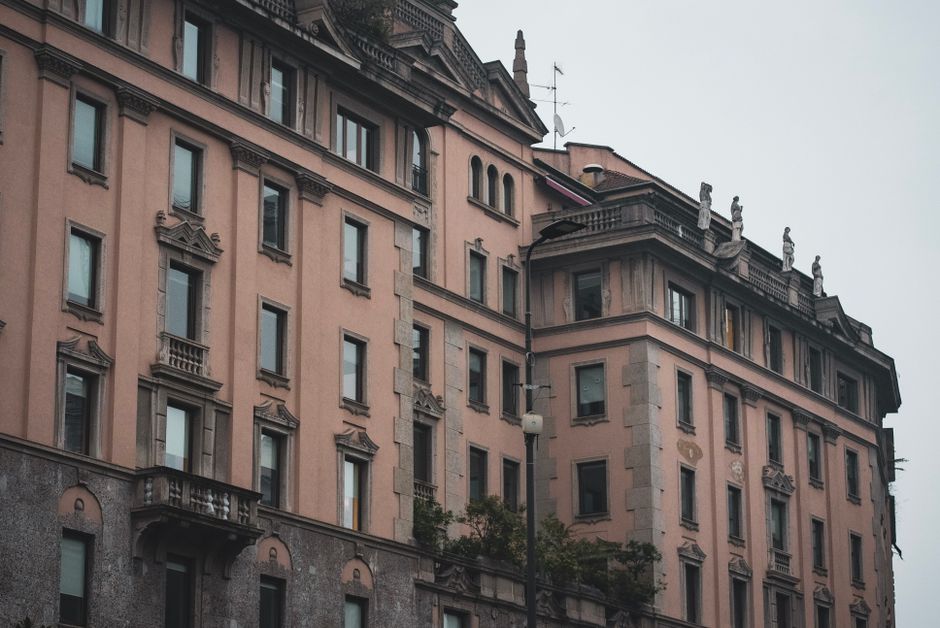
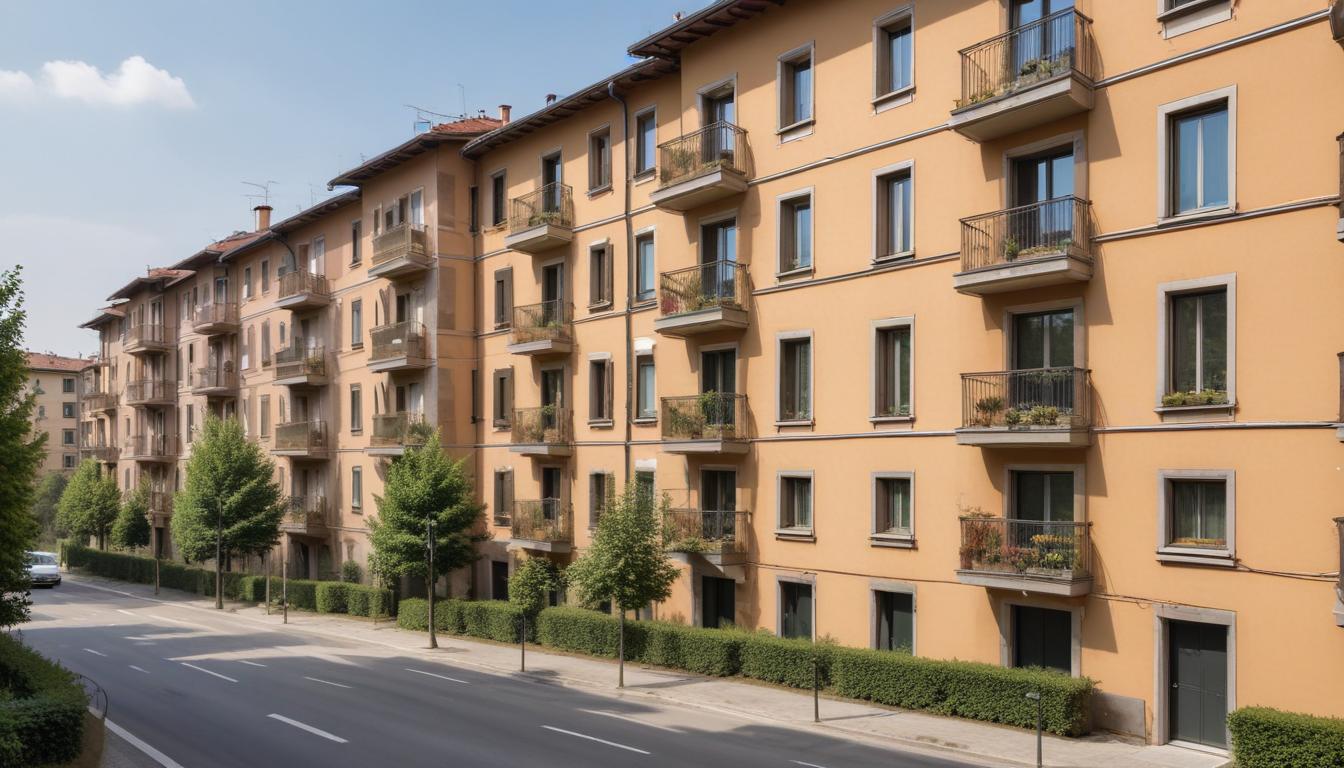
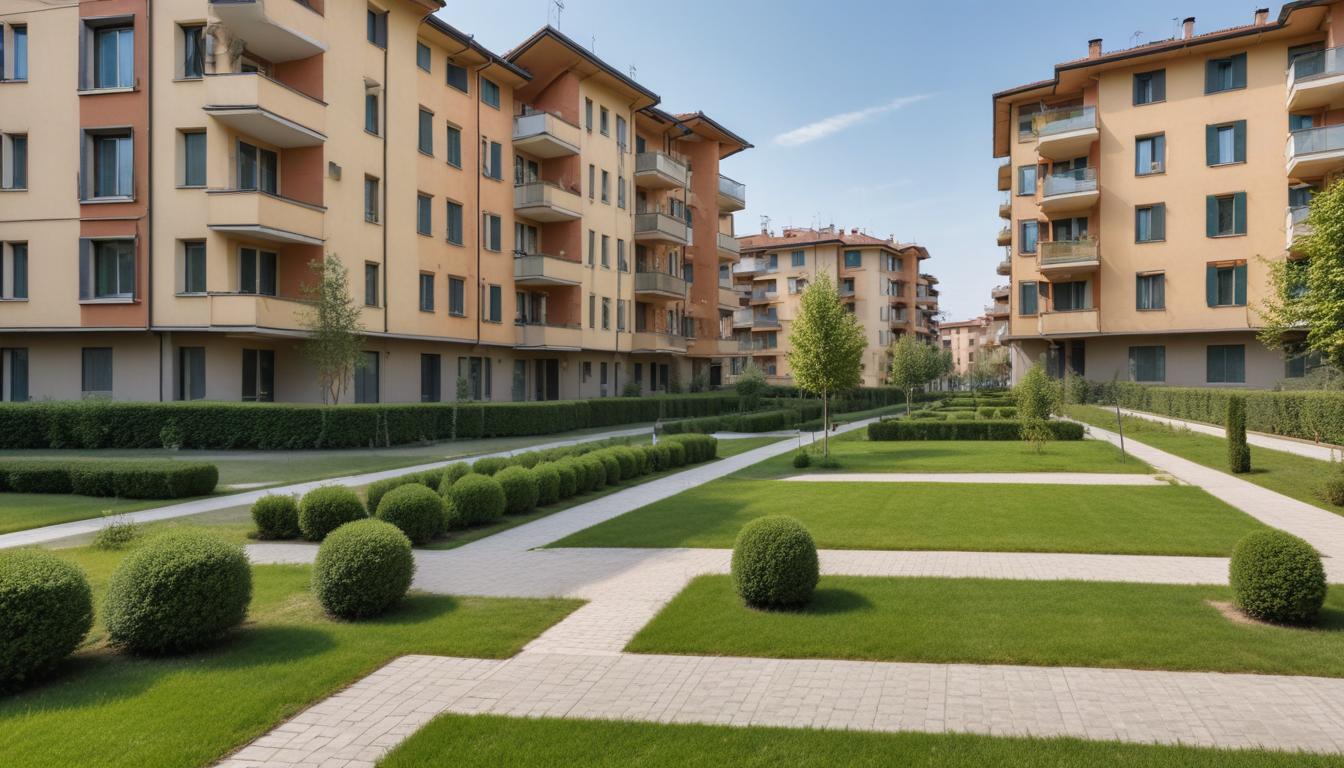
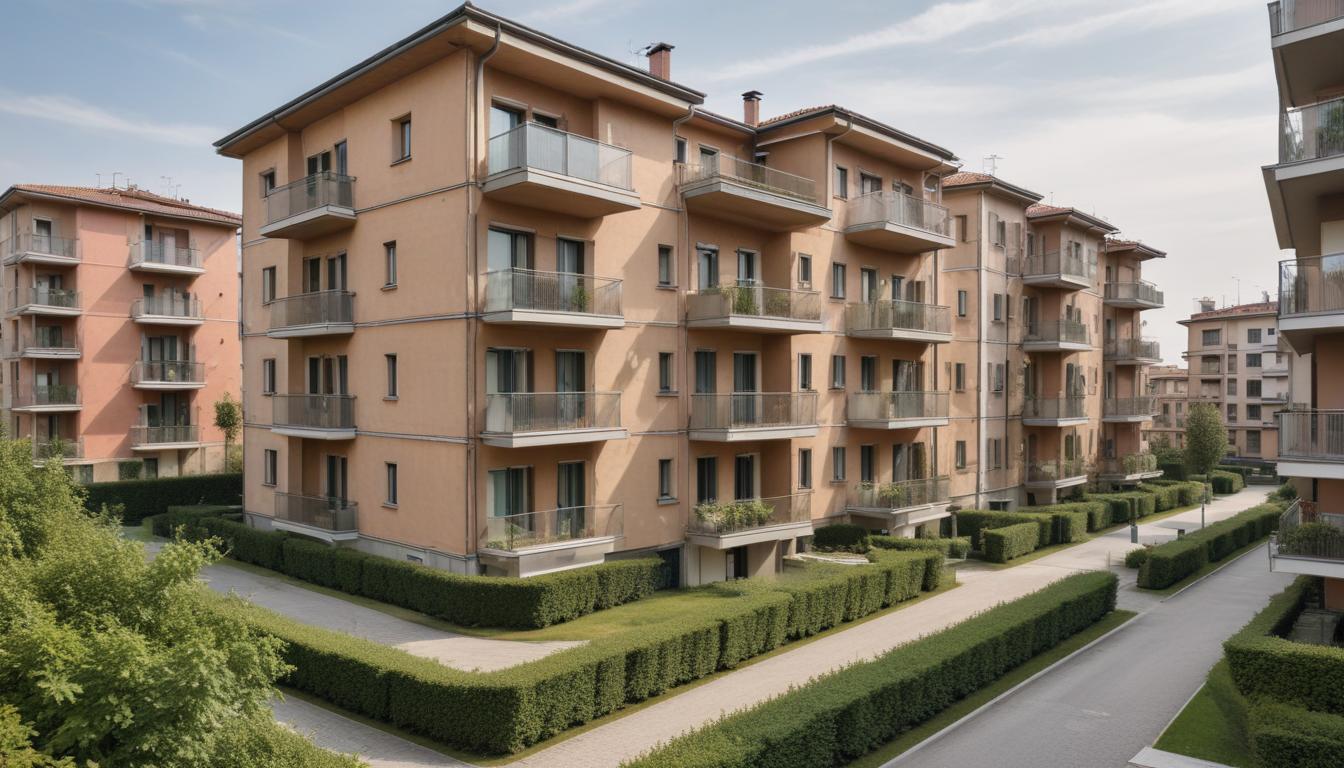
Milan's property market is experiencing a paradox. While ambitious urban regeneration projects promise to unlock new housing stock across the city, the average price per square metre hovers around €5,000—a figure that remains aspirational for ordinary Milanese families despite recent market corrections.
Three significant developments are reshaping the city's landscape this year. The transformation of the former Innocenti industrial site in Isola, long positioned as Milan's emerging creative hub, has attracted considerable interest from both developers and international investors. Simultaneously, the redevelopment of spaces around Porta Nuova continues to command premium pricing, with luxury residential units pushing €8,000–€10,000 per square metre. Meanwhile, the ongoing revitalisation of Navigli-adjacent properties in the Zona Tortona district reflects investors' appetite for what remains comparatively accessible territory.
The challenge is mathematical. While these projects add approximately 2,500 new residential units to the market annually, the demand—driven partly by Milan's status as Europe's fashion capital and a magnet for finance professionals—continues to outpace supply. Entry-level one-bedroom apartments in emerging neighbourhoods like Nolo and Isola now command €350,000–€450,000, a sum that strains first-time buyers despite generous mortgage conditions.
The Ambrosiana Foundation and local planning bodies have flagged concerns that new developments, while architecturally ambitious, skew toward mid-to-luxury segments. The Porta Nuova district exemplifies this trend: sleek, modern, undeniably desirable—but fundamentally inaccessible to households earning below Milan's median income of approximately €42,000 annually.
Some relief may come from peripheral projects. Development clusters emerging around the Garibaldi neighbourhood and beyond the Navigli waterfront promise more moderate pricing structures. Yet transport infrastructure and neighbourhood maturity remain variables that determine whether these areas genuinely offer affordability or merely shift the problem outward.
City administrators have begun incentivising mixed-income developments through planning concessions, encouraging developers to allocate 10–15% of units to below-market pricing. Early results from Isola suggest this approach may gain traction, though it remains insufficient to address the structural shortage.
Milan's new developments undoubtedly strengthen the city's competitive position as a global hub. The question for local property watchers is whether they'll ultimately create breathing room for the middle class, or merely accelerate a two-tier market where luxury and precarity coexist in increasingly close proximity.
This article was compiled by AI from the sources linked above and screened before publishing. See our editorial standards.
How does this story make you feel?
Spread the word
About this article
Published by The Daily Milan
Daily brief
Free, in your inbox before 7am. Weekdays.
More in Property