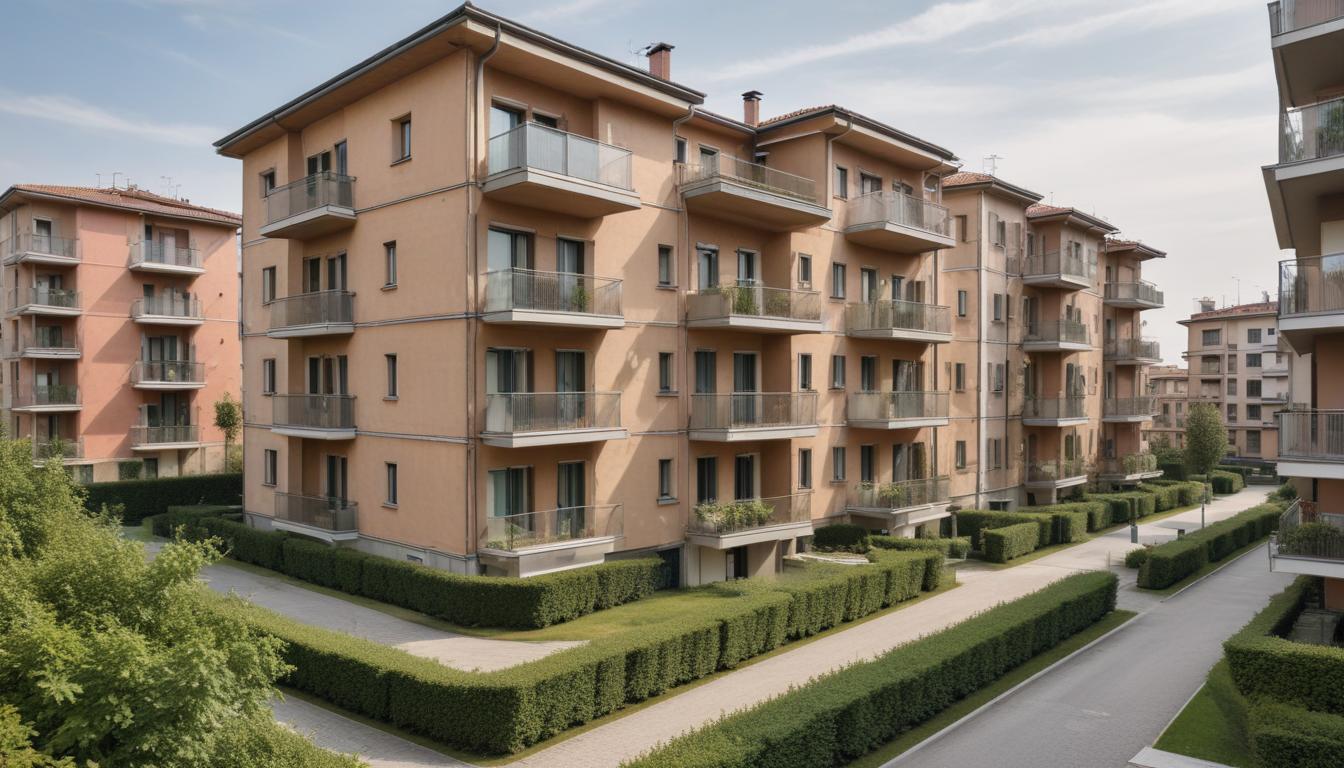
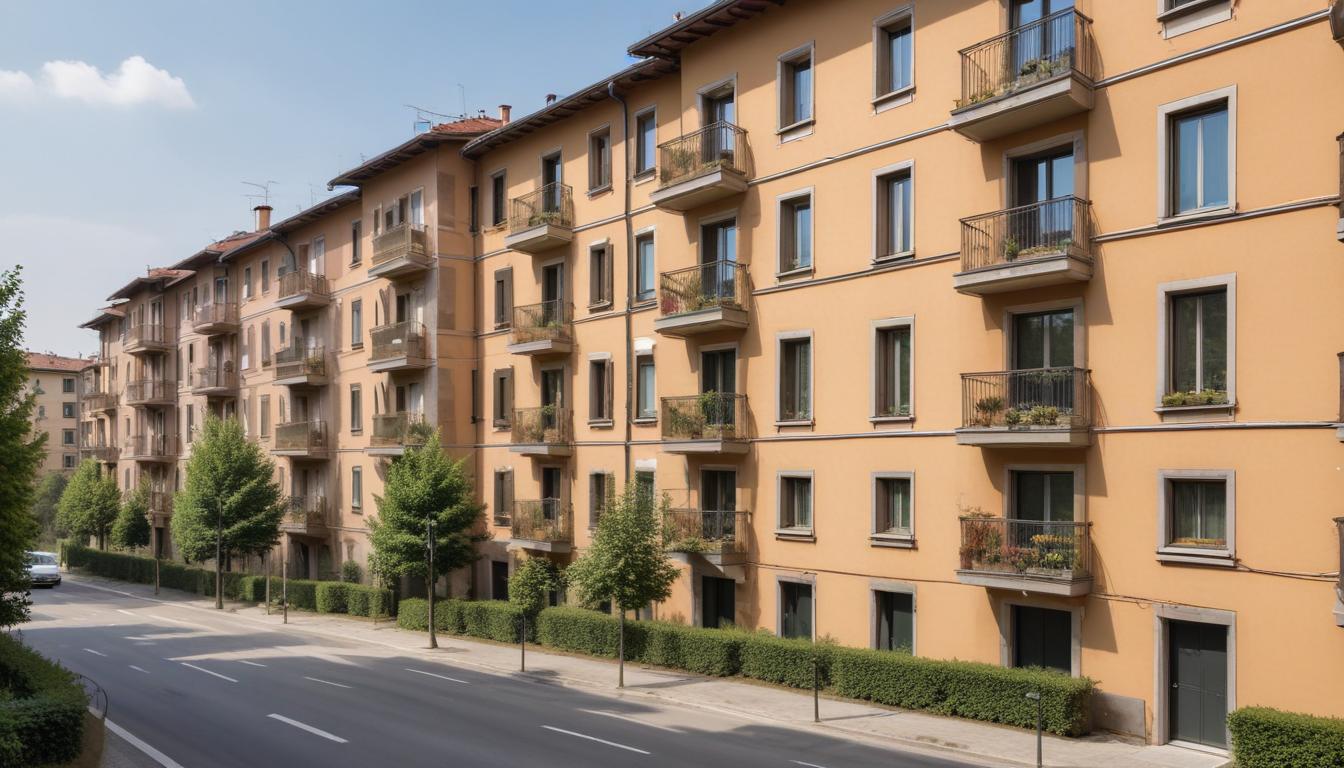
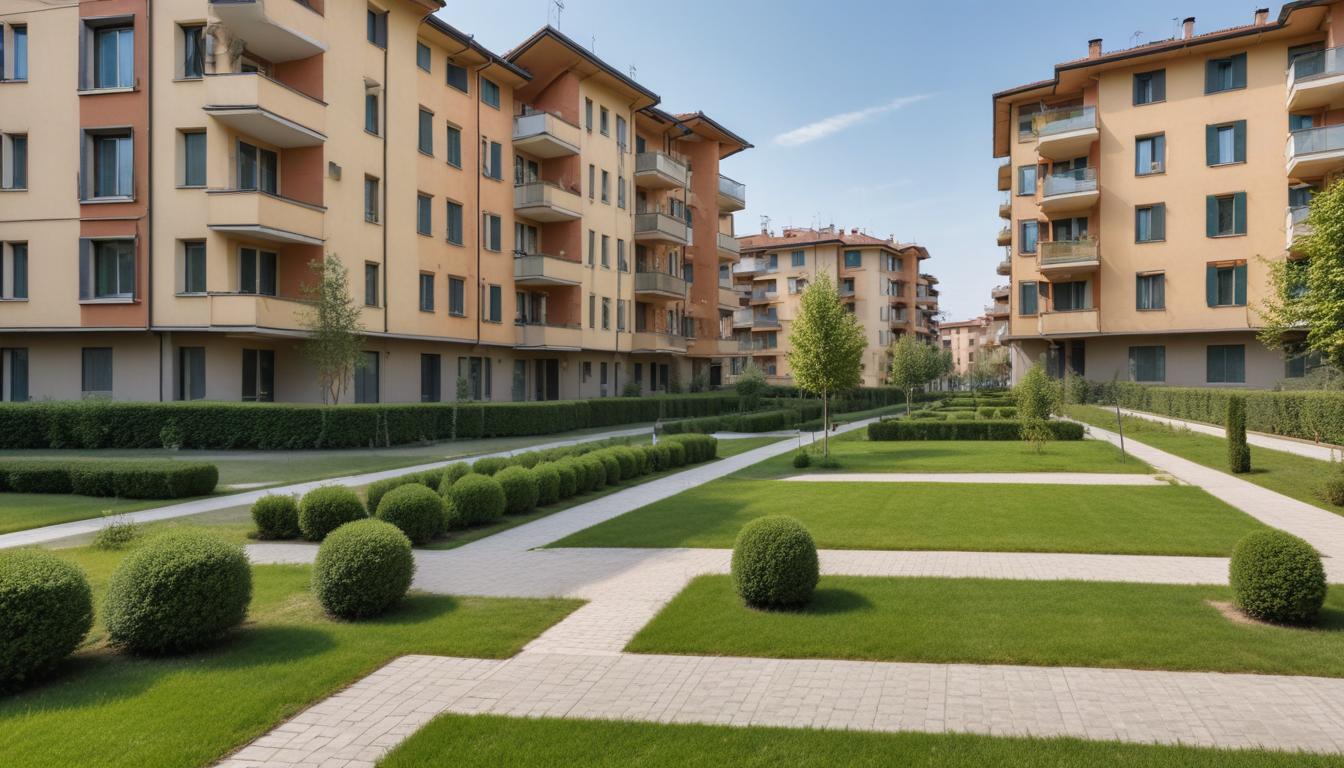
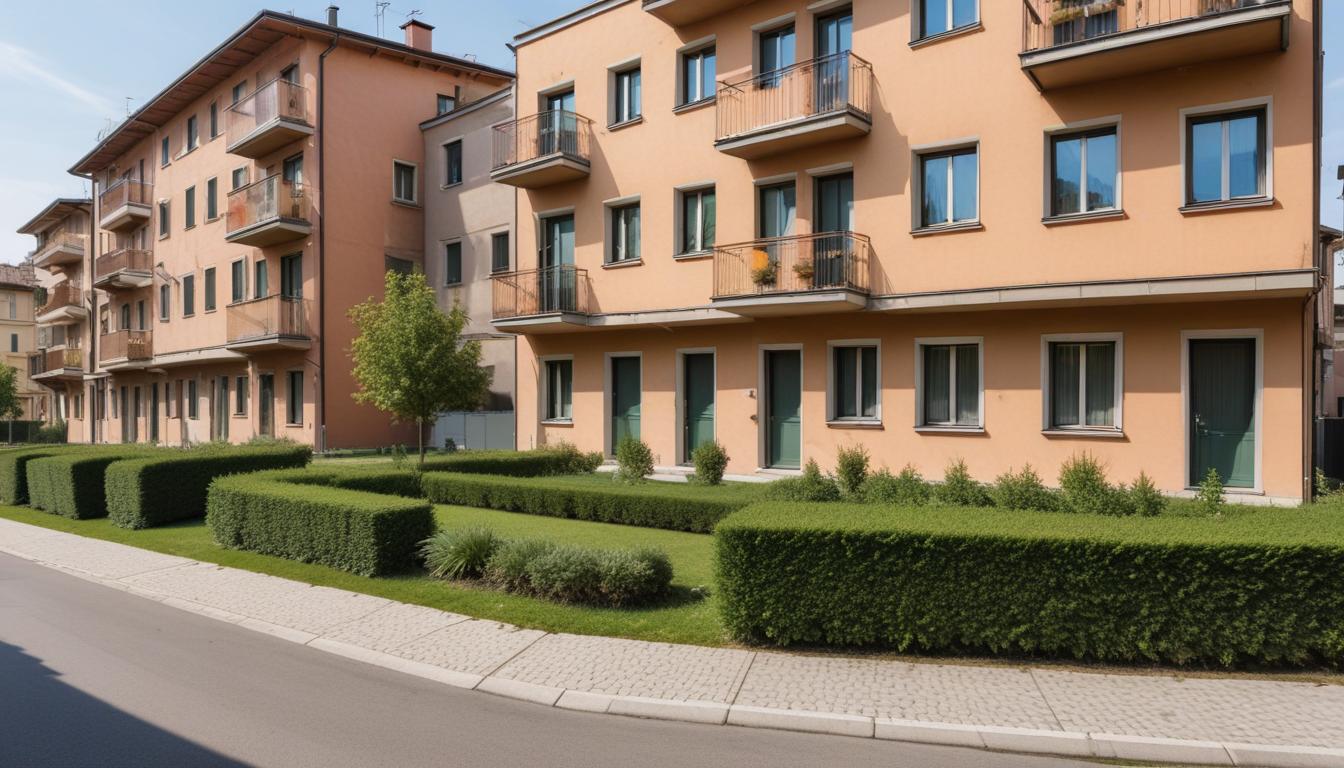
Milan's rental market is experiencing a seismic shift. The city council's updated planning framework, introduced in early 2026, has fundamentally altered how investment properties are assessed, developed, and managed across prime neighbourhoods. For landlords currently holding assets in Brera, Porta Nuova, or the increasingly competitive Navigli corridor, understanding these regulatory changes is no longer optional—it's essential.
The new municipal guidelines impose stricter density limits in heritage zones and mandate affordable housing quotas for new residential conversions. In Brera particularly, where properties command EUR 7,000–8,500 per square metre, developers face tougher conditions when renovating period properties. The Soprintendenza's enhanced oversight has extended restoration timelines by 6–12 months on average, directly impacting yield timings. Yet this has created an unexpected advantage: reduced new supply in the district means existing rental stock has become more resilient, with vacancy rates holding steady at 3–4%.
Navigli presents a different calculus. Once dismissed as up-and-coming, this canal-side neighbourhood is now subject to stricter commercial-to-residential conversion caps. The policy targets oversaturation of short-term tourist lets—a smart move that's already stabilising long-term rental fundamentals. Properties here average EUR 4,800/sqm, and gross yields have risen to 4.2–4.8% as demand from young professionals and design-sector workers outpaces tourism-driven speculation.
Rising neighbourhoods like Isola and Nolo face their own planning shifts. New zoning permits mixed-use development along the Viale Monza corridor, creating opportunities for investors willing to navigate construction phases. Property appreciation here remains strong—up 8.3% year-on-year—despite temporary disruption.
Landlords should prioritise three actions: first, audit existing permits against updated rules to avoid compliance gaps; second, align lease renewal strategies with regulatory timelines, particularly for heritage properties requiring periodic certifications; third, consider portfolio diversification across neighbourhoods, as policy impacts vary significantly. The Comune di Milano's planning portal now offers a transparent mapping tool—consultation is no longer guesswork.
The broader picture? Milan's property market is maturing. Speculative flipping and short-term arbitrage are becoming harder. Instead, disciplined long-term landlords who understand local zoning nuances are positioned to capture steady, defensible returns. For those watching from abroad, Milan's regulatory tightening may look like a headwind. Smart money knows it's actually a filter—one that rewards informed, patient capital.
This article was compiled by AI from the sources linked above and screened before publishing. See our editorial standards.