Milan's fitness landscape has undergone a seismic transformation over the past three years. Walk through the Isola neighbourhood or down Corso Como, and you'll spot gleaming glass-fronted gyms competing for attention alongside fashion boutiques—a tellingly Milanese combination. The city now hosts over 340 registered fitness facilities, with membership surging 34 percent since 2023, according to data from the Italian Fitness and Wellness Association.
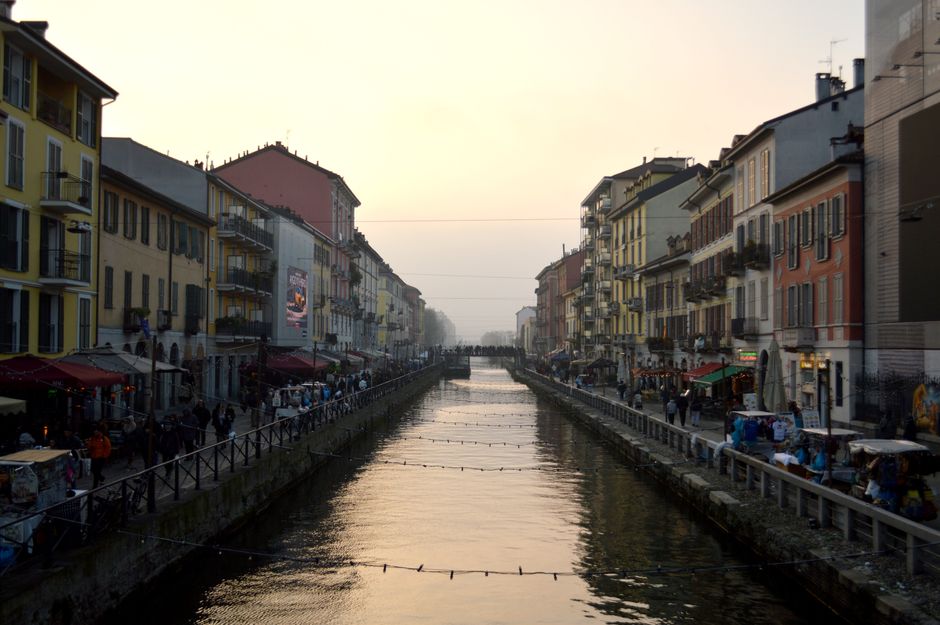
The infrastructure driving this boom reflects Milan's broader identity as a city that invests heavily in quality. Premium chains like Technogym's flagship centre near Porta Nuova showcase cutting-edge equipment and AI-powered training systems that appeal to a demographic increasingly interested in data-driven fitness. Yet the real story lies in how Milan's neighbourhoods have democratised access. In Navigli, converted warehouse spaces now house functional training studios and climbing walls. Brera has seen a proliferation of mid-range facilities offering monthly memberships from €45—undercutting the €120-180 typical of luxury venues in the Duomo district.
The city's investment extends beyond commercial gyms. Milan's municipal sports authority has renovated twelve public sports centres across the metropolitan area, including the renowned Palaghiaccio ice-hockey and multipurpose facility. The Parco Nord cycling network, spanning 68 kilometres, now features eight dedicated training hubs with professional coaching infrastructure. These investments cost the city €28 million over two years—a commitment that reflects how seriously Milan takes its sports infrastructure.
Workplace wellness has further accelerated growth. Major fashion and finance companies headquartered around Via Montenapoleone and the financial district near Garibaldi Station now negotiate subsidised gym memberships for employees, driving membership bundling across neighbourhoods. A typical corporate package costs around €35 monthly per worker—significantly cheaper than individual rates—creating a tide that lifts all facilities.
The trend reflects broader European patterns: cities competing for talent increasingly view fitness infrastructure as essential urban amenity. Milan's particular advantage lies in integration with existing urban fabric. Unlike sprawling suburban complexes elsewhere, most facilities sit within walking distance of metro lines, making training accessible during commutes.
Yet challenges remain. Rising rents mean smaller independent gyms struggle to compete with well-capitalised chains. The proliferation of boutique studios—from pilates to CrossFit—while expanding choice, fragments the market. Still, demand continues outpacing supply. New openings are scheduled for Porta Romana and the expanding Garibaldi area through 2027.
For Milanese, the message is clear: the city isn't just talking about fitness culture—it's building the infrastructure to sustain it.
This article was compiled by AI and screened before publishing. See our editorial standards.