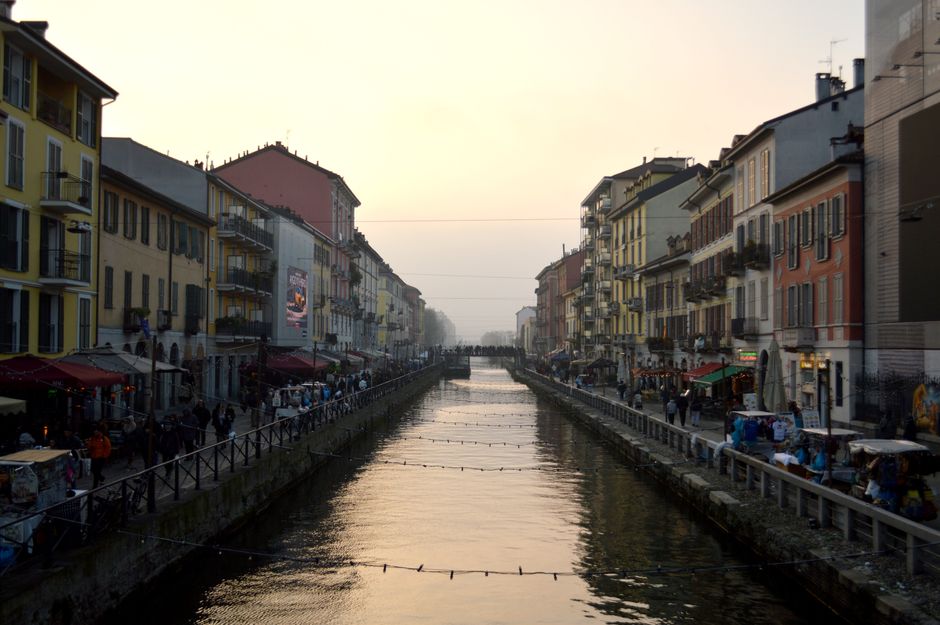
Walk along the Navigli on a Saturday morning and you'll witness Milan's quietly revolutionary approach to swimming and water sports. What began five years ago as a handful of community volunteers teaching children to swim in the city's historic canal network has evolved into a sprawling grassroots movement that now reaches over 4,000 young athletes across the metropolitan area.
The backbone of this movement isn't the gleaming pools of Piscina Cozzi or the state-of-the-art facilities in central Milan. Instead, it's neighbourhood associations, local sports clubs, and determined coaches operating from aging public pools in outlying districts like Lambrate, Quarto Oggiaro, and Barona. These venues—many built in the 1970s and 80s—charge membership fees averaging €180 annually, roughly a third of private club costs. This accessibility has been transformative.
"We've seen participation from families who could never afford traditional aquatic training," explains Marco Rossini, coordinator of the Associazione Nuoto Democratico, which operates three community pools across the city. "Last year alone, we registered 890 new swimmers under 12, predominantly from immigrant and working-class neighbourhoods."
The movement's strength lies in its localized structure. Each neighbourhood cluster operates autonomously, adapting programs to community needs. The Lambrate branch has pioneered synchronized swimming for teenagers, while the Barona outpost focuses on water polo fundamentals for younger children. This bottom-up approach contrasts sharply with Milan's traditional elite sports infrastructure, which historically concentrated resources in the city centre.
Volunteers form the lifeblood of these operations. An estimated 240 unpaid coaches and support staff dedicate weekends to instruction across Milan's network. While funding remains precarious—relying on municipal grants (€850,000 annually) and modest sponsorships—the commitment hasn't wavered.
Recent data underscores the movement's impact. Over the past three years, Milan's grassroots aquatic programs have produced 34 athletes who advanced to regional competitions, with three now training at national youth levels. More significantly, retention rates among participants exceed 65%, suggesting genuine community engagement rather than transient interest.
As Milan positions itself for potential future Olympic consideration, this grassroots network represents something increasingly rare in modern sport: a sustainable, inclusive system built not from top-down investment, but from neighbourhood determination and collective belief that aquatic excellence shouldn't be the exclusive domain of the privileged.
This article was compiled by AI and screened before publishing. See our editorial standards.