Milan's Football Participation Numbers Tell a Story the Stadiums Don't
Fresh registration data from Milanese amateur clubs reveals how the city's relationship with football has quietly shifted from spectating to sweating.
Fresh registration data from Milanese amateur clubs reveals how the city's relationship with football has quietly shifted from spectating to sweating.
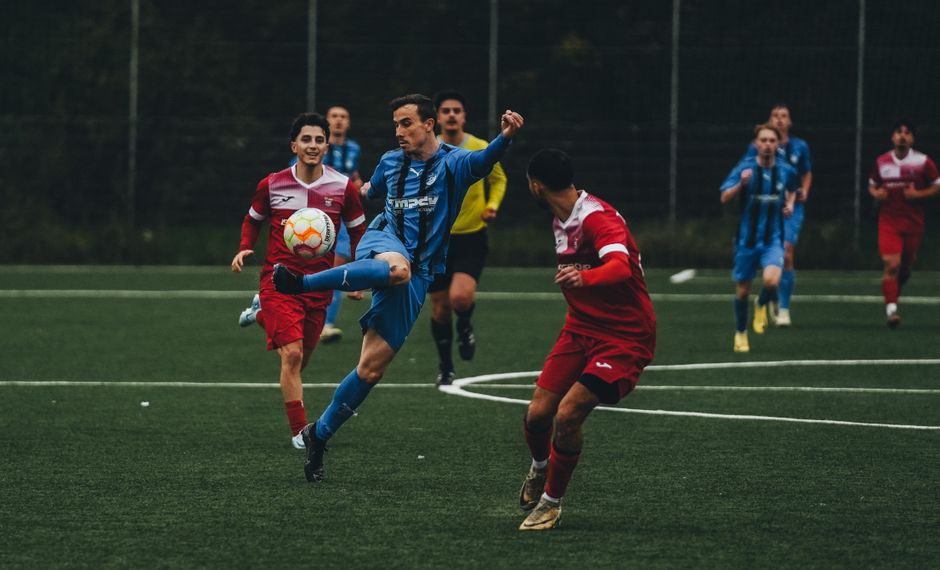
More than 47,000 people registered to play amateur or recreational football in the greater Milan metropolitan area during the 2025-26 season — a figure that represents a 12 percent increase on the pre-pandemic 2018-19 baseline, according to data compiled by the Federazione Italiana Giuoco Calcio's Lombardia regional committee. The number has surprised even club administrators who have spent years trying to rebuild participation after the Covid collapse.
The timing matters. Both AC Milan and Inter Milan are deep into summer pre-season restructuring, with transfer windows grinding through their usual theatre of rumour and negotiation. But behind the headlines about San Siro's future and which Serie A striker is headed where, a quieter and arguably more durable shift is happening at street level across the city's 88 municipalities. Milanesi are not just watching football. They are playing it, in greater numbers than at any point this century.
The growth is not evenly spread. The strongest surges have come from two distinct pockets of the city. The Navigli district, long associated with aperitivo culture and creative industries, has seen three five-a-side centres along the Naviglio Grande corridor report waitlists for weeknight slots stretching into October. Centro Sportivo Brenta on Via Ripamonti, which runs 11 synthetic pitches across its complex, sold out its 2026-27 membership allocation by the second week of June — six weeks earlier than in any previous year on record.
Further north, the Niguarda neighbourhood has become something of a case study. Polisportiva Niguarda, founded in 1948 and affiliated with the FIGC grassroots program Calcio Più, enrolled 340 adult players in its recreational leagues for the spring semester — up from 212 in spring 2024. The club attributes the jump partly to its partnership with the Comune di Milano's Sport4All initiative, which subsidises registration fees for residents earning below €28,000 annually. Membership through that scheme costs €90 per season rather than the standard €210.
The data also reflects a demographic broadening. Women's recreational football in Milan grew by 31 percent year-on-year, with clubs from Lambrate to Bovisa reporting that adult women's teams are now their fastest-growing category. The FIGC Lombardia committee says it expects female recreational registrations across the region to cross 8,000 for the first time by the end of calendar year 2026.
The amateur boom is happening in a city where professional football is simultaneously in a complicated moment. Inter's treble-era core is being gradually dismantled as the club manages financial constraints under the Oaktree Capital ownership structure that took full control in May 2024. AC Milan, meanwhile, has spent much of this summer negotiating its playing identity under head coach Massimiliano Allegri, who returned to the club on a three-year contract in January. Neither club has announced its pre-season friendly schedule for the San Siro, though both are expected to confirm fixtures before 15 July.
What that professional uncertainty has not done is dampen grassroots enthusiasm. If anything, sports sociologists at the Università degli Studi di Milano who track urban fitness culture argue the inverse — that when elite football becomes harder to emotionally access through expensive tickets and fragmented broadcast rights, participation is often what fills the gap. A San Siro Curva Sud seat for a Serie A fixture now averages €65 on the secondary market. A season of five-a-side at a well-run Milanese centro sportivo costs roughly the same.
For anyone looking to get into a league this autumn, the practical window is closing fast. Most affiliated clubs in Milan close their adult registration rolls by 15 September, with the FIGC Lombardia autumn season kicking off the last weekend of that month. Centro Sportivo Rogoredo on Via Giambologna and ASD Calcio Quinto Romano in the western suburbs both still had limited places available as of this week. The Sport4All subsidy applications, handled through the Comune di Milano's online portal at sportpermilano.comune.milano.it, reopen on 1 September.
How does this story make you feel?
Spread the word
About this article
Published by The Daily Milan
Daily brief
Free, in your inbox before 7am. Weekdays.
More in Sport