Milan's Tech Boom Masks Growing Pains: Innovation's Hidden Costs
As the city cements its status as Europe's AI and startup hub, entrepreneurs and policymakers grapple with labour exploitation, data privacy breaches, and environmental trade-offs.
As the city cements its status as Europe's AI and startup hub, entrepreneurs and policymakers grapple with labour exploitation, data privacy breaches, and environmental trade-offs.
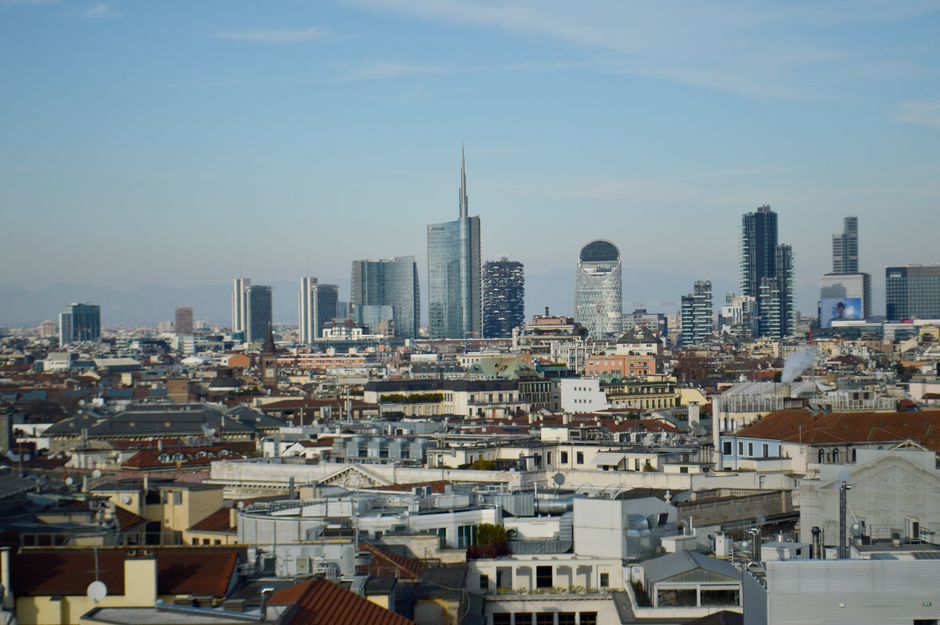
Milan's transformation into a continental technology powerhouse has been remarkable. The Porta Nuova district now hosts over 200 active tech startups, while the refurbished Università Statale campus in the Città Studi neighbourhood has become an incubation epicentre rivalling Berlin and Barcelona. Last year alone, Milan-based companies attracted €1.8 billion in venture capital funding—a 34% increase from 2024. Yet beneath the glossy narratives of innovation lies a more complex reality that the city's boosters prefer to sidestep.
The promise is undeniable. Artificial intelligence firms clustered around Via Torino and Brera have created thousands of high-wage jobs. Machine learning startups are tackling everything from healthcare diagnostics to urban mobility. But venture investors racing to deploy capital are often indifferent to the human cost. A recent audit by the Fondazione Nord-Est found that nearly 60% of Milan's tech firms operate with contracts classifying workers as independent contractors—circumventing standard employment protections and pension contributions. Burnout rates among junior developers in the city exceed 40%, according to unpublished industry surveys. The €35,000-€45,000 entry-level salaries that sound impressive on LinkedIn barely cover rent in neighbourhoods like Navigli or Lambrate, where young professionals cluster.
Data ethics presents another minefield. In May, three separate AI firms operating from co-working spaces in the Zona Tortona admitted to training algorithms on scraped personal data without explicit consent—a practice nominally banned under EU regulations but endemic in Milan's move-fast culture. The fines imposed were negligible relative to the valuations these companies commanded.
Environmental sustainability, too, remains aspirational rather than actual. The server farms powering Milan's AI boom—often located in northern industrial areas—consume electricity equivalent to powering 80,000 households annually. Few startups have published carbon footprint disclosures. Meanwhile, the city's affordable housing crisis has accelerated as venture wealth inflates property values; a one-bedroom apartment in formerly working-class Porta Vittoria now averages €900 monthly.
Matteo Lepore's municipal administration has begun discussing ethical innovation frameworks and stricter labour audits. The Politecnico di Milano's new Centre for Responsible Innovation, launched this spring, signals institutional recognition of these tensions. Yet regulation often lags velocity. As Milan positions itself as Europe's answer to Silicon Valley, the question becomes whether the city can authentically reconcile relentless growth with equitable, sustainable development—or whether it will simply replicate the moral compromises that have already scarred innovation hubs elsewhere.
This article was compiled by AI from the sources linked above and screened before publishing. See our editorial standards.
How does this story make you feel?
Spread the word
About this article
Published by The Daily Milan
Daily brief
Free, in your inbox before 7am. Weekdays.
More in tech