Milan Green Energy Costs: Who Really Pays for Net-Zero
Milan's 2030 carbon neutrality push excludes low-income areas. How the city's solar retrofits and electric buses reveal sustainability's hidden inequality gap.
Milan's 2030 carbon neutrality push excludes low-income areas. How the city's solar retrofits and electric buses reveal sustainability's hidden inequality gap.

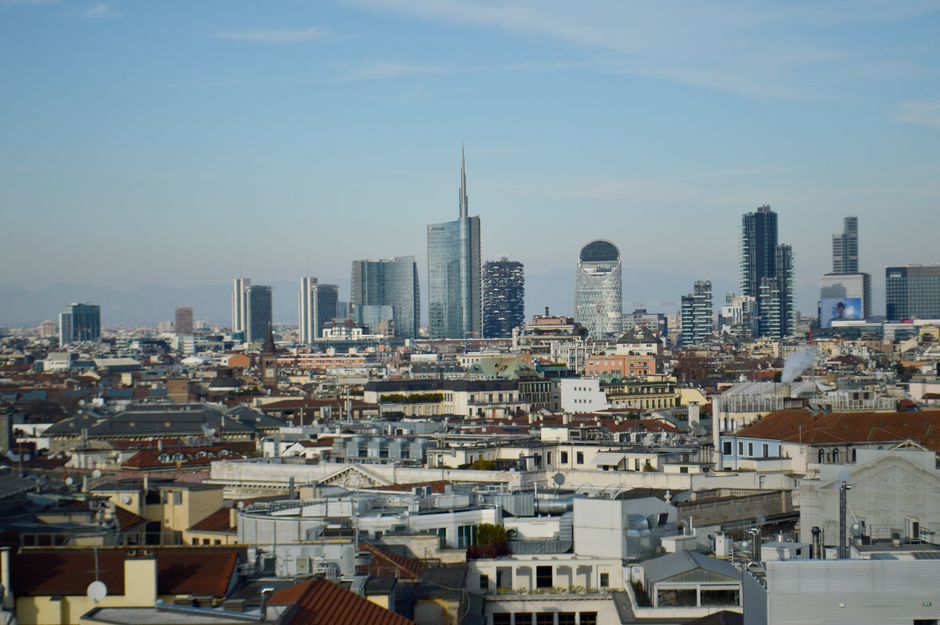
Walk through the Navigli district on any given weekday, and you'll see cranes dotting the skyline—Milan is being remade in the image of a green city. Solar panels glint from retrofitted facades along Corso Como. Electric buses hum through Piazza Duomo. The city has committed to carbon neutrality by 2030, and the tech sector is booming with startups promising to deliver it.
But beneath the glossy sustainability narrative, Milan's green revolution is colliding with messy human realities that the city's boosters would rather not discuss.
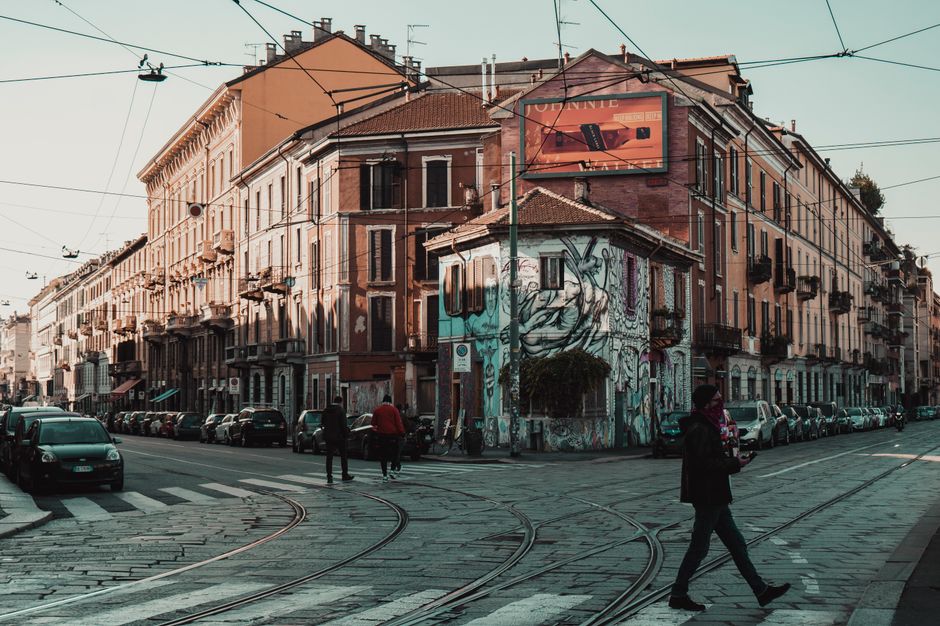
Last month, a report from the Politecnico di Milano revealed that low-income neighbourhoods in the city's periphery—zones like Quarto Oggiaro and Corvetto—are being systematically excluded from green retrofit programmes. While wealthy residents in central districts access EU-subsidised heat pump installations that can cost €12,000 upfront, periphery residents are priced out entirely. The result: a widening inequality gap masked by aggregate emissions data that looks impressive on the city council's quarterly reports.
"We're selling a story that everyone benefits equally," says Stefano Mancia, director of the Policy Observatory at Bicocca University, who has been studying Milan's sustainability implementation. "The data tells a different story."
The mining question looms larger still. Milan's tech firms are designing and deploying solutions that depend entirely on rare earth elements and lithium extracted from conflict zones. Battery startups clustered around Porta Nuova are thriving, but their supply chains remain opaque. One notable local startup, now valued at €380 million, sources cobalt from the Democratic Republic of Congo—where current chaos has left nearly 300 people with Ebola unaccounted for and mining operations largely unregulated.
Then there are the labour practices. Milan's electric vehicle assembly plants offer high wages, but subcontractors in Eastern Europe and North Africa operate under looser environmental and employment standards. The city imports its clean conscience, outsourcing its dirty work.
Sustainability advocates in Milano note these aren't inevitable failures—they're choices. Transparency requirements. Neighbourhood-level equity audits. Supply chain accountability mechanisms. These exist. They're simply not prioritised when venture capital and municipal ambition align.
Milan wants to be Europe's sustainability capital. The question is whether it's willing to be an honest one.
This article was compiled by AI from the sources linked above and screened before publishing. See our editorial standards.
How does this story make you feel?
Spread the word
About this article
Published by The Daily Milan
Daily brief
Free, in your inbox before 7am. Weekdays.
More in tech