Why Milan's Fintech Scene Punches Above Its Weight on the Global Stage
Fashion capital's pivot to financial technology reveals a distinctive ecosystem where legacy banking meets startup agility.
Fashion capital's pivot to financial technology reveals a distinctive ecosystem where legacy banking meets startup agility.

Walk through the Navigli district on any given Wednesday evening, and you'll spot them: clusters of developers, designers, and founders huddled over espressos in converted warehouse spaces, debating API architectures and regulatory frameworks. This isn't Silicon Valley theatre—it's Milan's fintech renaissance, and it's quietly reshaping how the city sees itself.
Unlike London's sprawling financial machine or Berlin's venture-driven chaos, Milan's fintech ecosystem has developed a distinctly hybrid character. The city hosts Italy's banking establishment—Intesa Sanpaolo, UniCredit, and smaller regional players—within walking distance of a new generation of tech talent. This proximity creates something rare: genuine collaboration between centuries-old institutions and three-year-old startups operating out of shared offices on Via Torino.
The numbers tell part of the story. Milan attracted €285 million in fintech venture funding in 2025, a 34% increase from 2024, according to the Italian Private Equity & Venture Capital Association. More notably, the city's fintech workforce has grown 41% since 2022, with salary expectations for senior engineers now hovering around €65,000-€85,000—substantially lower than London or Zurich, yet higher than Eastern European hubs. The mathematics of talent arbitrage favour Milan explicitly.
But the real distinction lies in regulatory pragmatism. Banca d'Italia's fintech sandbox, administered from Rome but actively populated by Milan-based applicants, has proven more agile than equivalents in Paris or Frankfurt. Companies like PayTiP and Satispay—both Milan-born—navigated complex EU payment regulations by maintaining direct dialogue with supervisors. This collaborative approach contrasts sharply with the adversarial stance fintech founders encounter elsewhere in Europe.
The city's identity matters too. Milan built its reputation on design excellence and efficient execution. That sensibility has transferred into fintech product development: Milan's apps prioritise user experience with almost obsessive attention, rarely sacrificing elegance for feature bloat. It's a cultural imprint as distinctive as the fashion industry's.
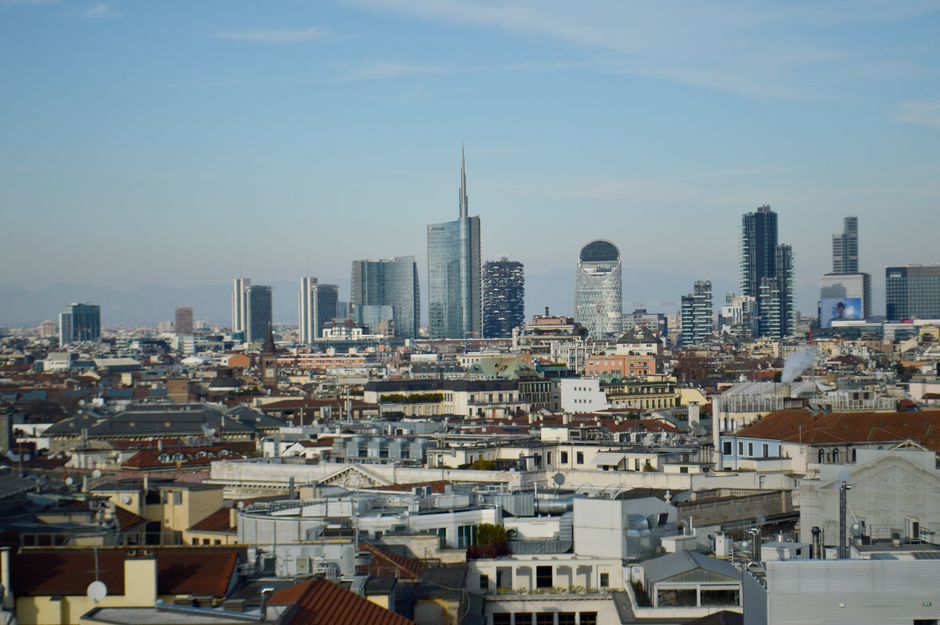
Real estate economics reinforce this trajectory. Tech office space in the Porta Nuova district rents for €250-€400 per square metre annually—half London rates, a third of Zurich's. This affordability allows founders to scale sustainably, retaining equity while remaining profitable longer than counterparts in more expensive cities.
Milan's fintech ecosystem doesn't compete by being first or largest. Instead, it competes on being smarter: combining European regulatory credibility, Italian banking infrastructure, efficient execution culture, and cost advantages into something genuinely distinctive. In 2026, as fintech consolidation accelerates globally, that combination increasingly looks like an asset worth watching.
This article was compiled by AI from the sources linked above and screened before publishing. See our editorial standards.
How does this story make you feel?
Spread the word
About this article
Published by The Daily Milan
Daily brief
Free, in your inbox before 7am. Weekdays.
More in tech