Milan's Digital Wallet Revolution: How Fintech Is Reshaping Daily Life for Residents
From the Navigli to the Duomo, cashless payments and AI-powered banking are transforming how Milanese manage money, cut fees, and access credit.
From the Navigli to the Duomo, cashless payments and AI-powered banking are transforming how Milanese manage money, cut fees, and access credit.
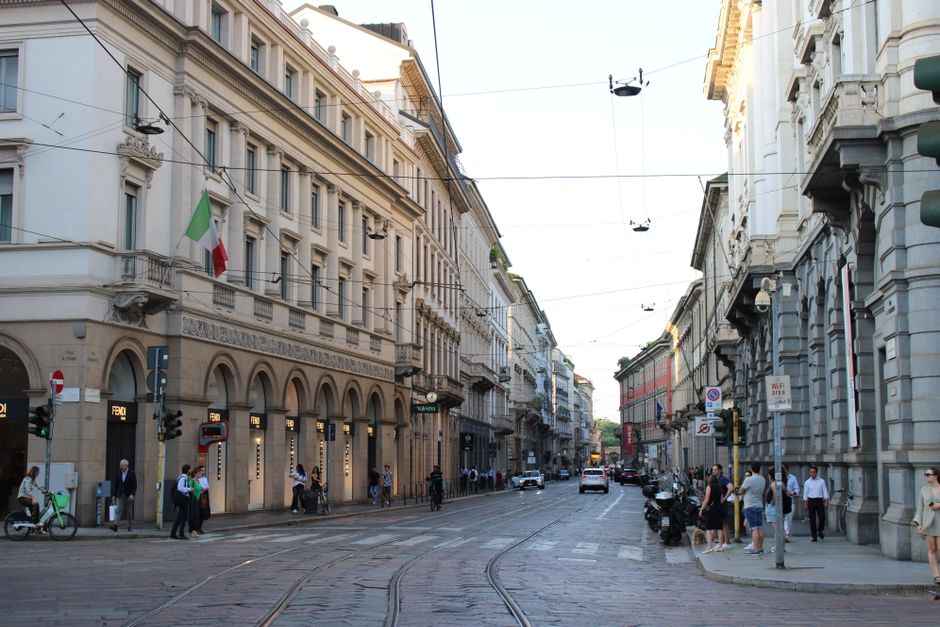
Walk into a neighbourhood bar on Via Torino or grab an espresso at Centrale station, and you'll notice something distinctly modern: cash is becoming an afterthought. Milan, Italy's financial capital, is experiencing a fintech revolution that's fundamentally changing how its 1.3 million residents handle everyday transactions.
The shift accelerated dramatically after 2023, when digital payment adoption in Milan reached 72%—well above the Italian national average of 58%. Today, it's reached 84%, according to recent data from the Milan Chamber of Commerce. Young professionals in Porta Romana are ditching their wallets entirely, while small business owners in the Navigli district are embracing mobile invoicing systems that cut administrative costs by up to 40%.
"The biggest change isn't just convenience," explains the fintech ecosystem thriving around Bicocca and the surrounding innovation hubs. Startups like those incubated at Luiss Enlabs are building hyper-local solutions: apps that split restaurant bills instantly, platforms that let residents invest spare change in Italian bonds, and AI-driven budgeting tools designed specifically for Milan's cost of living. A studio apartment near Monumental Cemetery now costs €650–850 monthly; residents are using these tools to manage rent, utilities, and transportation more efficiently than ever before.
The real impact sits in the margins. Milan's estimated 380,000 small merchants—from the boutiques of Brera to the markets of Viale Papiniano—are cutting payment processing fees from 3.5% to under 1.2% by switching to competitive fintech processors. For a florist processing €2,000 weekly, that's nearly €6,000 saved annually. Banks, responding to pressure, have slashed their own retail fees or eliminated them entirely for transactions under €50.
Perhaps most significantly, fintech is democratizing credit access. Traditional Italian banks historically maintain stricter lending criteria; newer platforms now enable freelancers—Milan's thriving creative class—to access microloans within hours rather than weeks. A graphic designer in Lambrate can now secure €5,000 for equipment overnight through algorithmic underwriting.
There are tensions. Older residents near Duomo remain skeptical of fully digital banking. Privacy concerns linger. Yet the trajectory is unmistakable: Milan's residents are experiencing what economists call "financial inclusion at scale." For a city historically defined by commerce and ambition, fintech hasn't just changed how people pay—it's fundamentally altered the speed, transparency, and accessibility of money itself.
This article was compiled by AI from the sources linked above and screened before publishing. See our editorial standards.
How does this story make you feel?
Spread the word
About this article
Published by The Daily Milan
Daily brief
Free, in your inbox before 7am. Weekdays.
More in tech