FinTech Banking and Financial Innovation: Why Milan's Open Banking Revolution Matters This Month
A Porta Nuova startup is reshaping how Italian SMEs access credit—and it's drawing attention from across Europe.
A Porta Nuova startup is reshaping how Italian SMEs access credit—and it's drawing attention from across Europe.
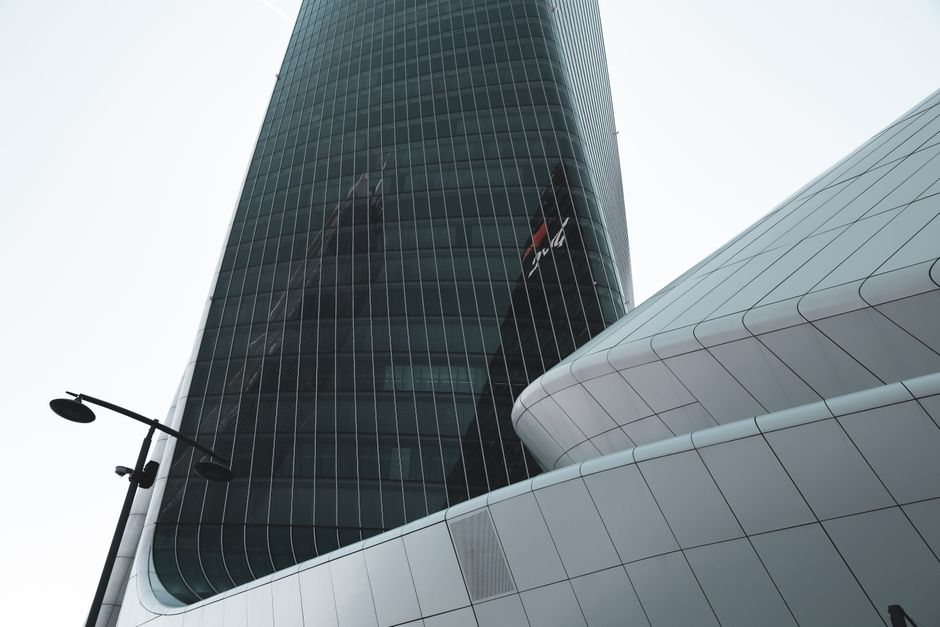
Milan's financial district has always been synonymous with legacy banking. But as global markets navigate fresh geopolitical tensions and economic uncertainty, a quieter revolution is unfolding in the city's tech quarter—one that could reshape how small and medium enterprises access capital across the continent.
The catalyst is a six-year-old fintech firm headquartered near Porta Nuova, which this month secured €28 million in Series B funding from investors including Silicon Valley heavyweights and Banco BPM, Italy's second-largest bank. The company has cracked a persistent problem: SMEs in the Lombardy region still wait an average of 45 days for invoice financing decisions, compared to 8-12 days in Nordic markets. The startup's open banking platform—which aggregates real-time financial data directly from business accounts—has compressed that timeline to 72 hours.
Why now? Italy's SME sector, which accounts for 99.8 percent of registered businesses but chronically struggles with cash flow, faces mounting pressure. Post-pandemic inflation, combined with geopolitical instability affecting supply chains, means working capital solutions are no longer luxury add-ons. They're survival tools. The firm has already processed €156 million in financing this quarter alone, predominantly serving manufacturers, wholesalers, and logistics operators across northern Italy.
What distinguishes this innovation isn't novelty—open banking APIs exist globally—but local adaptation. The platform integrates directly with Italian accounting software (Facturae, TeamSystem) and understands the nuances of Italy's fragmented banking landscape, where regional credit cooperatives still control significant SME lending. It's also built on European data residency standards, a critical advantage given heightened regulatory scrutiny around financial data.
The implications extend beyond Milan. The firm is now expanding to Spain and France, positioning itself as a European alternative to UK-based and US-dominated fintech rivals. For Milan's tech ecosystem—already home to unicorns like Satispay and Nexi—this represents validation that cutting-edge financial infrastructure can emerge from Italy, not merely be imported.
Venture capital is noticing. Compared to London and Berlin, Milan's fintech sector has historically attracted fewer megadeals. But 2026 is shifting that narrative. Three major funding announcements in the Brera and Garibaldi districts since January suggest institutional investors are recognizing Milan's undervalued potential in deep-tech financial services.
For investors, entrepreneurs, and policymakers watching European fintech, this month's milestone warrants attention—not as hype, but as evidence of a region's ability to solve local problems with global ambitions.
This article was compiled by AI from the sources linked above and screened before publishing. See our editorial standards.
How does this story make you feel?
Spread the word
About this article
Published by The Daily Milan
Daily brief
Free, in your inbox before 7am. Weekdays.
More in tech