Walk through Navigli on any Tuesday morning and you'll spot them: developers hunched over laptops at espresso bars, founders taking video calls from street-level tables, teams scattered across a dozen different venues. It's become the accidental coworking model of Milan's tech scene in 2026, and it reflects a profound shift happening beneath the surface of the city's startup culture.
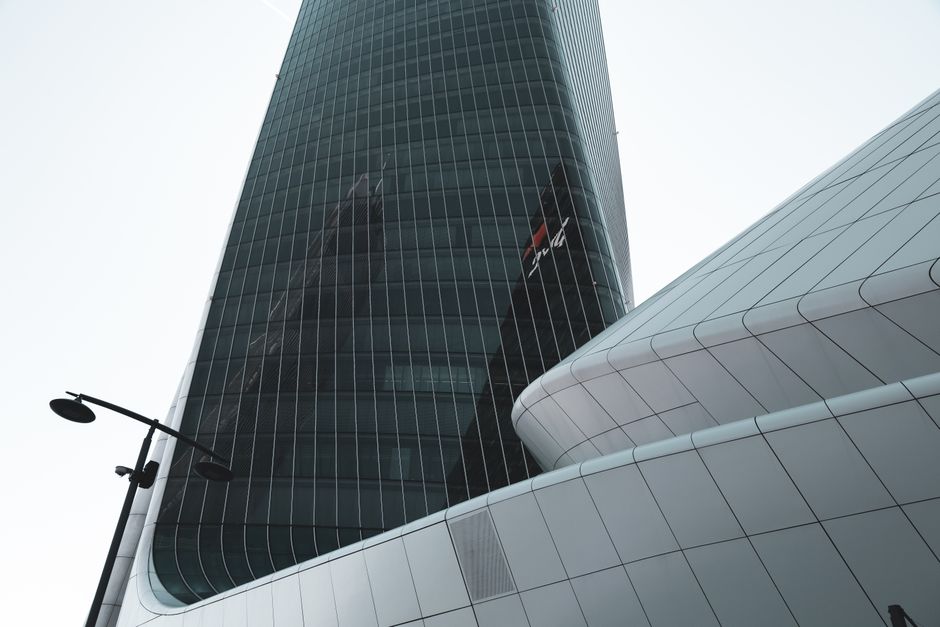
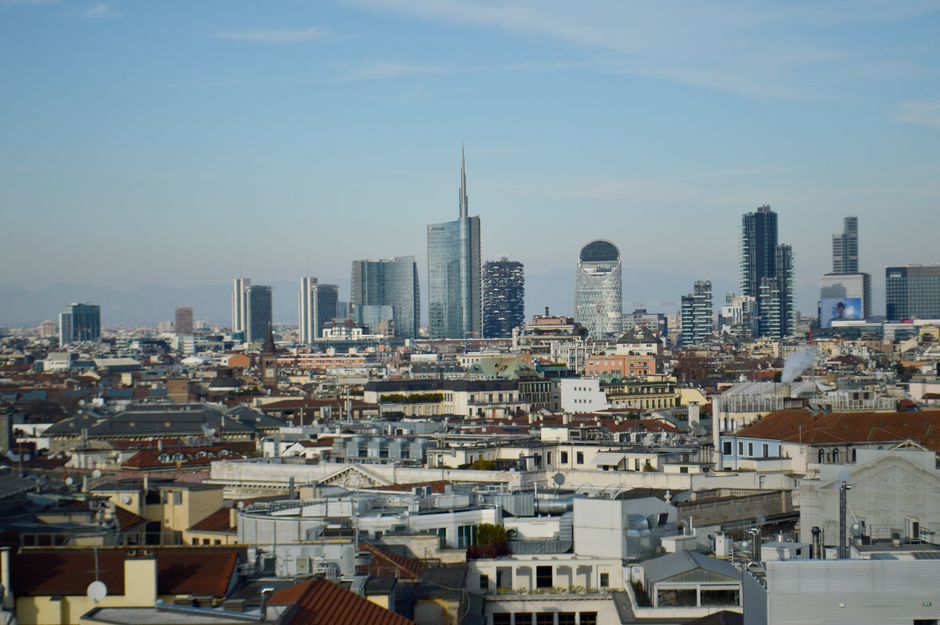
For years, the narrative was simple: remote work had won. The pandemic accelerated a trend that seemed irreversible. But across Milan's innovation hubs—from the Porta Nuova district's gleaming corporate towers to the grittier creative spaces around Bovisa—tech leaders are quietly abandoning the binary choice between full-time office and fully distributed teams.
"We've moved past that conversation," says the sentiment echoing through accelerators like Luiss Enlabs and H-Farm's Milan operations. The data backs this up: according to recent surveys of Lombardy-based tech companies, 67% of startups now use a hybrid model, up from just 38% in 2023. More tellingly, demand for premium coworking space in central Milan has stabilized after two years of decline, with average desk rentals hovering around €350-400 per month in areas like Garibaldi and Moscova.
What's changed isn't the desire for flexibility—it's the *type* of flexibility being demanded. Startups are abandoning long-term coworking contracts in favor of shorter-term arrangements, event spaces, and pop-up venues. WeWork's exit from Milan in late 2024 was symbolic, but the real story is messier: dozens of smaller, hyper-local operators have filled the gap, offering everything from hour-long collaboration rooms to standing-desk forests in converted warehouse spaces.
The shift reveals something deeper about Milan's startup maturity. Early-stage founders still crave the serendipity of shared kitchens and casual collisions—the café culture that defines Milanese life. But as companies scale, they're realizing that sprawling coworking campuses don't replicate that. Instead, teams are clustering in neighborhood hubs: Isola has become a magnet for design and fintech startups, while the Zona Tortona hosts media-tech companies attracted by lower rents and creative adjacency.
Real estate costs remain brutal—a 200-square-meter office near Duomo can run €4,000+ monthly—but smart startups are arbitraging this by taking smaller, strategically located spaces and letting employees work from home three days a week. It's not revolutionary, but in Milan's context, it's pragmatic.
The coworking industry's future here isn't about grand shared offices. It's about a thousand small decisions, made by founders learning that the future of work isn't a place—it's a practice.
This article was compiled by AI from the sources linked above and screened before publishing. See our editorial standards.