Milan's Tech Giants Map Ambitious Roadmaps as Innovation Hub Races Ahead
From AI-powered manufacturing to next-gen mobility solutions, companies across the Porta Nuova corridor reveal what's coming in 2027 and beyond.
From AI-powered manufacturing to next-gen mobility solutions, companies across the Porta Nuova corridor reveal what's coming in 2027 and beyond.
Milan's technology sector is preparing for a significant acceleration, with leading innovators and established players unveiling product timelines that promise to reshape how Europeans work, move, and manufacture. As the city solidifies its position as a continental tech powerhouse alongside Berlin and Amsterdam, insiders say the next 18 months will define the decade.
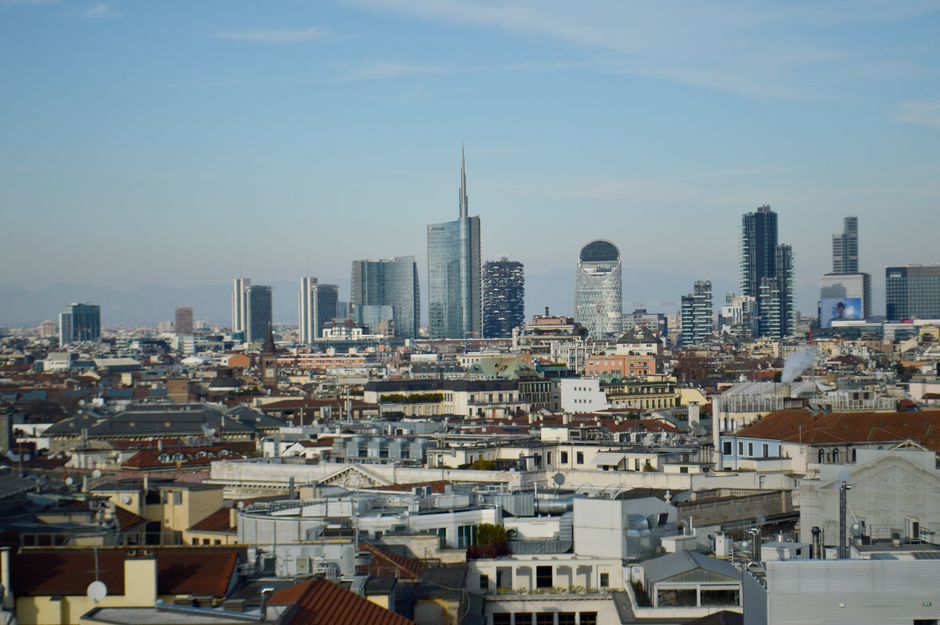
In the Porta Nuova business district, where gleaming towers house some of Europe's most ambitious startups, companies are investing heavily in artificial intelligence infrastructure. Industry analysts tracking venture funding note that Milan-based AI firms raised €420 million in the first half of 2026—a 67% increase year-over-year. Much of that capital targets industrial applications: predictive maintenance systems, supply-chain optimization, and quality-control platforms designed for Italy's manufacturing heartland in Lombardy and Piedmont.
One major focus area emerging across multiple firms is sustainable mobility. Companies operating from innovation hubs around Corso Como and the Garibaldi area are developing electric micromobility solutions and autonomous last-mile delivery systems expected to launch pilot programs across Milan's 181 square kilometers by early 2027. The city's congestion challenges—traffic congestion costs the region roughly €2 billion annually—have created urgent demand for such innovations.
Manufacturing technology represents another critical trajectory. Milan-based hardware and software developers are building next-generation systems for Industry 4.0, targeting the region's €15 billion machinery and metalworking sector. These platforms promise real-time integration between factory floors and cloud systems, enabling smaller producers to compete with larger operations.
The roadmaps also reveal intensifying competition in cybersecurity, with several Milan firms preparing enterprise-focused products aimed at protecting critical infrastructure across Europe. Given increasing geopolitical tensions reflected in recent international developments, demand for localized, EU-regulated security solutions is surging.
Talent availability remains a constraint, however. While Milan's universities and professional schools produce skilled graduates, tech companies report difficulty recruiting experienced machine learning engineers and specialized developers. Several firms have announced remote-work policies extending across the EU to broaden recruitment pools.
Investment climate indicators suggest momentum will continue. Milan's venture ecosystem has matured considerably: co-working spaces from Lambrate to Isola now host over 2,000 active startups, according to regional development agencies. Public-sector support through Regione Lombardia's innovation initiatives has also strengthened, providing tax incentives and research partnerships.
As these products materialize over the coming months, Milan's narrative as a serious innovation destination—beyond its traditional fashion and design heritage—gains further credibility among European investors and technologists watching the space closely.
This article was compiled by AI from the sources linked above and screened before publishing. See our editorial standards.
How does this story make you feel?
Spread the word
About this article
Published by The Daily Milan
Daily brief
Free, in your inbox before 7am. Weekdays.
More in tech