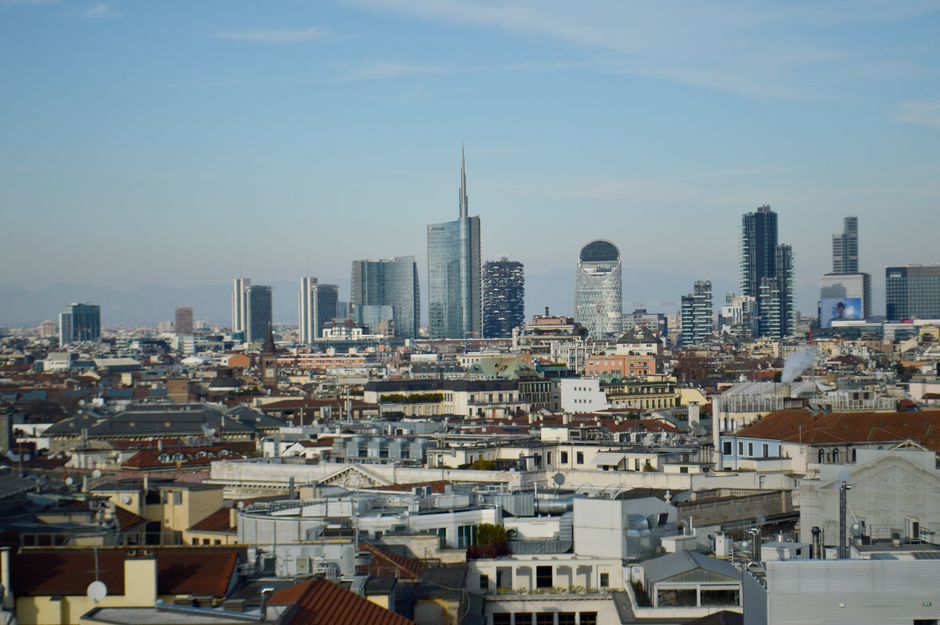
Milan's thriving tech corridor around Porta Nuova and the Garibaldi district is bracing for a significant shift. The next generation of artificial intelligence products hitting the market promises to reshape how local businesses operate—from fashion retailers on Via Montenapoleone to manufacturing firms in the Rho industrial zone.
According to recent surveys of Milan-based tech companies, the primary focus for 2026-2027 centres on three key development trajectories. First, autonomous supply chain management systems are entering beta testing. These platforms monitor inventory, predict demand patterns, and optimise logistics in real time—critical for the region's estimated €4.2 billion fashion and design sector. Several mid-market companies headquartered near the Navigli canal are already piloting these solutions.
Second, industry-specific AI assistants tailored to Milan's core sectors are moving beyond proof-of-concept. Developers are creating tools designed explicitly for furniture design studios, textile manufacturers, and luxury goods companies. Unlike generic AI platforms, these versions understand local production methods, quality standards, and market dynamics. Launch windows for three major platforms fall between Q3 and Q4 2026.
Third, real-time multilingual analytics for international business operations are being refined. Given Milan's status as a global trade hub, companies require AI systems that process data across multiple languages and currencies simultaneously. Beta versions are currently deployed in around 80 firms operating from business parks like those in Segrate.
The financial impact appears significant. Industry analysts estimate that AI adoption among Milan's 12,000-plus registered tech and digital companies could boost productivity by 18-22 percent within two years, potentially adding €800 million to the regional economy. However, adoption remains uneven. Larger enterprises near Porta Garibaldi have greater resources for integration, while smaller design studios and artisans risk falling behind without targeted support.
The Chamber of Commerce and several innovation hubs, including initiatives based at Bocconi University and Politecnico di Milano, are launching upskilling programmes. These aim to help business owners and employees navigate the incoming wave of tools launching this autumn and winter.
What distinguishes Milan's AI trajectory from other European tech hubs is the emphasis on preserving the craftsmanship and human creativity central to the region's identity. Rather than replacing skilled workers, developers emphasise augmentation—freeing designers, producers, and strategists from routine tasks to focus on innovation and quality.
By 2027, the roadmap suggests Milan will have evolved from an AI-curious market to an AI-integrated ecosystem. The next 18 months will determine whether that transition strengthens local businesses or creates new divides.
This article was compiled by AI from the sources linked above and screened before publishing. See our editorial standards.