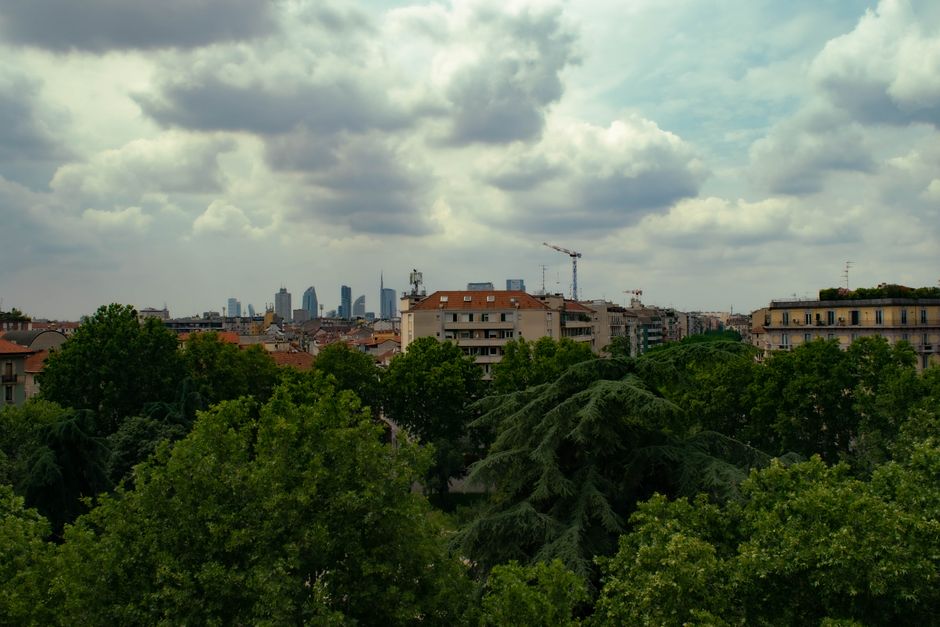
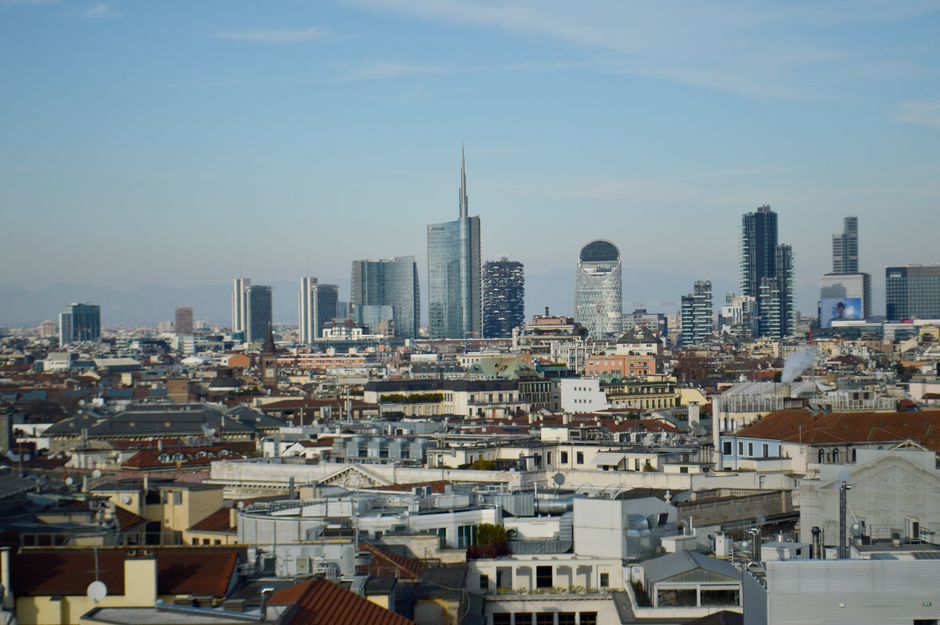
Walk through the Isola district today and you'll notice something that would have seemed unlikely five years ago: gleaming office spaces occupied not by fashion houses or financial firms, but by climate tech companies backed by millions in European and private capital. Milan's transformation into a green technology powerhouse is no accident—it's the result of a deliberate, well-funded shift in how the city positions itself globally.
According to data compiled by local venture capital firms and the Milan Chamber of Commerce, clean energy and sustainability-focused tech companies in the metropolitan area attracted €2.3 billion in investment funding during 2024-2025, nearly triple the figure from 2021. That surge reflects both global trends and Milan's unique position: a city with manufacturing heritage, strong engineering talent pools, and increasingly sophisticated climate ambitions.
The numbers tell a compelling story about scale. Companies like those clustered around the Politecnico di Milano's innovation hubs are attracting rounds from major European climate funds and corporate venture arms. Average seed funding for Milan-based green tech startups has climbed to €1.2 million, while Series A rounds now regularly exceed €8 million—figures that would have been unthinkable in the sector just three years ago.
The geographical concentration matters too. Beyond traditional tech corridors like Porta Nuova, new energy is flowing into neighbourhoods such as Lambrate and Bovisa, where affordable real estate and proximity to the Politecnico have created natural clusters for deep-tech sustainability companies. Real estate prices in these areas have risen 12-15% annually since 2023, driven partly by tech investor interest.
What's driving the capital influx? Italy's €191 billion allocation from the EU Recovery Fund—with an emphasis on green transition—has created tailwinds. But beyond government support, Milan's companies are winning backing from serious climate funds like Breakthrough Energy, as well as traditional VCs pivoting portfolios toward sustainability mandates. Corporate investment from major energy and manufacturing groups has also accelerated.
The ecosystem is still maturing. Unlike Berlin's or Amsterdam's better-established green tech scenes, Milan lacks some institutional infrastructure—though this is changing rapidly, with new dedicated climate venture funds launching quarterly. The city's challenge now is converting capital availability into meaningful innovation and scaled impact.
For Milan, the message is clear: the future tech economy will be defined less by nostalgia for past manufacturing glory and more by the ability to engineer solutions to planetary challenges. The billions flowing into Isola and Lambrate suggest the city has understood the assignment.
This article was compiled by AI from the sources linked above and screened before publishing. See our editorial standards.