Milan's Remote Work Revolution: Where Promise Collides With Ethical Pitfalls
As coworking spaces proliferate across the city, tech workers and employers must grapple with surveillance, inequality, and the hidden costs of flexibility.
As coworking spaces proliferate across the city, tech workers and employers must grapple with surveillance, inequality, and the hidden costs of flexibility.
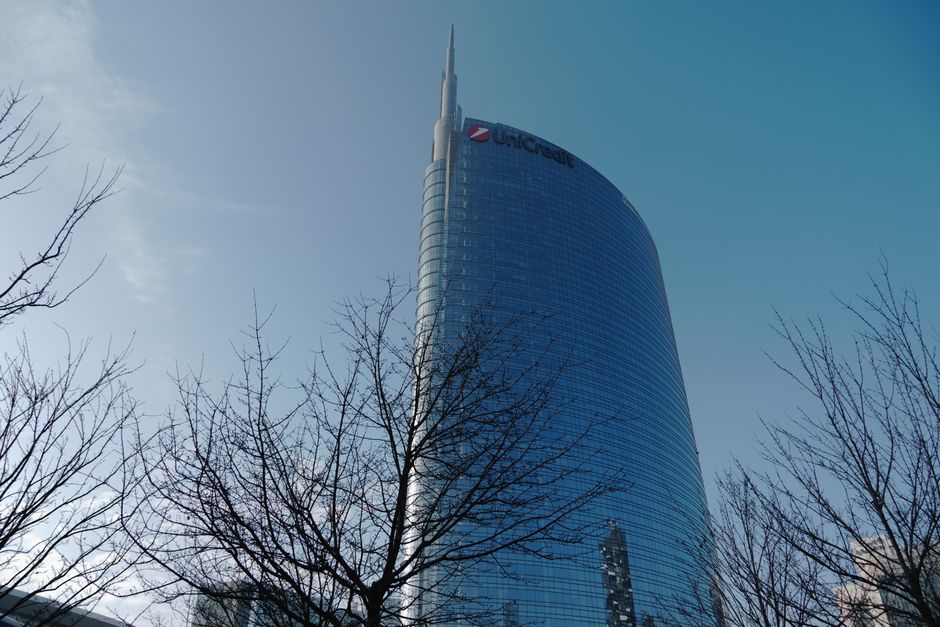
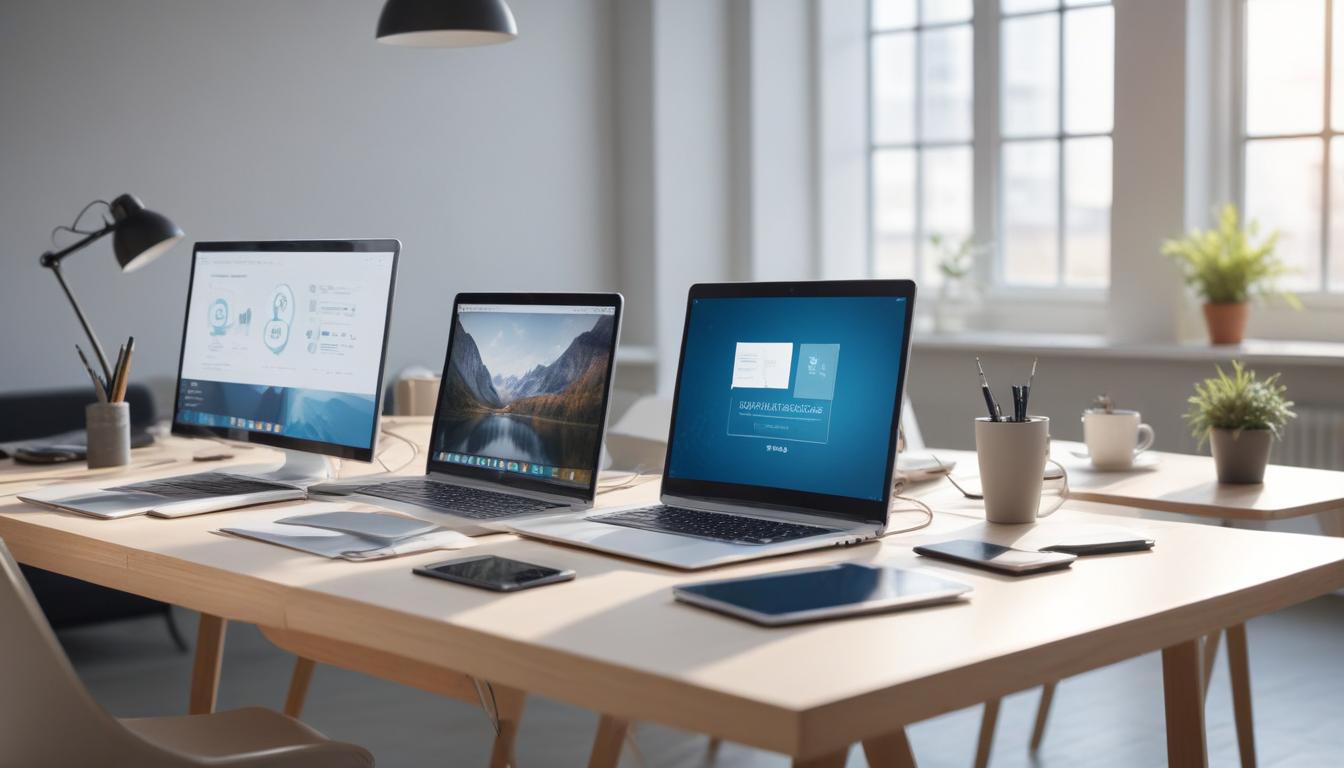
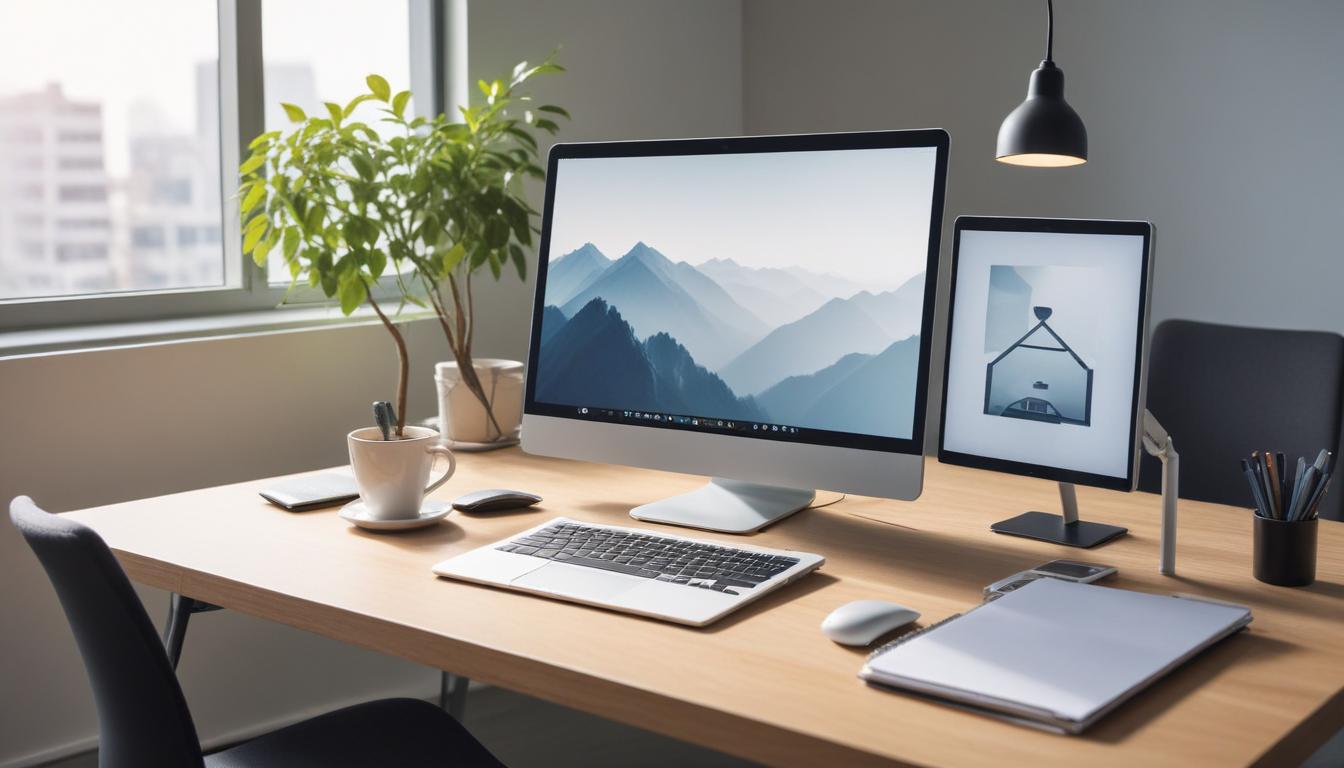
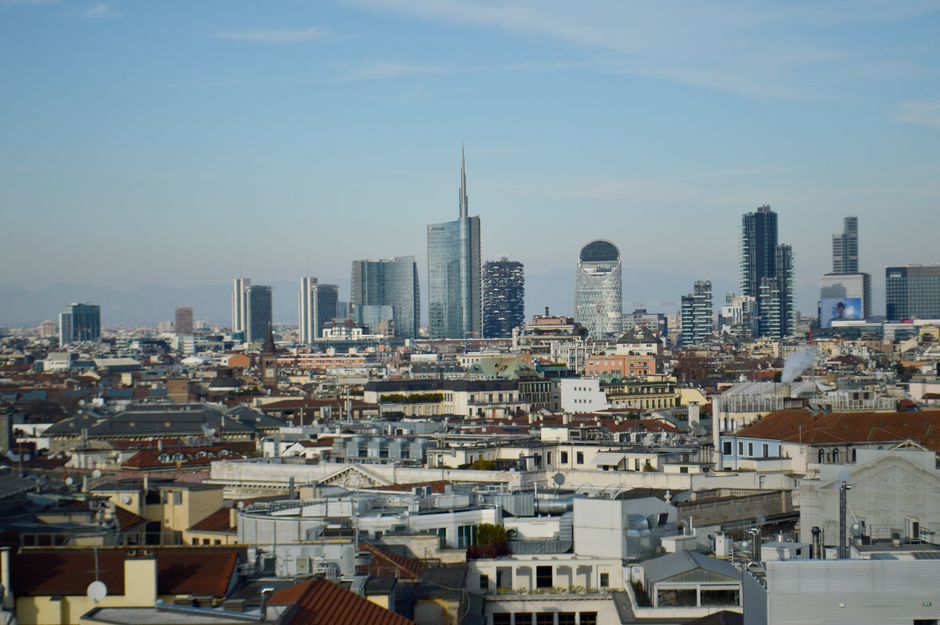
Walk through Porta Romana on any weekday morning and you'll see them: young professionals clutching espressos, heading into converted warehouses and sleek office suites. Milan's coworking boom has transformed the work landscape, with spaces like those clustered around Via Torino and Navigli now hosting thousands of remote workers. But beneath the polished surfaces and high-speed wifi lies a murkier reality that the city's tech community is only beginning to confront.
The numbers seem compelling. Milan's coworking market has grown 45% since 2024, according to local real estate analysts, with day-pass rates ranging from €20 to €45 and monthly memberships between €250 and €600. For freelancers and small startups, these spaces promise community, infrastructure, and escape from home isolation. Yet this flexibility comes with uncomfortable questions about surveillance, equity, and the erosion of traditional worker protections.
Consider monitoring. Many coworking operators now employ sophisticated tracking systems—keystroke monitoring, activity logs, even facial recognition at entry points—ostensibly for security and billing purposes. This data collection happens in a gray zone where Italian labor law hasn't caught up. Workers in Brera's trendy converted lofts often don't know what's being recorded or who can access it. A 28-year-old developer working across three different spaces told The Daily Milan she discovered her company was purchasing detailed activity reports from one coworking provider, information she'd never explicitly consented to share.
Then there's the equity problem. While Milan's wealthy neighbourhoods—Navigli, Brera, Porta Romana—cluster premium coworking spaces, peripheral areas like Quarto Oggiaro remain underserved. This creates a geography of opportunity: who gets access to professional networks, high-speed infrastructure, and collaborative spaces increasingly depends on where you can afford to work. It's a form of digital segregation.
The pandemic normalized remote work as liberation. But the coworking model has quietly shifted power dynamics. Traditional employment contracts guaranteed certain protections; the flexibility economy treats workers as independent agents navigating a marketplace where they're often outmatched. Absence of sick leave, pension contributions, or unemployment insurance isn't offset by the Instagram-worthy aesthetic of exposed brick and standing desks.
Milan's tech community—known for innovation and pragmatism—must now innovate around ethics. Transparent data policies, affordable options in underserved districts, and collective advocacy for stronger freelancer protections aren't nice-to-haves. They're prerequisites for a work future that actually delivers on its promises rather than simply repackaging old power imbalances in modern packaging.
This article was compiled by AI from the sources linked above and screened before publishing. See our editorial standards.
How does this story make you feel?
Spread the word
About this article
Published by The Daily Milan
Daily brief
Free, in your inbox before 7am. Weekdays.
More in tech