Why Milan's Fintech Ecosystem Punches Above Its Weight on the Global Stage
From fashion-forward design thinking to cross-border payment networks, Milan's tech scene has carved out a uniquely European advantage in financial innovation.
From fashion-forward design thinking to cross-border payment networks, Milan's tech scene has carved out a uniquely European advantage in financial innovation.
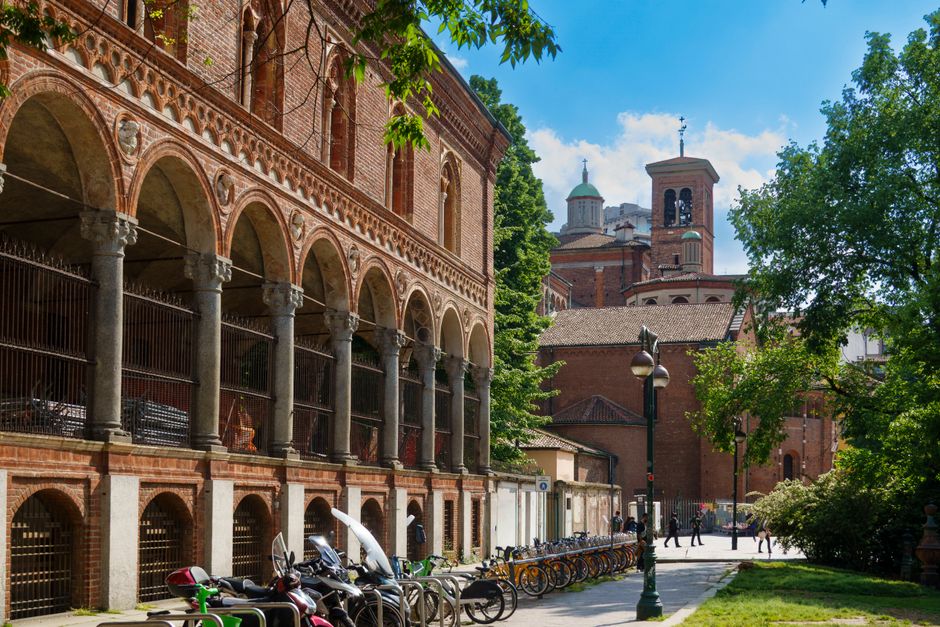
Walk through the Navigli district on any given evening, and you'll spot them: clusters of young founders hunched over laptops in converted warehouse spaces, sketching out the next generation of European fintech. Milan's financial technology sector has quietly become something the city's venture capitalists and tech entrepreneurs rarely discuss in the same breath as Silicon Valley or London—yet increasingly should.
The numbers tell part of the story. Milan attracted €1.2 billion in fintech venture funding across 2024-2025, according to recent analysis by local investment firms, with over 340 registered fintech startups now operating across the metropolitan area. But raw capital flow misses what actually makes this ecosystem distinctive.
Unlike tech hubs built primarily on software engineering prowess, Milan's fintech advantage stems from an unexpected alchemy: the convergence of design sensibility, fashion-industry experience, and proximity to European regulatory infrastructure. Firms clustered around the Brera and Porta Volta neighbourhoods have developed expertise in user experience that Silicon Valley fintech companies are now actively hiring for. Italian fashion's obsession with tactile elegance translates directly into payment interfaces and digital banking experiences that feel fundamentally different—less utilitarian, more human-centred.
"The city's design heritage isn't decoration," explains the ecosystem informally. Successful Milan-based fintechs like Satispay, which operates across multiple European markets, built their early advantage on interfaces that felt native to European sensibilities rather than imported American patterns. That matters when you're competing for users across 27 countries with wildly different banking traditions.
There's also geography. Milan sits within the eurozone's most densely interconnected financial network, with instant access to regulators in Frankfurt, trading floors in London, and the banking corridors of Switzerland. The city's three major universities—Bocconi, Politecnico, and Statale—feed a consistent pipeline of talent trained specifically in European financial systems and cross-border compliance.
Real estate economics reinforce this. A software engineer's salary in Milan runs roughly 25-30 percent lower than equivalent London positions, while office space in emerging tech neighbourhoods costs a third of what you'd pay in the City. This creates runway that bootstrapped fintechs desperately need.
The challenge ahead is visibility. Milan's fintech success remains undermarketed internationally, overshadowed by Berlin's mythology and London's established dominance. Yet as regulatory fragmentation increases across Europe and American fintechs struggle to adapt to continental market complexity, Milan's particular blend of design thinking, regulatory proximity, and financial infrastructure may represent something increasingly rare: a genuinely distinctive tech advantage that isn't purely replicable elsewhere.
This article was compiled by AI from the sources linked above and screened before publishing. See our editorial standards.
How does this story make you feel?
Spread the word
About this article
Published by The Daily Milan
Daily brief
Free, in your inbox before 7am. Weekdays.
More in tech