Milan's Tech Scene Is Racing to Wire the City—Here's What's Actually Happening Now
From Porta Nuova to Navigli, startups and city officials are piloting smart infrastructure projects that could redefine urban living in Italy's tech capital.
From Porta Nuova to Navigli, startups and city officials are piloting smart infrastructure projects that could redefine urban living in Italy's tech capital.
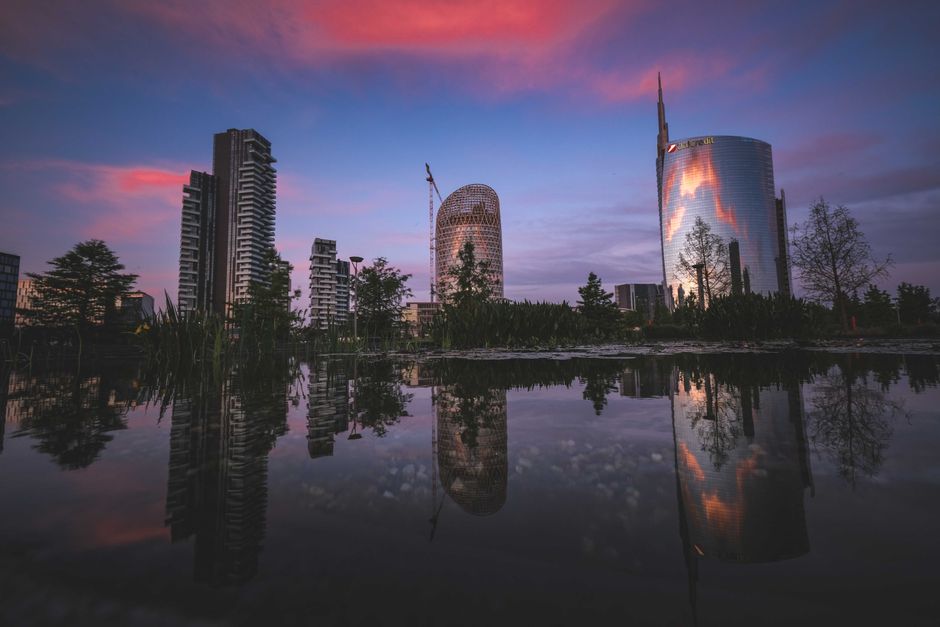
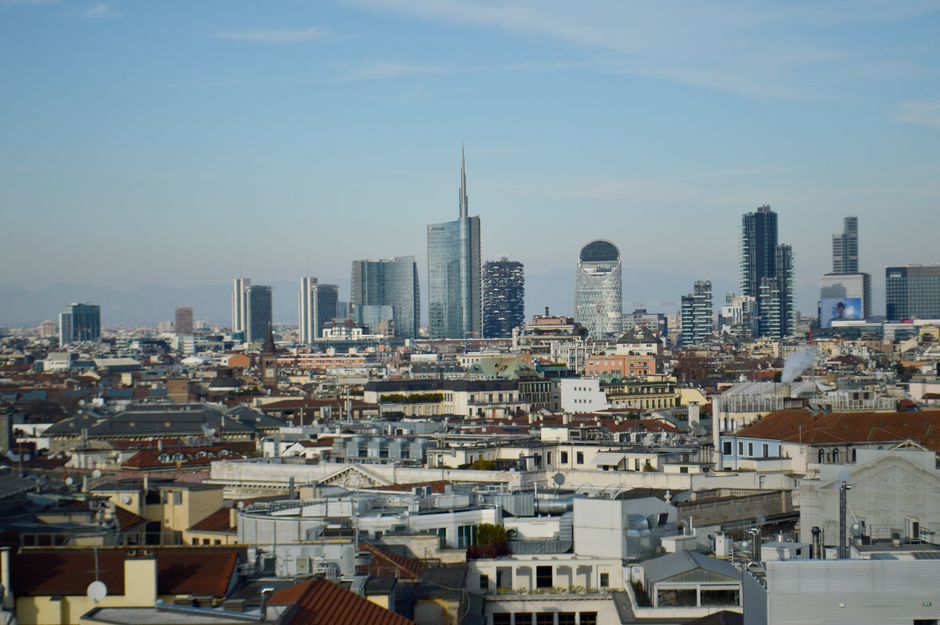
Milan's transformation into a genuinely smart city isn't happening in boardrooms alone. Walk through the Porta Nuova district on any weekday and you'll spot the physical proof: new sensor networks monitoring air quality, pilot autonomous shuttle zones near the Central Station, and a growing cluster of govtech startups working directly with Palazzo Marino to untangle decades of bureaucratic infrastructure.
The momentum has accelerated sharply since early 2025. According to the Milan Chamber of Commerce, smart city and digital governance ventures in the city have attracted €47 million in venture funding across the first half of 2026—a 34 percent jump from last year. That money is flowing into specific, tangible projects rather than vaporware. CityOS platforms designed to integrate waste management, traffic flow, and energy distribution are moving from pilot phases into operational zones across the Isola neighbourhood and parts of Navigli.
What's shifted the needle isn't just funding. It's the willingness of Comune di Milano to open actual municipal data streams and let startups iterate on solutions. The city's new Smart Mobility Lab, housed in a renovated warehouse space near Stazione Centrale, has become a de facto testing ground. Companies like Urbe.ai and a handful of younger firms are building real-time transit prediction systems and adaptive traffic light networks that already serve several Milanese neighbourhoods daily.
The challenge now is scaling without bureaucratic drag. Several founders operating in this space report that regulatory approval timelines haven't kept pace with technology cycles. A typical pilot project still takes eight to twelve months from concept to limited deployment—frustrating when competitors in Copenhagen or Barcelona are moving faster.
Yet the infrastructure investment is visible. The city has committed €180 million through 2030 for digital transformation across municipal services. Alongside European Union smart city funding, that's creating a genuine ecosystem. Co-working spaces in the Lambrate district and around Navigli are packed with teams working on parking solutions, energy optimization, and civic engagement platforms.
For now, Milan remains a work-in-progress rather than a finished smart city showpiece. But the difference between aspirational rhetoric and actual deployment has narrowed considerably. If current trajectories hold, the next 18 months will reveal whether Milan can convert its tech talent and municipal appetite into a genuine model for how European cities operationalize digital transformation at scale.
This article was compiled by AI from the sources linked above and screened before publishing. See our editorial standards.
How does this story make you feel?
Spread the word
About this article
Published by The Daily Milan
Daily brief
Free, in your inbox before 7am. Weekdays.
More in tech