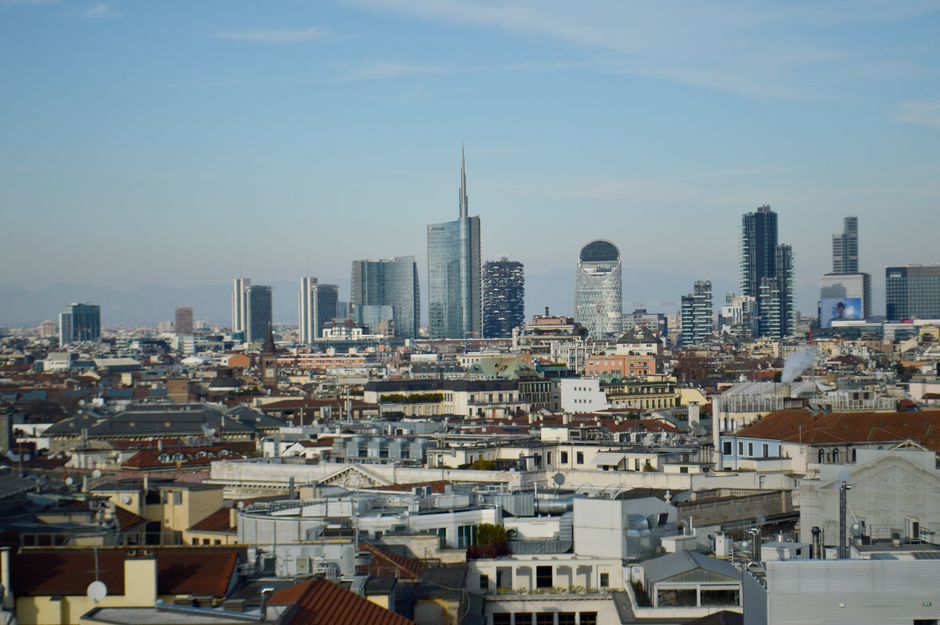
Milan's transformation into a venture capital powerhouse tells a story that extends far beyond headline growth figures. Over the past three years, the city has attracted nearly €2.3 billion in startup funding—more than triple the amount from the previous decade—cementing its position as Italy's undisputed tech capital and Europe's fastest-rising innovation destination.
The shift is visible in the changing geography of the city itself. The Navigli district, once synonymous with aperitivo culture and vintage boutiques, has become synonymous with co-working spaces and pitch events. WeWork's Porta Garibaldi location regularly hosts seed-stage demos, while neighbourhood venues like BASE and Talent Garden have evolved from creative studios into full-service startup ecosystems where founders network with both institutional investors and corporate venture arms from Pirelli to Prada.
What's driving this acceleration? A combination of factors. The post-pandemic remote-work revolution made Milan's quality of life a genuine competitive advantage over Berlin or London. Rent in Brera or Isola remains a fraction of San Francisco's Bay Area, while the city's existing strength in fashion, automotive, and design creates natural entry points for deep-tech and sustainable ventures. The Italian government's startup visa programme and tax incentives for early-stage investors have also played a role, though venture insiders acknowledge they remain modest compared to European peers.
The funding profile is revealing. While seed rounds under €500,000 remain plentiful, Series A and B rounds—the real markers of ecosystem maturity—have grown exponentially. In 2024 alone, Milan-based startups secured fourteen Series A rounds exceeding €3 million each, compared to just five in 2021. Enterprise software, fintech, and climate tech dominate, reflecting both investor appetite and the city's strengths in B2B manufacturing and industrial innovation.
Yet the story isn't purely celebratory. Exit velocity remains a challenge. Few Milan unicorns have achieved sustainable profitability, and many successful founders still decamp to Silicon Valley or London for later-stage rounds. The venture capital infrastructure, while growing, remains concentrated among a handful of mid-sized firms and corporate investors rather than developing the deep bench of later-stage generalists that cities like Amsterdam now boast.
Still, the trajectory is undeniable. When major European venture firms opened Milano offices in 2024 and 2025, it signalled a genuine shift in where innovation capital believes Europe's next wave of builders will emerge. For a city historically defined by design and commerce, that recognition carries weight. The investment story behind Milan's startup boom isn't just about money flowing in—it's about institutional confidence that something genuinely transformative is taking root here.
This article was compiled by AI from the sources linked above and screened before publishing. See our editorial standards.