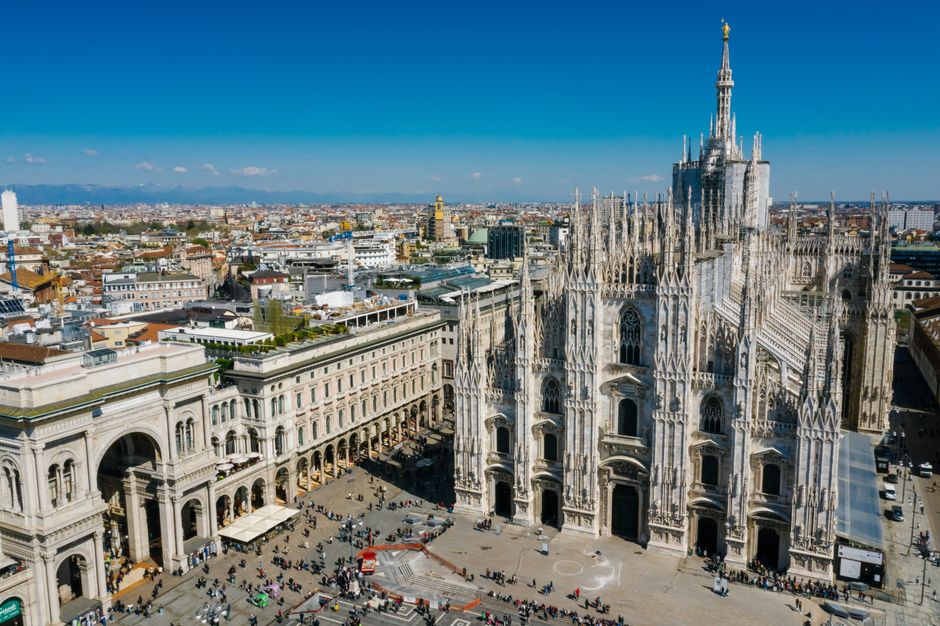
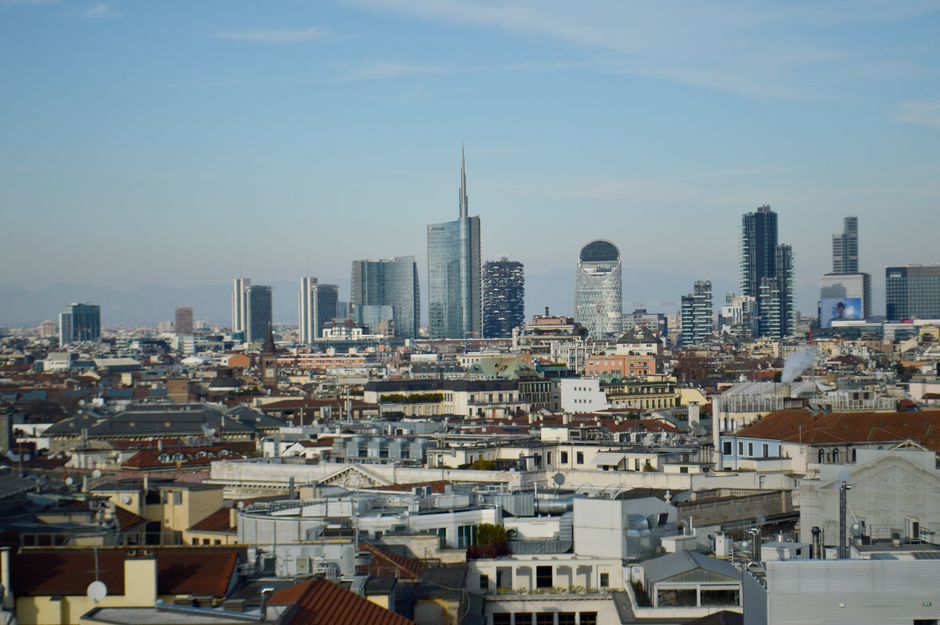
Walking through Porta Nuova on a Tuesday morning, Maria Rossi pulls out her phone to check the latest air quality reading—a service unimaginable just three years ago. Today, Milan's residents can access live pollution data across the city's 121 square kilometres, thanks to a network of 200+ environmental sensors installed since 2023. For Rossi, who suffers from asthma, the real-time alerts mean she can plan her route to the Duomo avoiding the worst-hit areas around Viale Monza or Corso Buenos Aires.
This is Milan's digital transformation in action. The Comune, alongside tech partners including engineering firms and cloud providers, has invested €300 million in smart city infrastructure—a figure that positions Milan among Europe's most digitally ambitious municipal systems. The payoff extends far beyond environmental monitoring.
The parking crisis that once defined commutes across Brera and Sant'Ambrogio has dramatically eased. The city's 8,000 smart parking sensors now guide drivers to free spaces in real-time via the MilanoParking app, slashing search time by an average of 14 minutes. Monthly parking permits, once €80-120, are now dynamic, dropping to €45 during low-demand periods—a feature that has quietly redistributed traffic patterns and reduced congestion by 8% since launch.
Public transport integration tells a similar story. The unified mobility platform, launched citywide in 2024, consolidates metro, tram, bus, and bike-sharing into one ticketing system. A monthly pass costs €35, down from the fragmented €45-60 residents previously paid across multiple systems. Real-time vehicle tracking—accurate to 30 seconds—has transformed the anxiety of waiting at Stazione Centrale or Lambrate into manageable predictability.
Yet the transformation cuts deeper than convenience metrics. The Navigli neighbourhood's smart waste system has cut collection times by 40%, reducing the truck traffic that once clogged weekend mornings. Elderly residents in outer districts like Quarto Oggiaro now use a unified digital platform to request municipal services—from pothole repairs to social care—with average response times dropping from 12 days to 3.
Not everyone celebrates the shift unconritically. Privacy advocates note that the 50,000 CCTV cameras integrated into the system operate under scrutiny protocols still debated in city council. Data security breaches affecting the transport app in early 2025 rattled confidence temporarily, though officials insist vulnerabilities have been patched.
Still, for most Milanese navigating daily life, the changes are undeniably material. The smart city isn't a distant vision anymore—it's the app on your phone, the sensor guiding your commute, and the responsive city hall that finally seems to listen.
This article was compiled by AI from the sources linked above and screened before publishing. See our editorial standards.