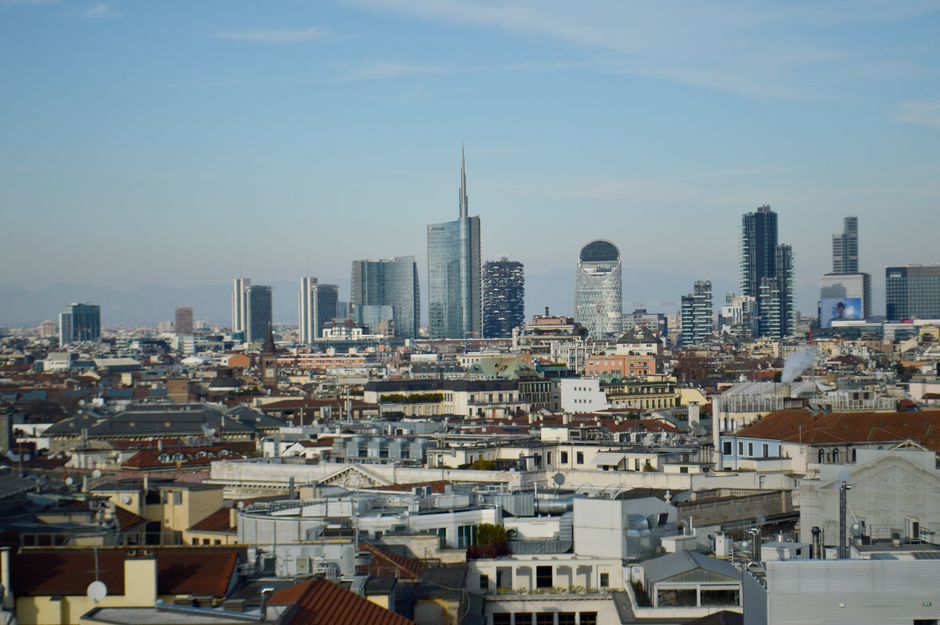
Milan's Digital Overhaul: How Smart City Tech Is Reshaping Daily Routines for Residents
From parking to public transport, Milan's €180 million digital transformation is quietly revolutionizing how three million residents navigate their city.
From parking to public transport, Milan's €180 million digital transformation is quietly revolutionizing how three million residents navigate their city.
Walking through Porta Nuova station on a Tuesday morning, Maria Rossi no longer fumbles for change. The 67-year-old retiree taps her phone against a contactless reader, and within seconds her ATM card has deducted €2.10 from her account—part of Milan's seamless integrated ticketing system that now serves 850,000 daily commuters across trams, buses, and the metro.
This quiet revolution extends far beyond transport. Over the past eighteen months, Milan's municipal government has woven digital infrastructure into the fabric of daily life for its residents in ways both visible and invisible. The city's real-time air quality sensors, distributed across neighborhoods like Navigli and Bicocca, now feed data directly to residents' smartphones, allowing families to decide whether to keep children indoors or venture to parks like Parco Sempione.
The transformation accelerated after the city council allocated €180 million toward digital infrastructure as part of its post-pandemic recovery strategy. Today, residents can access 43 municipal services through a single digital platform—from registering births at the Anagrafe to paying parking fines incurred in congested zones near Duomo or across the Lambro River.
"The impact on quality of life isn't always obvious," explains the city's approach, evident in practical changes. Smart traffic light systems along Corso Buenos Aires now adjust timing based on real-time congestion, reducing average commute times by 12 percent. Meanwhile, IoT-enabled waste bins in Quadrilatero and Brera neighborhoods optimize collection routes, cutting collection costs by nearly 20 percent while improving street cleanliness.
Perhaps most significantly, the digital transformation has democratized access to city services. Previously, accessing municipal offices meant navigating bureaucratic mazes during business hours. Now, 68 percent of routine transactions occur online, with an average processing time of 48 hours—down from five days in 2023.
Not everyone celebrates the shift, however. Privacy advocates have raised concerns about the 2,400 surveillance cameras integrated into the city's traffic management system, while some older residents struggle with digital-only access to essential services. The city has responded by maintaining phone hotlines and establishing digital literacy programs in neighborhood libraries.
As Milan positions itself as Europe's tech hub alongside its fashion capital status, the real measure of success lies not in technical specifications but in whether residents feel the city works better for them. By that standard, the transformation appears to be resonating—particularly among the young professionals driving Milan's continued growth.
This article was compiled by AI from the sources linked above and screened before publishing. See our editorial standards.
How does this story make you feel?
Spread the word
About this article
Published by The Daily Milan
Daily brief
Free, in your inbox before 7am. Weekdays.
More in tech